Trucking Company Insurance Policies - What Denver Victims Should Know
Commercial trucking insurance works nothing like a standard auto policy. Federal law requires carriers to carry far more coverage than the average Colorado driver, and the gap between minimum limits matters enormously when a 40-ton rig collides with a passenger vehicle on I-70 or C-470.

Why Trucking Company Insurance Coverage Denver Accident Cases Involve Is Different
The Federal Motor Carrier Safety Administration sets minimum liability limits at $750,000 for general freight carriers, rising to $5,000,000 for hazardous materials. Those figures dwarf Colorado's standard auto minimum of $25,000 per person and $50,000 per accident. Higher policy limits mean more money is theoretically available, but it also means a sophisticated legal and insurance team is working against you from the moment a crash is reported.
Trucking companies often retain specialized third-party administrators who begin gathering evidence within hours of a serious accident. Drivers are sometimes coached on what to say. The carrier's goal is to limit exposure before you have even spoken with a lawyer.
The Layers of Coverage That Can Apply to Your Claim
A serious truck accident claim rarely involves a single insurance policy. Multiple overlapping policies can apply depending on the relationship between the carrier, the driver, and the freight shipper.
Primary Liability
The carrier's primary commercial auto liability policy is the first and largest source of compensation. For general freight, the FMCSA floor is $750,000. Many large national carriers carry $1,000,000 or more. This policy covers bodily injury and property damage caused by the driver's negligence.
Cargo Insurance
Cargo policies cover damage to the goods being hauled, not your injuries. However, when hazardous cargo contributes to a crash or a fire, the presence of that cargo can push minimum required coverage to $5,000,000, which changes the entire financial picture of your claim.
Excess and Umbrella Policies
Large trucking companies typically layer excess liability policies on top of primary coverage. A carrier might carry $1,000,000 primary and $4,000,000 excess. Reaching excess limits requires demonstrating that the primary policy is insufficient, which is a common situation in catastrophic injury cases.
Owner-Operator Arrangements
Many trucks operating in the Denver market are driven by independent owner-operators leased to a larger carrier. This arrangement creates genuine complexity. The owner-operator may carry their own policy, the carrier may be required to extend its policy to leased drivers under FMCSA regulations, and both policies can come into play. Identifying which entity is responsible for the truck's operation at the time of the crash is a critical early step.
How Settlement Amounts Reflect These Policies
Truck accident settlements for serious injuries in the Denver market typically range from $250,000 to $1,000,000 or more. That range reflects the realistic interplay between injury severity, available insurance, and liability evidence. Cases involving permanent disability, traumatic brain injury, or fatalities often exceed those figures when excess coverage is available.
By comparison, standard car accident settlements for moderate injuries run $15,000–$75,000. The difference is not just severity. It reflects the deeper insurance pool that commercial carriers are legally required to maintain.

Colorado's Comparative Fault Rule and How It Affects Your Recovery
Colorado follows modified comparative negligence with a 50% bar, governed by C.R.S. § 13-21-111. If you are found less than 50% at fault for the crash, your compensation is reduced by your share of fault. If you are found 50% or more at fault, you recover nothing.
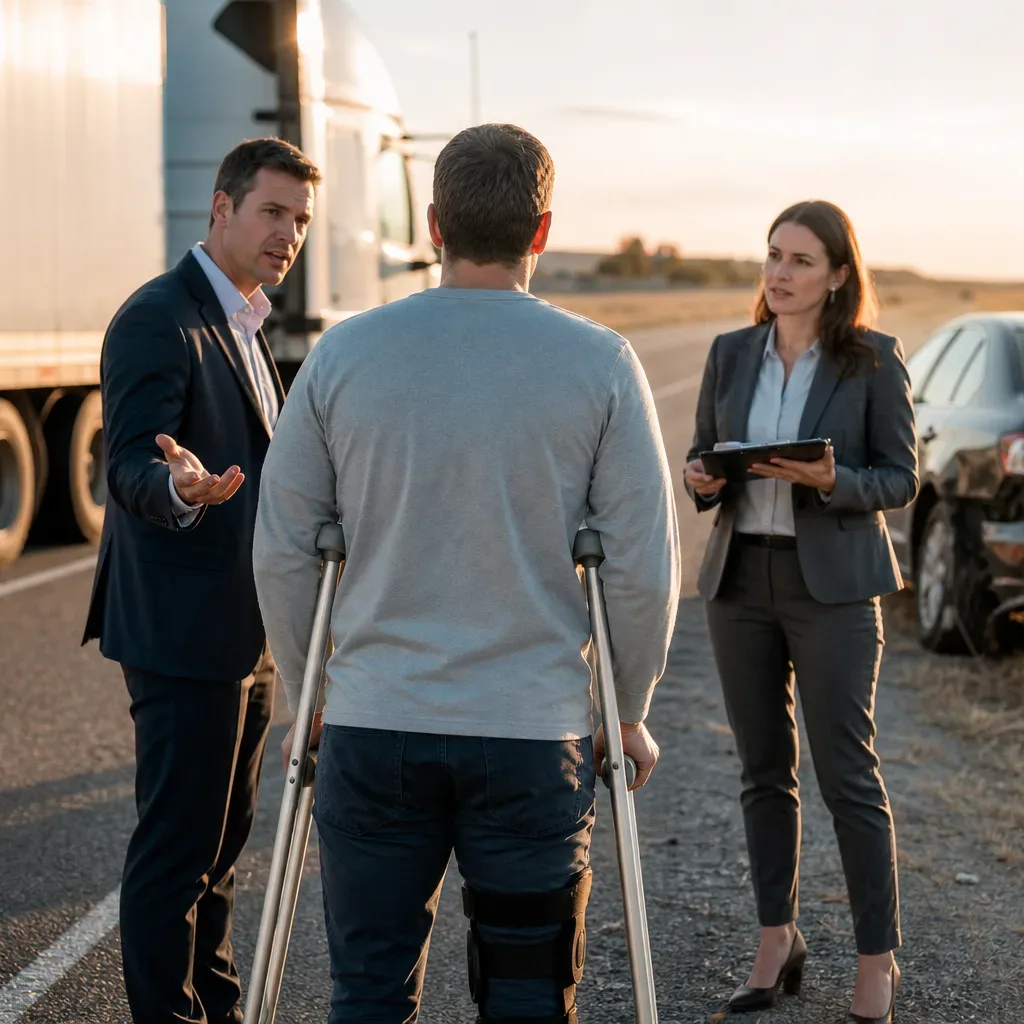
Trucking company insurers routinely argue that a victim contributed to the accident, for example by following too closely, traveling at an unsafe speed, or failing to yield. Even modest fault attribution can reduce a $500,000 award by tens of thousands of dollars. Anticipating this argument and gathering evidence that counters it is a major part of effective case preparation.
What Evidence Matters Most in a Trucking Insurance Claim
Truck accident cases are evidence-intensive in ways that car accident cases often are not. Federal regulations require carriers to retain certain records, and accessing them quickly is critical.
Electronic Logging Devices
Federal law requires most commercial drivers to use electronic logging devices that record hours of service automatically. These records can show whether a driver was fatigued or in violation of maximum driving hour limits at the time of your crash.
Black Box Data
Most commercial trucks carry an event data recorder that captures vehicle speed, brake application, throttle position, and other data in the seconds before a collision. This data can be overwritten or lost. A legal hold letter sent to the carrier immediately after the accident preserves the obligation to retain it.
Driver Qualification Files
Carriers must maintain records of each driver's commercial license history, drug and alcohol testing results, and prior accident history. If a driver had a record of violations or prior crashes and the carrier kept them on the road, that can support a negligent hiring or retention claim.
Maintenance Records
Brake failures, tire blowouts, and defective lights contribute to crashes throughout the Denver metro area and on Colorado mountain corridors. Maintenance logs can reveal whether a carrier ignored known defects.
Colorado's Statute of Limitations for Truck Accident Claims
Two years. Under C.R.S. § 13-80-102, you have two years from the date of your injury to file a personal injury lawsuit in Colorado. Wrongful death claims also carry a two-year limit running from the date of death. Missing that deadline eliminates your right to recover, regardless of how strong your case is.
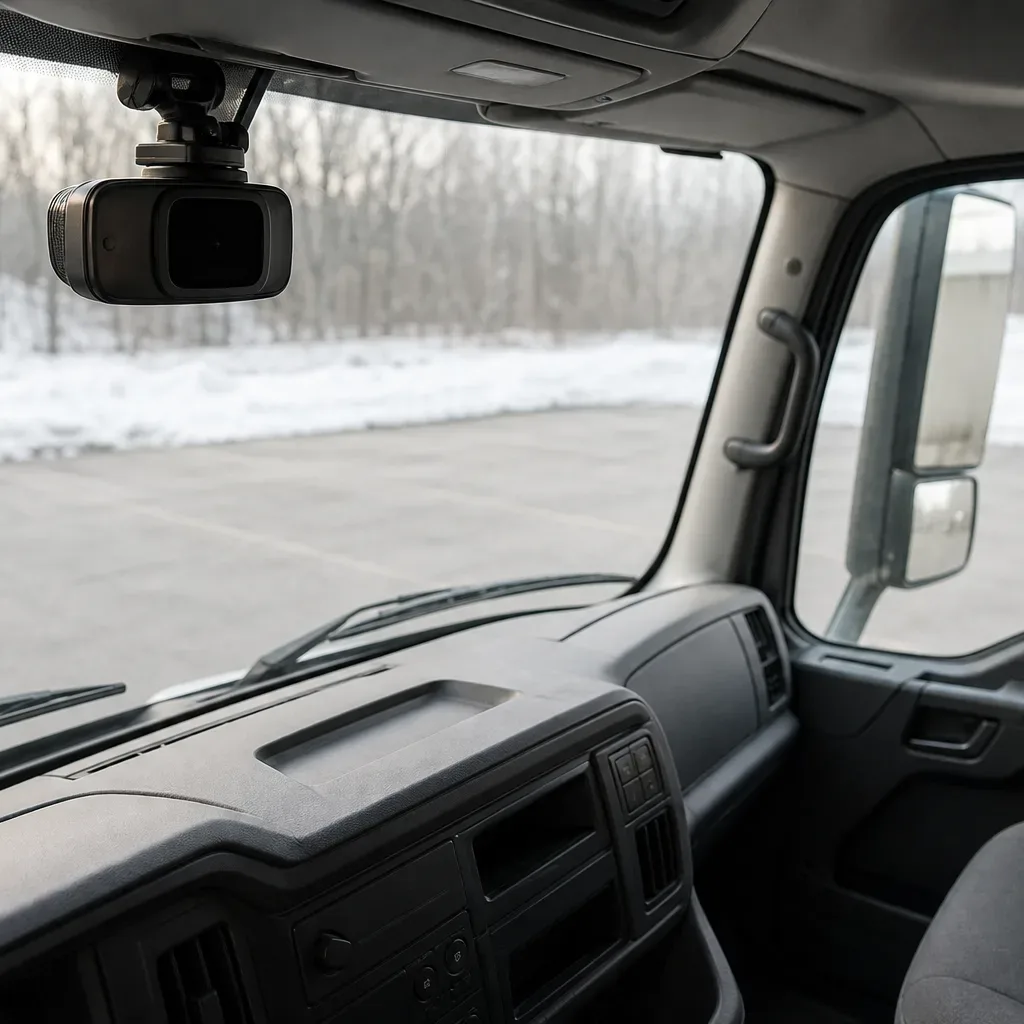
Two years sounds like plenty of time, but evidence disappears fast in trucking cases. Dash cam footage is typically overwritten within 30–60 days. Driver logs may be retained only as long as federal minimums require. Acting early preserves options that waiting destroys.

What Trucking Insurance Companies Do After a Crash
Within hours of a serious accident, a carrier's response team is typically working the scene or reviewing reports. Adjusters may contact injured victims directly, sometimes offering quick settlements before the full extent of injuries is known. Accepting an early offer almost always means signing a release that closes the claim permanently.
These early settlement offers are calibrated to resolve claims cheaply, not fairly. A soft-tissue injury that appears minor in the first week can involve herniated discs confirmed by MRI weeks later. Settling before diagnosis is complete transfers the financial risk of future medical costs entirely to the victim.
Attorneys and Contingency Fees in Trucking Cases
Denver personal injury lawyers who handle truck accident cases work on contingency, meaning no fee is charged unless compensation is recovered. Standard rates run 33%–40% of the settlement or verdict, with the percentage rising if the case proceeds to trial. The structure means legal representation is accessible to injured people regardless of their financial situation at the time of the crash.
Given the resources that trucking carriers deploy from the start, having experienced legal representation in place early significantly affects how the claim develops. Most Denver personal injury lawyers respond to new inquiries within 24 hours.

Frequently Asked Questions
How Much Insurance Must a Trucking Company Carry in Colorado?
Federal FMCSA rules require commercial trucking carriers to carry a minimum of $750,000 in liability coverage for general freight. That figure rises to $5,000,000 when hazardous materials are involved. Many large carriers voluntarily carry $1,000,000 or more in primary coverage, plus additional excess or umbrella policies on top.
Can I Sue the Trucking Company Directly, or Only the Driver?
In most Denver truck accident cases, you can pursue claims against both the driver and the trucking company. Carriers are often liable under the legal doctrine of respondeat superior when a driver acts within the scope of employment. Negligent hiring, training, or supervision can also create direct claims against the company itself.
What Is the Deadline to File a Truck Accident Claim in Colorado?
Colorado's statute of limitations for personal injury claims is two years from the date of injury under C.R.S. § 13-80-102. Wrongful death claims follow the same two-year window, running from the date of death. Missing this deadline bars any recovery, regardless of how clearly the truck driver was at fault.
How Does Colorado's Comparative Fault Rule Affect a Truck Accident Settlement?
Colorado uses modified comparative negligence with a 50% bar under C.R.S. § 13-21-111. If you are found less than 50% at fault, your compensation is reduced proportionally by your share of fault. If a court finds you 50% or more responsible, you recover nothing. Trucking insurers frequently raise comparative fault arguments to reduce payouts.
What Is a Typical Settlement Amount for a Serious Truck Accident in Denver?
Serious truck accident settlements in the Denver market typically range from $250,000 to $1,000,000 or more, depending on injury severity, available insurance coverage, and liability evidence. Cases involving catastrophic injuries, permanent disability, or fatalities often exceed those figures when excess policies are accessible. Each case is different, and individual outcomes depend on the specific facts.