Proving Negligence in a Denver Slip and Fall Case
A wet floor with no warning sign, a broken stair rail, a patch of black ice on a parking lot that the owner knew about and ignored: these are the situations that produce serious injuries in Denver every year. Winning compensation after a fall depends on proving the property owner was negligent, and that requires more than pointing to a hazard. You must show specific legal elements, each supported by concrete evidence.
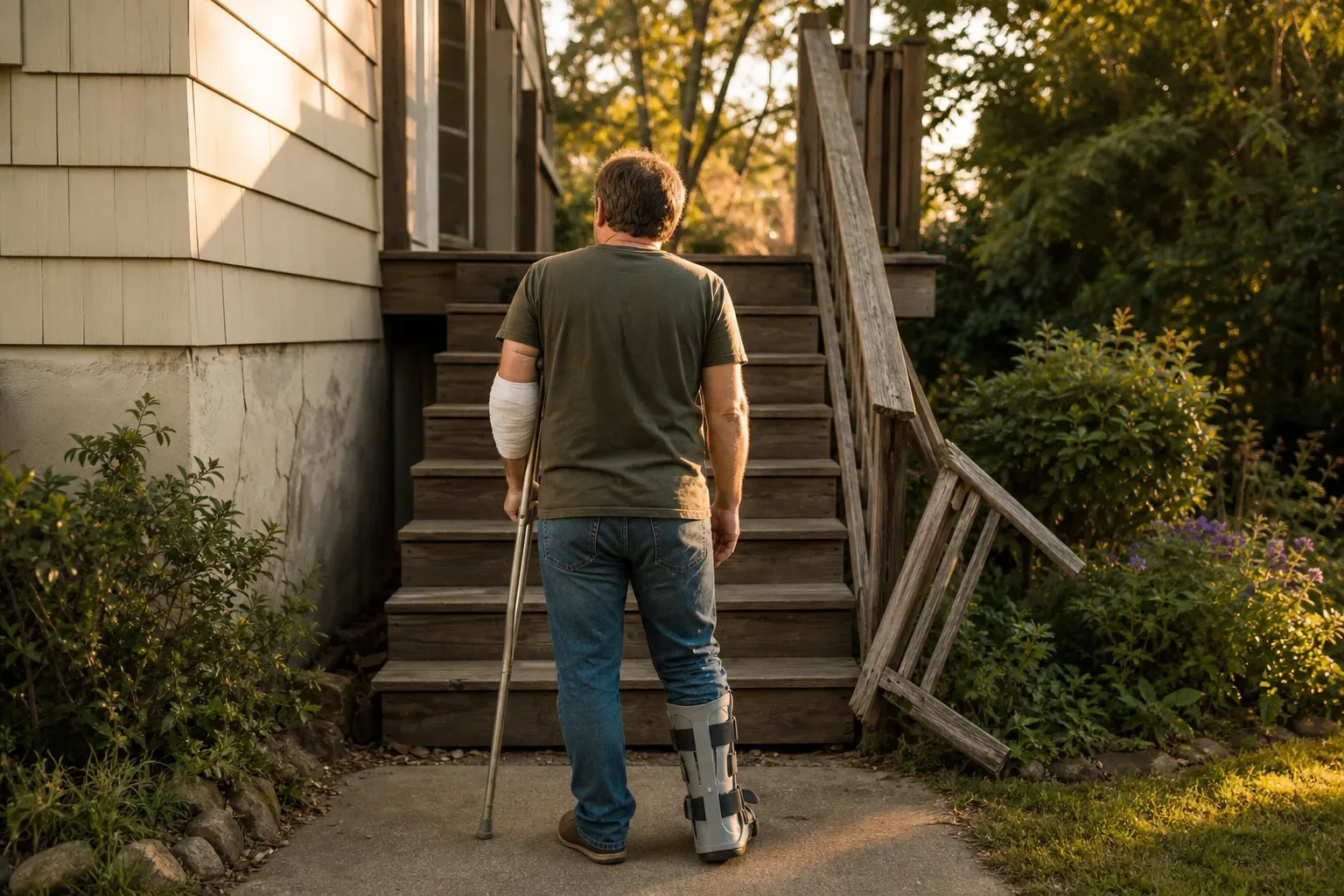
What Negligence Actually Means in a Slip and Fall Case
Negligence is not simply that you fell and got hurt. It means the property owner failed to meet the standard of care owed to you under Colorado law, and that failure caused your injury.
Colorado's premises liability statute, C.R.S. § 13-21-115, sets the duty based on your status when entering the property. Invitees, such as retail customers or restaurant guests, receive the highest duty of care. Licensees, like social guests, receive a lower duty. Trespassers receive minimal protection.
Most injury claims in commercial settings involve invitee status, which requires the landowner to actively inspect for and repair dangerous conditions.


The Four Elements You Must Prove
To succeed, you need to establish all four of the following.
The Owner Had a Duty of Care
This element is usually straightforward. A grocery store owes a duty to shoppers. A Denver apartment complex owes a duty to tenants and their visitors. The legal relationship between you and the property owner determines the scope of that duty.
The Owner Breached That Duty
Breach is where most cases are won or lost. You must show the owner knew about the hazard, or should have known about it, and failed to fix it or warn you in a reasonable time. A spill that sat unattended for two hours is different from one that occurred two minutes before you fell.
Documentation matters here. Maintenance logs, employee shift records, and prior incident reports can reveal how the owner managed the property. If a defect has existed for weeks, written records often show it.
The Breach Caused Your Injury
You must connect the hazard directly to the harm. If you twisted your ankle on a loose tile, medical records linking the mechanism of injury to the tile's condition strengthen that connection. Gaps in this chain give the defense room to argue your injury had another cause.
You Suffered Actual Damages
Damages include medical bills, lost wages, reduced earning capacity, and pain and suffering. Without documented losses, there is nothing to compensate. Keep every receipt, every treatment record, and every communication from your employer about missed work.

Evidence That Supports a Denver Slip and Fall Claim
Strong evidence makes each element harder to dispute. Gather as much of the following as possible, starting immediately after the incident.
Surveillance Footage
Many Denver businesses and properties have cameras. Footage can show how long a hazard existed before you fell and whether any employee walked past it. Request preservation of video in writing the same day if possible. Businesses routinely overwrite footage on short cycles, sometimes within 24–72 hours.
Incident Reports
Ask the manager to file an official incident report and get a copy before you leave. This creates a timestamped record that the fall happened and pins the location and conditions in writing.
Photographs and Video from the Scene
Use your phone immediately. Photograph the hazard from multiple angles, any warning signs that were absent, your footwear, and any visible injuries. Return to the scene within days to document conditions if it is safe and practical.
Witness Statements
Bystanders who saw the hazard or the fall can corroborate your account. Names, phone numbers, and brief written notes taken at the scene are valuable. Memory fades quickly, and witness cooperation tends to drop off over time.
Medical Records
Seek treatment the same day, even if your pain seems manageable. Delayed treatment creates a gap the defense will exploit, arguing the injury was not serious or was caused by something else. Consistent treatment throughout recovery also documents the ongoing impact of the injury.
How Colorado's Comparative Fault Rule Affects Your Claim
Colorado follows a modified comparative negligence rule under C.R.S. § 13-21-111. If you are found partially at fault for your fall, your recovery is reduced by your percentage of fault. However, if you are found 50% or more at fault, you are barred from recovering anything.
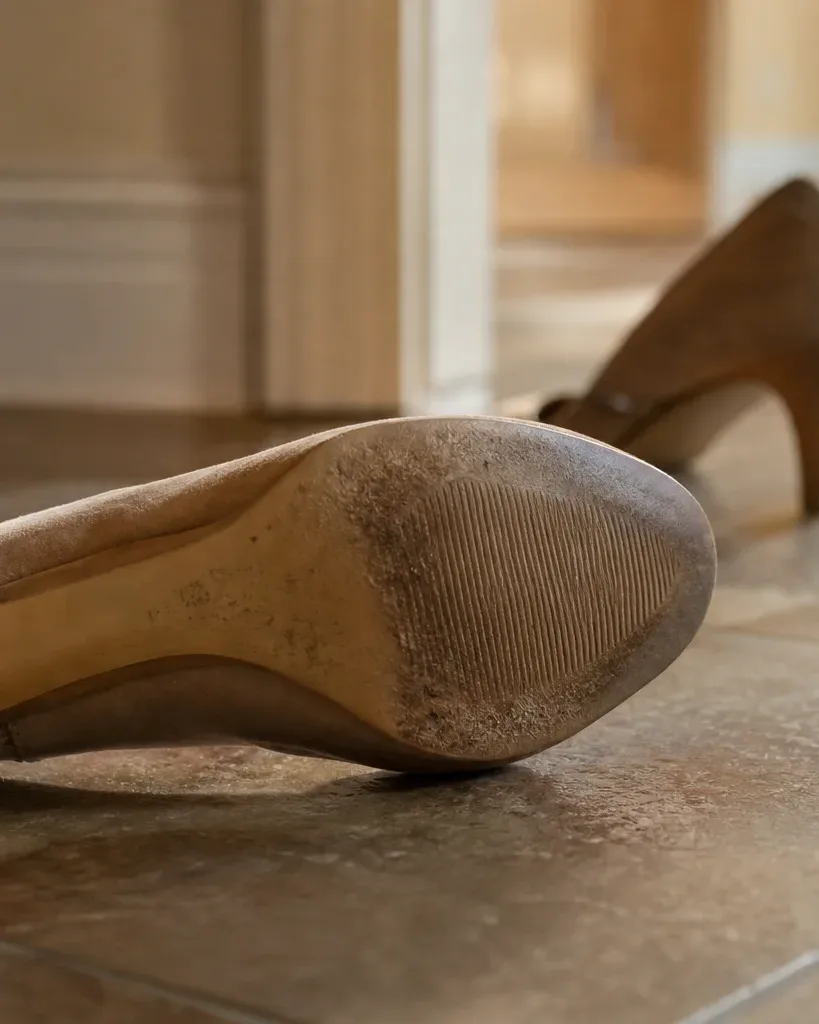
Defense teams in Denver often argue that a plaintiff was distracted by a phone, ignored a visible warning sign, or wore inappropriate footwear. These arguments are designed to push your fault percentage high enough to reduce or eliminate your award. Thorough evidence collection directly counters these claims by showing the hazard was the primary cause.
Typical Settlement Ranges for Denver Slip and Fall Cases
Settlements in Denver slip and fall cases typically range from $30,000 to $150,000, depending on how clearly liability is established and how severe the injuries are. Fractures, spinal injuries, and head trauma push values higher. Cases where liability is disputed or contributory fault is a factor often settle at the lower end.
The strength of your evidence directly influences where your case lands in that range. A claim backed by surveillance footage, an incident report, immediate medical treatment, and witness statements is far harder to underpay than one built on memory alone.
How Colorado's Statute of Limitations Applies
Colorado gives injured people two years from the date of injury to file a personal injury lawsuit under C.R.S. § 13-80-102. Missing that deadline almost always ends your ability to recover compensation, regardless of how strong your evidence is.
Two years sounds like a long time, but evidence degrades fast. Surveillance footage disappears within days. Witnesses relocate. Conditions on the property get repaired, which can actually eliminate physical proof of the hazard.
Starting the process early protects both your evidence and your legal options.
Working with a Denver Slip and Fall Attorney
A Denver slip and fall attorney investigates the claim, preserves evidence, and handles negotiations with the property owner's insurer on your behalf. Most personal injury lawyers in Denver work on contingency, meaning you pay nothing unless they recover compensation for you. Fees typically range from 33% to 40% of the settlement or verdict, and nothing is owed if the case does not succeed.
An attorney can send a formal evidence preservation letter within hours of being retained, which creates legal accountability if footage or records are later destroyed. They can also hire investigators, obtain maintenance records through discovery, and consult experts to reconstruct the conditions that caused your fall. For claims involving disputed liability or serious injuries, professional representation significantly affects the outcome.

Frequently Asked Questions
How Do I Find a Denver Slip and Fall Attorney?
Search for personal injury lawyers in Denver who specifically handle premises liability cases. Most offer free consultations and work on contingency, so you pay nothing unless they recover compensation for you. Look for attorneys who act quickly on evidence preservation, since surveillance footage can disappear within 24–72 hours of an incident.
How to Prove Negligence in a Slip and Fall Case?
You must establish four elements: the property owner owed you a duty of care, they breached that duty by failing to fix or warn about a known hazard, the breach directly caused your injury, and you suffered measurable damages. Evidence such as surveillance footage, incident reports, photographs, witness statements, and immediate medical records supports each element.
What If I Was Partially at Fault for My Slip and Fall in Denver?
Colorado uses a modified comparative negligence rule. Your compensation is reduced by your percentage of fault, but you can still recover as long as you are found less than 50% at fault. If you are found 50% or more at fault, you are barred from recovering anything under C.R.S. § 13-21-111.
How Long Do I Have to File a Slip and Fall Lawsuit in Colorado?
Colorado's statute of limitations for personal injury claims, including slip and fall cases, is two years from the date of the injury under C.R.S. § 13-80-102. Missing this deadline typically eliminates your right to recover compensation, so acting quickly also helps preserve critical evidence.
What Is the Average Slip and Fall Settlement in Denver?
Denver slip and fall settlements typically range from $30,000 to $150,000. The actual amount depends on how clearly the property owner's liability can be established, the severity of your injuries, and whether comparative fault arguments reduce your share. Cases with strong evidence and serious injuries tend to settle at the higher end of that range.