Colorado Fault vs. No-Fault Car Insurance - What Denver Drivers Need to Know
Colorado operates as an at-fault state, meaning the driver who caused the crash is financially responsible for the injuries and property damage that result. This structure shapes how every claim gets filed, who pays, and what your realistic options are after a collision on I-25 or anywhere else in the metro area. Understanding how these rules interact with Colorado's minimum coverage requirements can mean the difference between a fully compensated claim and an unexpected financial shortfall.

What Colorado At-Fault Car Insurance Rules Actually Mean
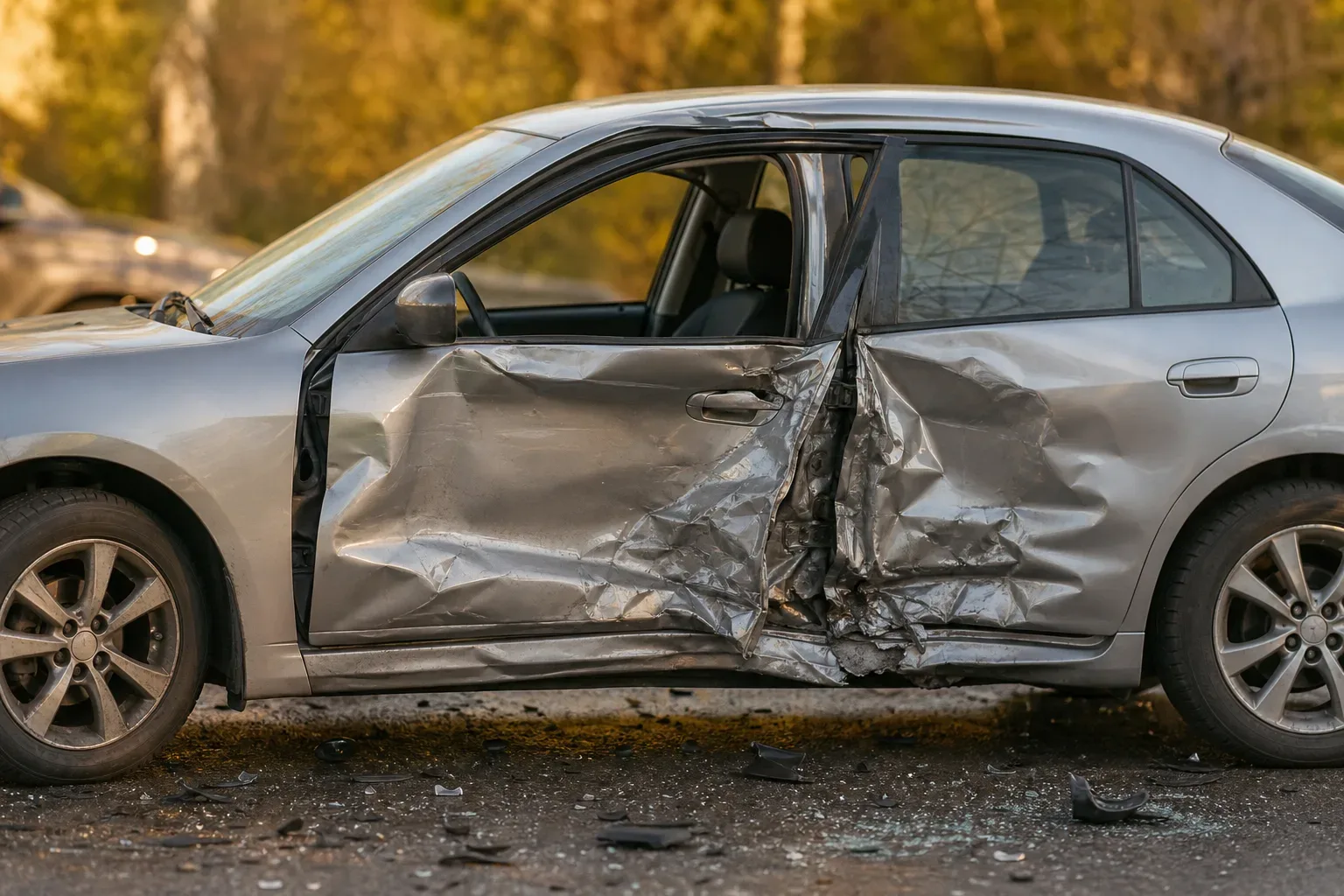
Colorado's at-fault system requires the responsible driver's insurance to cover losses, rather than routing every driver first through their own policy regardless of fault. In a no-fault state, each driver's own personal injury protection pays initial medical bills no matter who caused the crash. Colorado scrapped that model entirely. The injured party pursues the at-fault driver's liability coverage directly, or files a personal injury lawsuit if a settlement cannot be reached.
The practical result is that fault determination carries real weight here. Insurers, adjusters, and lawyers spend considerable time establishing who bears responsibility, because that finding dictates who pays and how much.
Colorado's Required Minimum Coverage
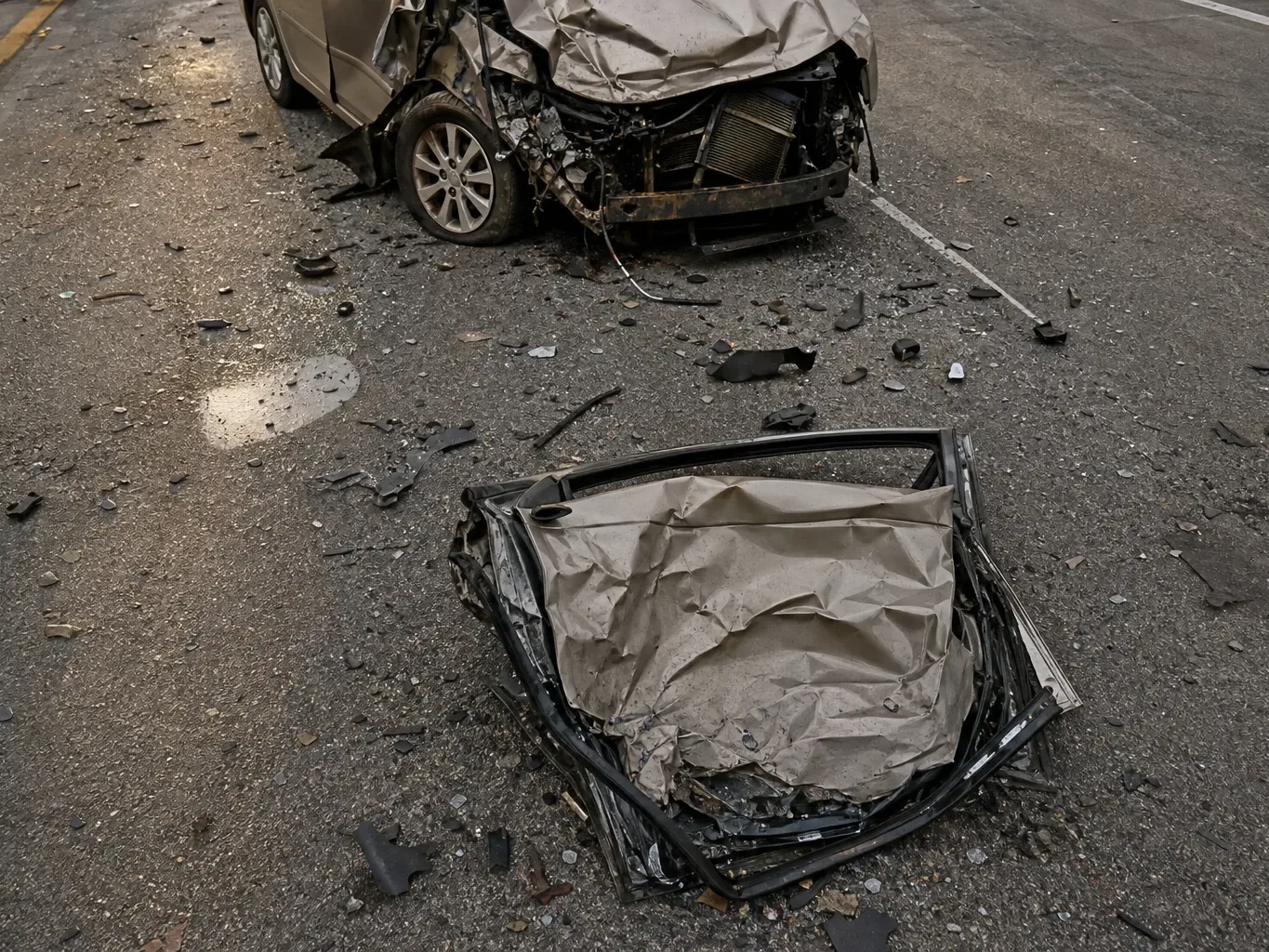
Every driver registered in Colorado must carry at least the state minimum liability coverage: $25,000 per person for bodily injury, $50,000 per accident for bodily injury when multiple people are hurt, and $15,000 per accident for property damage. These figures appear on virtually every Colorado auto policy as 25/50/15 shorthand.
Minimum coverage is a legal floor, not a financial safety net. A serious collision in Denver can generate medical bills well above $25,000 for a single person. Many drivers carry higher limits precisely because their personal assets are exposed if a judgment exceeds what their policy covers.
Why Minimum Limits Leave Gaps
Consider a scenario where an at-fault driver only carries the state minimum. If the injured party's medical costs reach $80,000, that driver's bodily injury coverage tops out at $25,000 per person, leaving a significant shortfall. The injured person can pursue the remaining amount through a personal injury lawsuit against the at-fault driver directly. Collecting is a separate problem if that driver has no significant assets.
Uninsured motorist and underinsured motorist coverage, both optional in Colorado, are designed to close exactly these gaps. They are worth serious consideration when you set your own policy limits.
How Comparative Fault Affects Your Claim
Colorado follows a modified comparative negligence rule with a 50% bar, meaning your compensation is reduced in proportion to your own share of fault, and you collect nothing if you are 50% or more at fault. This rule is codified in C.R.S. § 13-21-111.
If you are found 20% responsible for a crash and your total damages are $50,000, your recovery is reduced to $40,000. The math is straightforward; the fight over the percentages rarely is. Insurers frequently argue that the claimant shares more blame than the evidence warrants, which makes documentation of the scene, witness statements, and police reports critical from the start.
What This Means If You Are Partially at Fault
Partial fault does not automatically disqualify your claim in Colorado. A driver who was speeding slightly but was struck by someone who ran a red light may still carry a small fault percentage without losing the right to recover. The critical line is 50%. At that threshold or above, you are barred from any recovery under Colorado law.
This is one reason why working with a personal injury lawyer early in the process matters. Insurers make fault determinations that directly affect your payout, and those determinations are not always accurate.
Filing a Claim in an At-Fault State
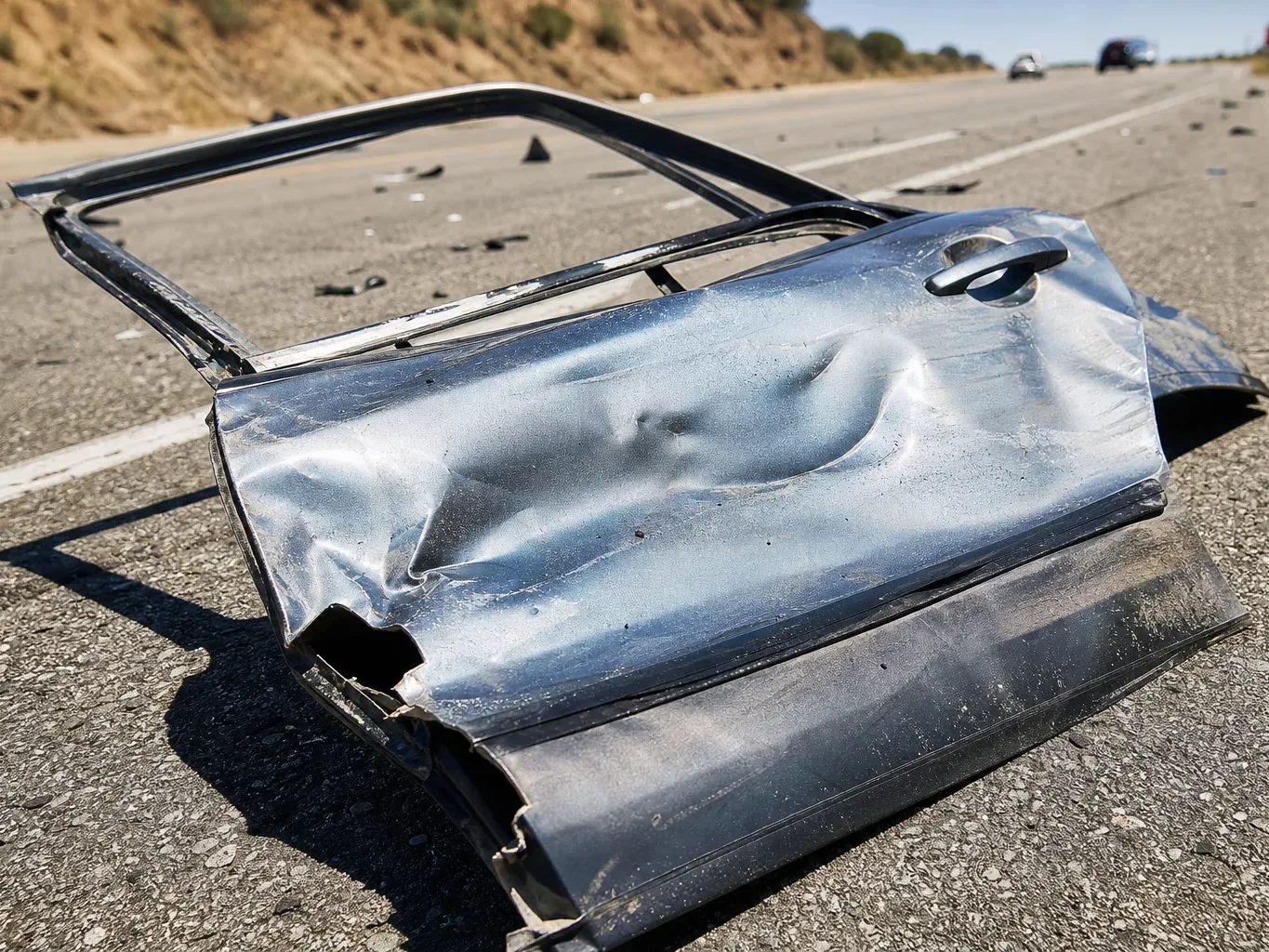
After a collision in Denver, you have three primary routes to pursue compensation. First, you can file a third-party claim directly against the at-fault driver's liability insurer. Second, if you carry collision coverage, you can file with your own insurer and let them pursue the at-fault driver through subrogation. Third, if the other driver is uninsured or underinsured, you may file under your own UM/UIM coverage.
Colorado's statute of limitations for personal injury claims is two years from the date of injury under C.R.S. § 13-80-102. Missing that window forfeits your right to sue, regardless of how strong your case is. Two years sounds generous but investigations, medical treatment timelines, and insurer delays can erode that window faster than most people expect.
Property Damage Claims
Property damage follows the same at-fault logic. The responsible driver's property damage liability coverage pays for repairs or replacement of your vehicle up to the per-accident limit on their policy. If the at-fault driver carries only the state minimum of $15,000 in property damage coverage and your vehicle's repair costs exceed that, your own collision coverage, if you carry it, becomes relevant for the remainder.
Keep thorough records of repair estimates, rental car costs, and any other out-of-pocket expenses tied to the damage. These costs are recoverable but only if you can document them.
Reviewing Your Own Policy Limits
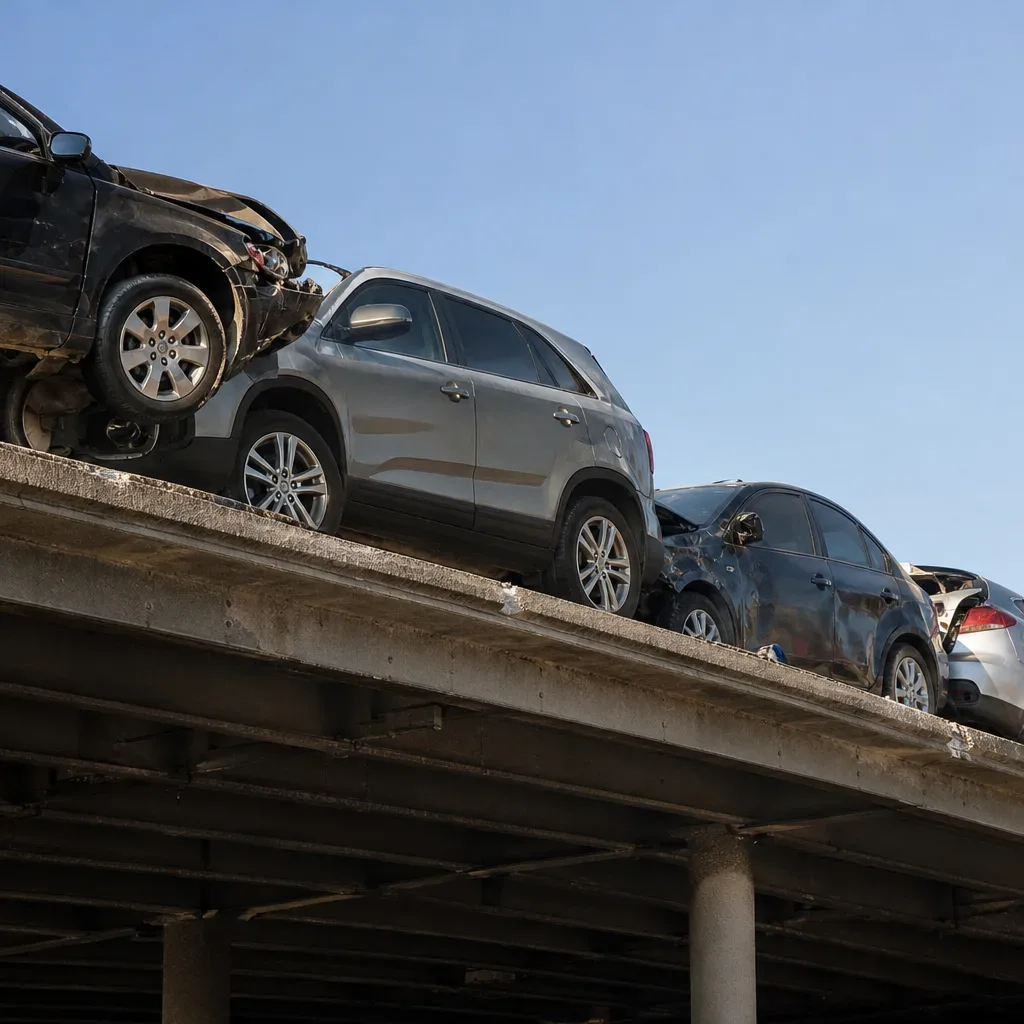
Colorado law sets the floor; your policy can and should go higher if your financial situation warrants it. Bodily injury limits that seem adequate today may fall short if you are involved in a serious multi-vehicle crash. Review your property damage liability carefully as well, especially if you drive in dense Denver traffic where multi-car pileups are not uncommon.
Optional coverages worth examining include: uninsured motorist protection, underinsured motorist protection, medical payments coverage, and collision. None are legally required beyond the 25/50/15 minimum, but each serves a specific purpose in an at-fault state where the other driver's coverage may be inadequate or nonexistent.
When to Contact a Personal Injury Lawyer
Hiring a Denver personal injury lawyer makes the most sense when injuries are serious, fault is disputed, or the other driver's insurer is offering a settlement that does not cover your actual losses. Most personal injury lawyers in Denver work on contingency, meaning no fee unless you recover. Standard contingency fees run 33%–40% of the settlement or verdict, with the percentage sometimes rising if the case goes to trial.
Insurers in an at-fault state are negotiating against their own financial interest, which means low initial offers are common. A lawyer experienced with Colorado at-fault car insurance rules knows how to build a demand that reflects actual medical costs, lost wages, and non-economic damages like pain and suffering. Consultations are typically free, and the 24-hour response time that reputable Denver firms offer means you can get an honest assessment of your claim quickly without committing to anything.
Frequently Asked Questions
Is Colorado a No-fault or At-fault State for Car Insurance?
Colorado is an at-fault state. The driver responsible for a crash must compensate the injured party through their liability insurance, rather than each driver relying on their own personal injury protection regardless of who caused the accident.
What Are the Minimum Car Insurance Requirements in Colorado?
Colorado requires at least $25,000 per person and $50,000 per accident in bodily injury liability, plus $15,000 per accident in property damage liability. These are minimums, and many drivers carry higher limits because serious injuries often exceed these thresholds.
How Does Comparative Fault Work in Colorado Car Accident Claims?
Colorado uses modified comparative negligence with a 50% bar under C.R.S. § 13-21-111. Your compensation is reduced by your percentage of fault, and you recover nothing if you are found 50% or more at fault for the crash.
How Long Do I Have to File a Car Accident Lawsuit in Colorado?
You have two years from the date of injury to file a personal injury lawsuit in Colorado under C.R.S. § 13-80-102. Missing this deadline generally means losing your right to pursue compensation through the courts entirely.
What Does a Denver Personal Injury Lawyer Typically Charge for a Car Accident Case?
Most Denver personal injury lawyers handle car accident cases on a contingency fee basis, charging 33%–40% of the settlement or verdict. If no recovery is made, no fee is owed. The percentage may increase if the case proceeds to trial.