Construction Site Accident Injuries in Denver - Your Legal Rights
Why Construction Sites Are So Dangerous
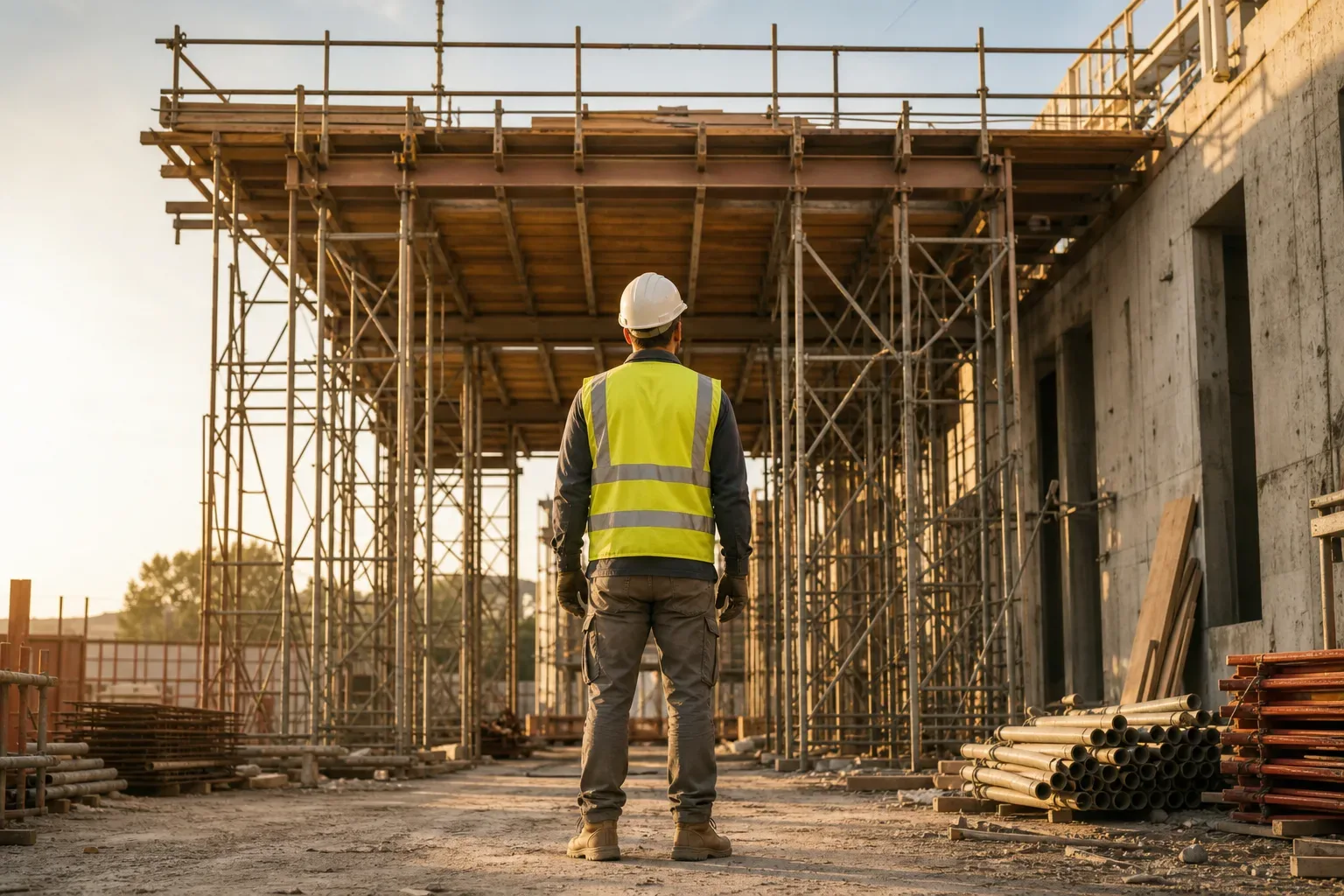
Denver's construction boom has put tens of thousands of workers on active job sites across the metro area, from downtown high-rises to highway expansion projects along I-70. The Occupational Safety and Health Administration consistently ranks construction among the most hazardous industries in the country. Falls from scaffolding, electrocutions, struck-by incidents, and caught-in/between accidents account for the majority of construction fatalities nationwide. In Colorado, where ground crews work year-round through ice and snow, these risks compound significantly.
A single fall from an elevated platform can produce traumatic brain injuries, spinal fractures, or permanent disability. Medical bills for catastrophic injuries can reach hundreds of thousands of dollars before a worker even begins rehabilitation. Understanding who bears legal responsibility for those costs is the first step toward protecting your financial future.
Who Is Legally Responsible After a Construction Accident
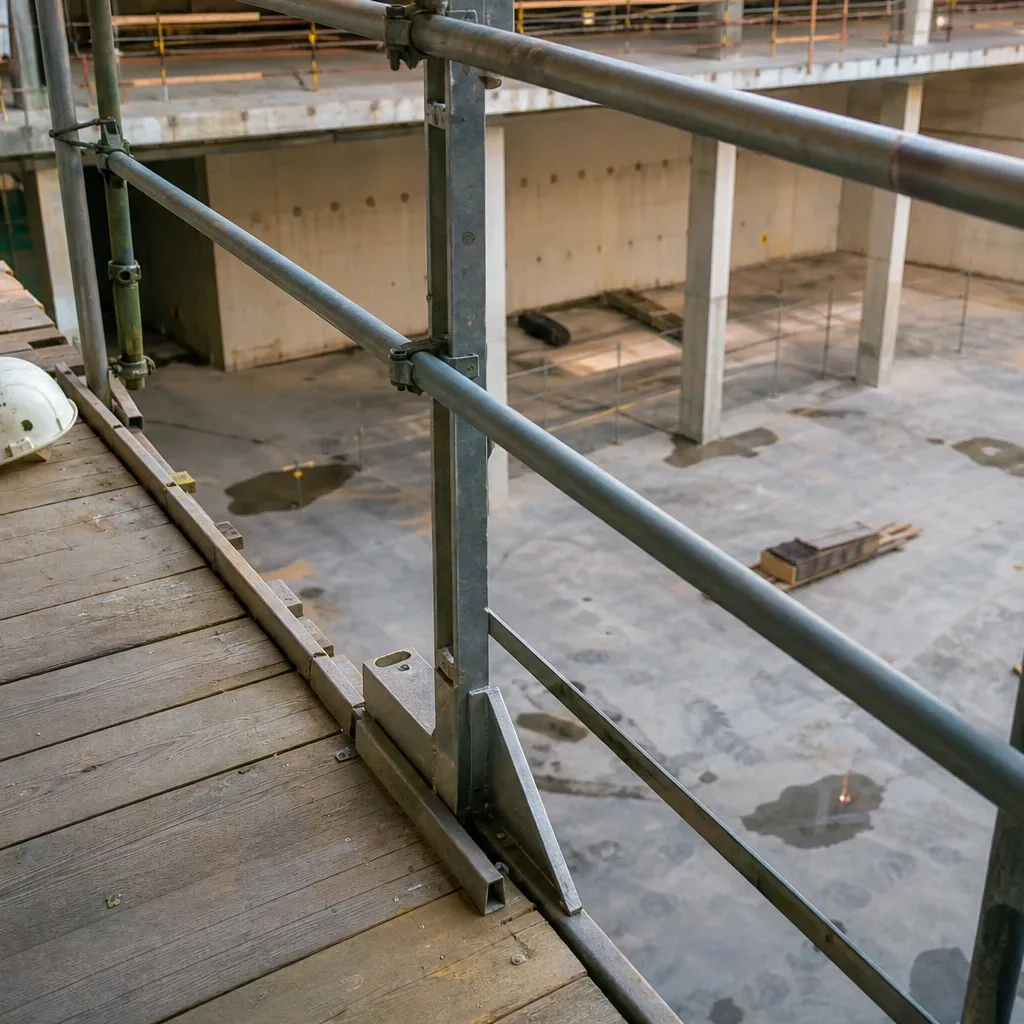
Liability on a construction site rarely falls on a single party. General contractors, subcontractors, property owners, equipment manufacturers, and even architects can each carry a share of responsibility depending on how the accident occurred.
Colorado premises liability law under C.R.S. § 13-21-115 requires landowners to maintain safe conditions for workers classified as invitees, the highest duty of care available under the statute. A general contractor who allows unsafe scaffolding to remain in service, or a property owner who fails to correct a known electrical hazard, may be held directly liable for resulting injuries.
Equipment failures introduce a separate avenue of liability. If a crane, power tool, or lift fails because of a manufacturing defect, the equipment maker can face a product liability claim independent of any negligence by the site employer. Multiple defendants in a single case can translate into larger combined insurance coverage, which matters enormously when injuries are severe.

Workers' Compensation vs. Personal Injury Claims
Most injured construction workers in Denver are entitled to file a workers' compensation claim. Colorado's workers' compensation system provides wage replacement and medical benefits regardless of fault, so a worker does not need to prove the employer was negligent to receive those benefits.
However, workers' comp operates as the exclusive remedy against your direct employer under Colorado law, with narrow exceptions for intentional acts. The statute of limitations for a workers' compensation claim is 2 years from the date of injury or the date of the last compensation payment.
When a Third-Party Personal Injury Claim Is Available
A third-party claim is available when someone other than your direct employer caused or contributed to the accident. If a subcontractor's crew left an unmarked trench that you fell into, or a delivery driver struck you on site, you can pursue a personal injury lawsuit against that third party while still collecting workers' comp benefits from your employer.
Third-party claims are significant because they allow recovery for pain and suffering, loss of enjoyment of life, and full lost wages, categories that workers' compensation does not cover. The personal injury statute of limitations in Colorado is 2 years from the date of injury under C.R.S. § 13-80-102, so acting promptly is critical.
How Colorado's Fault Rules Affect Your Recovery
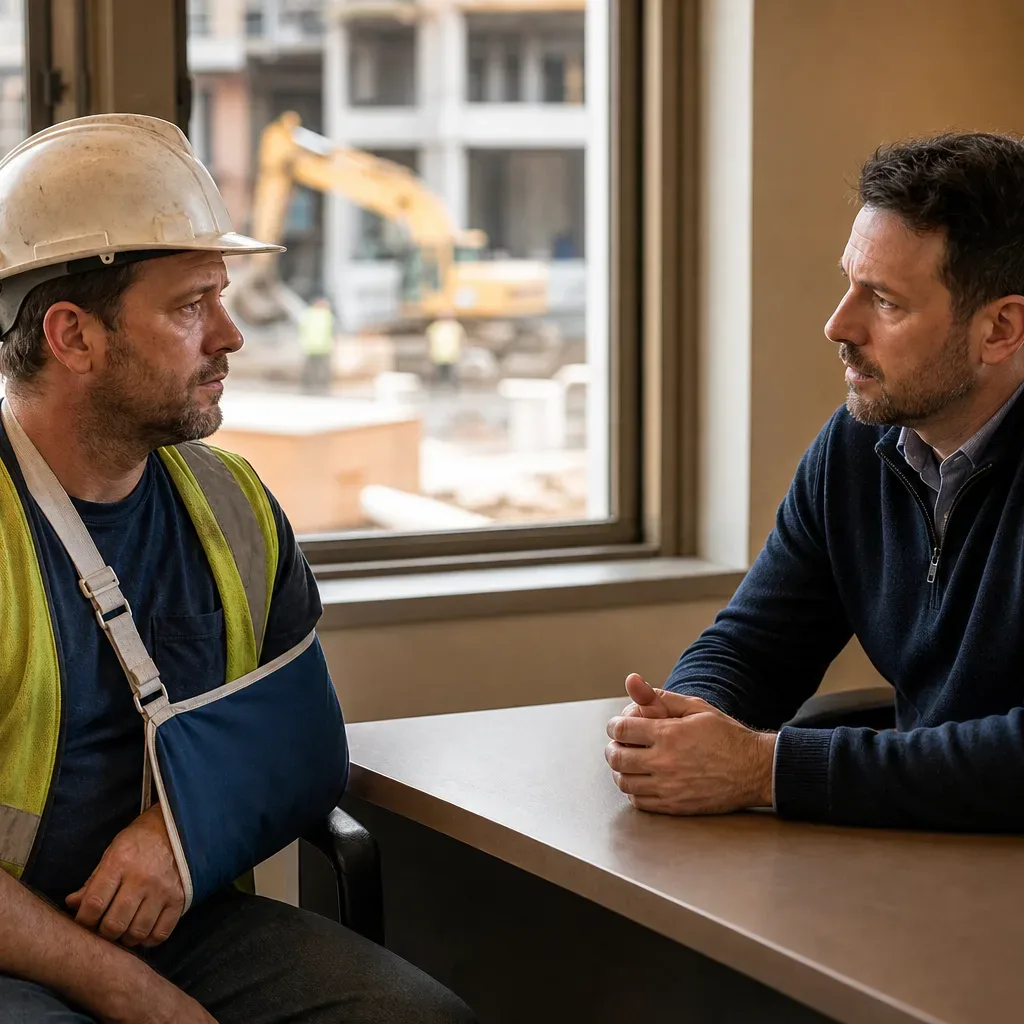
Colorado uses modified comparative negligence under C.R.S. § 13-21-111, which reduces your damages in proportion to your share of fault. If a jury finds you are 49% responsible for your own injury, you still recover 51% of total damages. Cross the 50% threshold, and you are completely barred from recovering anything.
This rule has real consequences for construction accident cases. Defense attorneys often argue that an injured worker ignored safety protocols or used equipment incorrectly. A finding that you bear 50% or more of the fault eliminates your recovery entirely, regardless of how severe your injuries are. Documenting the hazard, preserving witness statements, and retaining site photographs immediately after an accident can counter those arguments effectively.
What Compensation Can You Recover
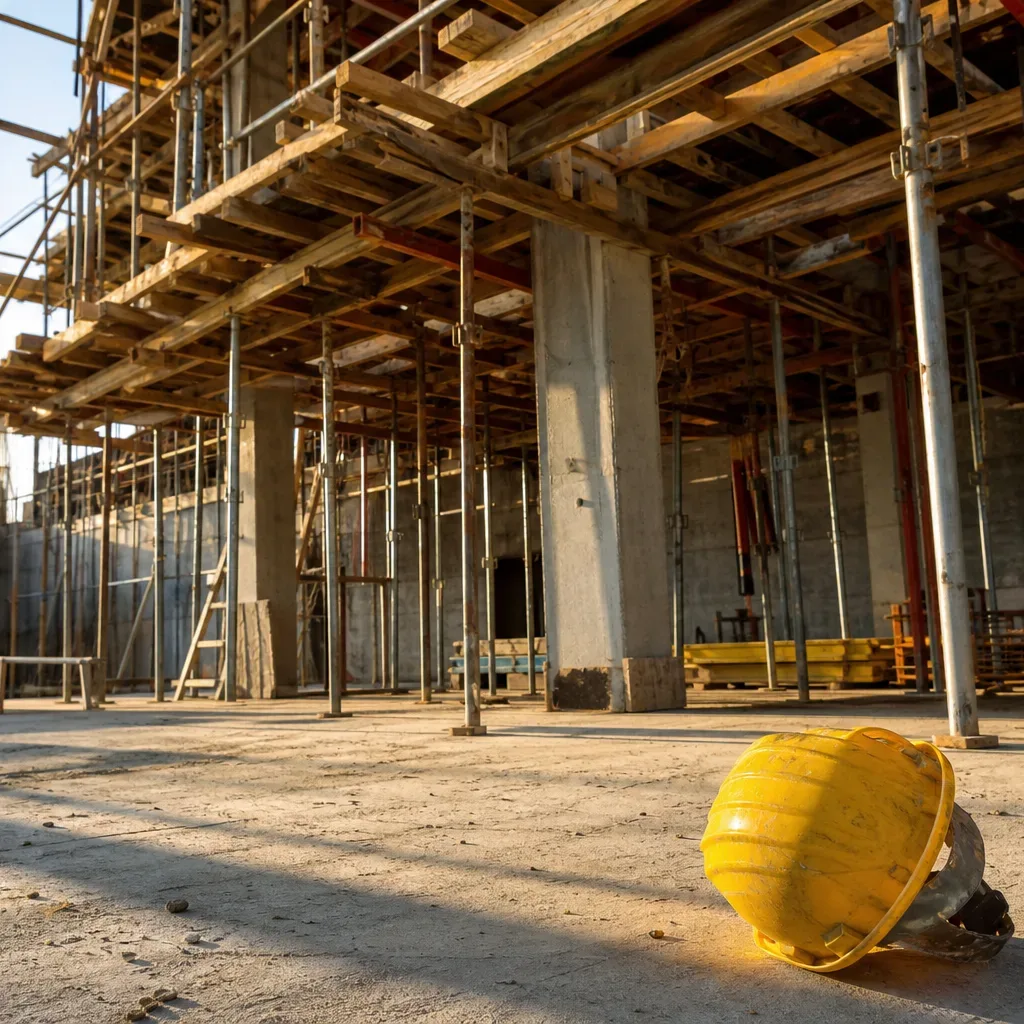
Serious construction accident settlements in Denver typically range from $250,000 to $1,000,000 or more, driven in part by the commercial insurance policies that general contractors and subcontractors are required to carry. Federal FMCSA minimums apply when commercial vehicles are involved on or near a job site, ranging from $750,000 to $5,000,000 depending on cargo type.
Compensable losses in a personal injury construction case include:
- Medical expenses: Emergency care, surgery, hospitalization, physical therapy, and future treatment costs
- Lost income: Wages lost during recovery and reduced earning capacity if a permanent disability prevents you from returning to your trade
- Pain and suffering: Physical pain, emotional distress, and lasting psychological impact
- Loss of consortium: Compensation for the effect serious injuries have on your family relationships
The actual value of your claim depends on the severity of your injuries, the clarity of liability, and the insurance coverage available from each responsible party.
How a Construction Site Accident Lawyer in Denver Can Help
A construction site accident lawyer in Denver handles the evidentiary and procedural complexity that makes these cases difficult to pursue without legal representation. Site conditions change fast. Contractors repair hazards, equipment gets removed, and witnesses scatter once a project phase ends.
An experienced attorney can issue preservation letters to freeze evidence before it disappears, subpoena OSHA inspection records, and retain engineering or safety experts to reconstruct what happened. They also coordinate between your workers' compensation claim and your personal injury case so that any lien on your personal injury settlement from the workers' comp insurer is negotiated down as far as legally possible.
What to Expect from the Legal Process
Most construction injury cases resolve through settlement rather than trial. The negotiation process typically spans several months to over a year, depending on the complexity of the liability picture and whether multiple defendants are involved. If a fair offer is not made, your lawyer should be prepared to take the case to a Denver jury.
Attorneys handling these cases work on a contingency fee, meaning you pay nothing unless there is a recovery. Standard contingency fees range from 33% to 40% of the settlement or verdict, with the percentage sometimes rising if the case proceeds to trial. You face no out-of-pocket legal costs while the case is pending.
Steps to Take Immediately After a Construction Site Injury
Reporting the injury to your employer in writing creates an official record and preserves your right to workers' compensation benefits. Seek medical care the same day, even if you believe the injury is minor, because delayed treatment is frequently used by insurers to argue that the injury was not serious or was caused by something else.
Photograph the hazard, your injuries, and the surrounding area before anyone cleans up or modifies the scene. Collect names and contact information for coworkers who witnessed the accident. Avoid giving a recorded statement to any insurance adjuster before speaking with a lawyer, as those statements are used to minimize your claim. An attorney who responds within 24 hours of your inquiry can help you take these steps before critical evidence is lost.
Frequently Asked Questions
How Do I Find a Construction Site Accident Lawyer in Denver?
Look for a Denver personal injury lawyer with specific experience handling construction accident cases, including both workers' compensation coordination and third-party personal injury claims. Ask whether they have retained engineering or safety experts in prior cases and whether they work on a contingency fee so you pay nothing unless you recover. Most reputable firms respond to new inquiries within 24 hours.
Can I Sue My Employer After a Construction Accident in Colorado?
Colorado workers' compensation is generally the exclusive remedy against your direct employer, meaning you typically cannot file a personal injury lawsuit against them. However, you can still sue third parties, such as subcontractors, equipment manufacturers, or property owners, whose negligence contributed to your injury. Those third-party claims can include damages for pain and suffering that workers' comp does not cover.
How Long Do I Have to File a Construction Accident Claim in Colorado?
For a personal injury lawsuit against a third party, the statute of limitations is 2 years from the date of injury under C.R.S. § 13-80-102. For a workers' compensation claim, you have 2 years from the date of injury or the date of the last compensation payment. Missing either deadline can permanently eliminate your right to recover, so consult a lawyer as soon as possible after the accident.
What Is the Average Settlement for a Construction Accident in Denver?
Serious construction accident cases in Denver typically settle in the range of $250,000 to $1,000,000 or more, reflecting the severity of injuries common in these cases and the commercial insurance policies contractors are required to carry. The actual value depends on factors including the nature and permanence of your injuries, how clearly liability can be established, and the insurance limits available from each responsible party.
Does Colorado's Comparative Fault Rule Affect Construction Accident Cases?
Yes. Colorado uses modified comparative negligence under C.R.S. § 13-21-111, which reduces your damages by your percentage of fault. If you are found to be 50% or more at fault, you recover nothing. Defense teams in construction cases commonly argue that injured workers ignored safety rules, making early evidence preservation and legal representation especially important.