Slip and Fall Accidents in Denver - A Premises Liability Guide for Injured Visitors
A wet floor in a Cherry Creek grocery store, an icy sidewalk outside a Capitol Hill apartment building, a broken step on a LoDo restaurant patio: each scenario can send someone to the emergency room with a fractured wrist, a torn ligament, or a traumatic brain injury. Denver slip and fall accident lawyers handle these cases under Colorado's premises liability statute, which holds property owners accountable when their negligence causes harm. Understanding how that law works gives you a clearer picture of what your claim is actually worth and what you need to prove.

How Colorado Premises Liability Law Works
Colorado's premises liability statute, C.R.S. § 13-21-115, defines the duty a landowner owes based on why the injured person was on the property. Three categories matter: invitee, licensee, and trespasser. Each carries a different legal standard.
An invitee is someone invited onto the property for the owner's benefit, typically a paying customer or a visitor to a public business. Landowners owe invitees the highest duty: they must use reasonable care to inspect the property, repair hazards, and warn visitors of known dangers. A licensee is someone present with permission but for their own purposes, like a social guest. Owners must warn licensees of known, non-obvious hazards but are not required to inspect for unknown ones.
Trespassers generally receive the lowest protection, although owners cannot willfully or deliberately injure them.
Why Your Status on the Property Matters
Your visitor status controls which legal standard applies, which directly affects how hard your case is to win. If you slipped in a Denver grocery store, you were almost certainly an invitee, and the store had a duty to inspect aisles regularly and clean up spills promptly. If you fell at a friend's house, licensee rules apply, narrowing what the homeowner owed you. Establishing the right category is one of the first steps a premises liability attorney will take.

What You Must Prove to Win a Claim
Four core elements form the foundation of a Colorado slip and fall claim. You must show the property owner owed you a duty of care, they breached that duty, the breach directly caused your accident, and you suffered real, measurable damages. Proving breach often requires showing the owner knew about the hazard or should have discovered it through reasonable inspection.
Surveillance footage is powerful evidence here. Denver retailers and commercial properties frequently have camera systems, and footage is often overwritten within 30 to 72 hours. Sending a written preservation demand to the property owner or their insurer immediately after an accident can prevent that evidence from disappearing. Incident reports, witness statements, and photographs of the hazard taken the same day also carry significant weight.
The 50% Comparative Fault Bar
Colorado uses a modified comparative negligence system under C.R.S. § 13-21-111, which means your compensation is reduced by your percentage of fault, and you receive nothing if you are found 50% or more responsible. If a jury concludes you bear 30% of the blame for not watching where you were walking, your award is reduced by 30%. Fault allocation is a common defense tactic: insurers frequently argue that a victim was distracted by a phone, wearing inappropriate footwear, or ignored posted warning signs. Documenting that no warning signs were present and that the hazard was not obvious helps counter that argument.

Typical Settlements for Denver Slip and Fall Cases
Settlement values for Denver slip and fall claims generally fall in the $30,000–$150,000 range. That spread reflects how widely injury severity and liability clarity can vary from one case to the next. A sprained ankle with a clear liability picture and a cooperative insurer may resolve toward the lower end. A hip fracture requiring surgery, months of physical therapy, and documented lost wages from a Denver employer can reach or exceed the higher end, particularly when the property owner had prior notice of the hazard.
Factors that push values higher include permanent impairment ratings, documented medical expenses, clear evidence the owner ignored prior complaints, and strong surveillance footage. Cases that settle for less often involve disputed liability, minor injuries with brief treatment, or victims who delayed seeking medical care, which insurers use to question causation.
How Attorney Fees Work
Denver slip and fall accident lawyers almost always take these cases on contingency. You pay no upfront fees, and the attorney collects a percentage only if you recover money. Standard contingency fees in Colorado run 33%–40% of the settlement or verdict, with the percentage sometimes rising if the case goes to trial. You owe nothing if there is no recovery.

The Filing Deadline You Cannot Miss
Colorado sets a two-year statute of limitations for slip and fall personal injury claims under C.R.S. § 13-80-102. That clock typically starts on the date of your accident. Missing the deadline almost always means losing your right to compensation entirely, regardless of how strong your case is.
Two years can pass quickly when you are focused on medical treatment and recovery. Evidence degrades, witnesses move away, and surveillance footage is long gone. Filing earlier preserves options. Many attorneys will send a preservation letter and open a claim within days of an initial consultation, protecting the evidence trail while you continue treatment.
Steps to Take After a Slip and Fall in Denver
The actions you take in the hours and days after a fall have a direct effect on the value and viability of your claim. Prioritize these in order:
- Seek medical attention the same day. Emergency room or urgent care records create an immediate link between the accident and your injuries. Gaps in treatment give insurers room to argue your injuries were not serious or were caused by something else.
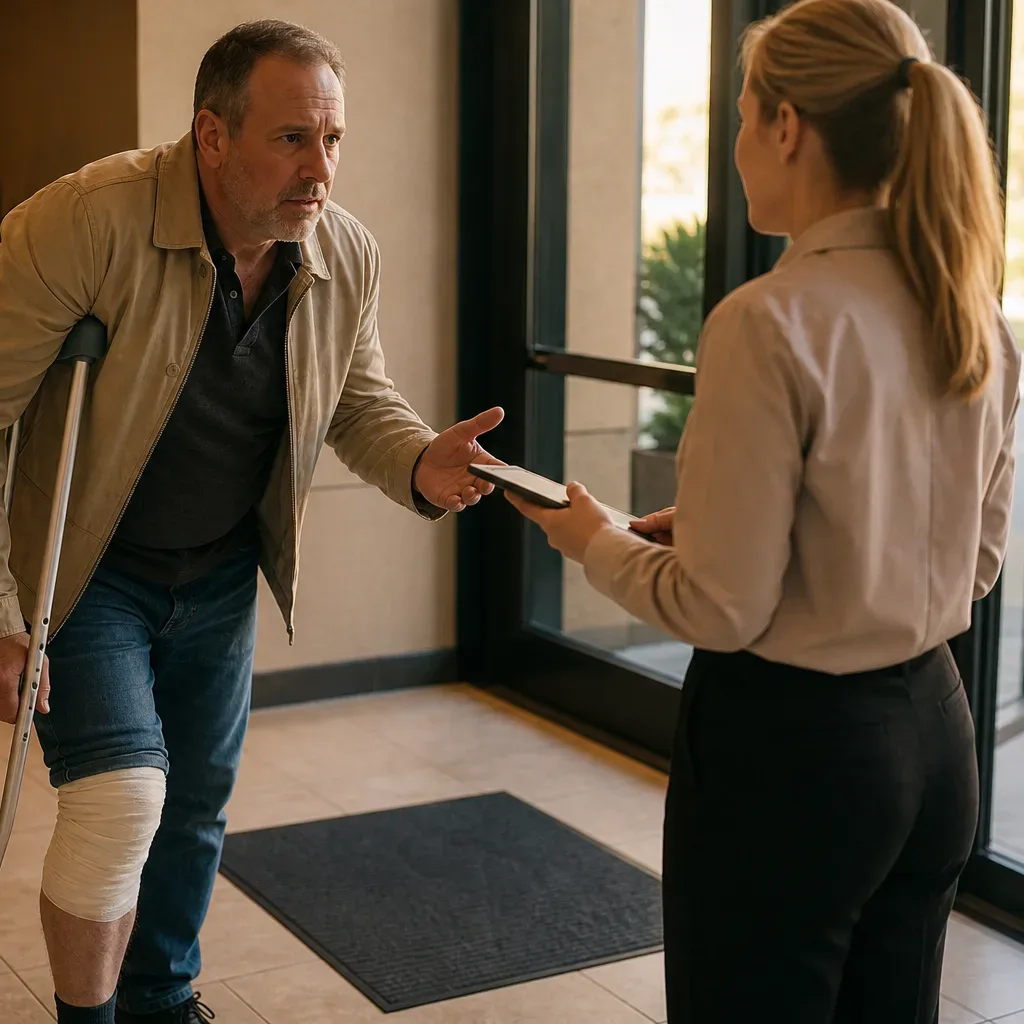
- Report the incident to the property owner or manager. Ask for a copy of any written incident report before you leave. If they refuse to provide one, note the name of the person you spoke with.
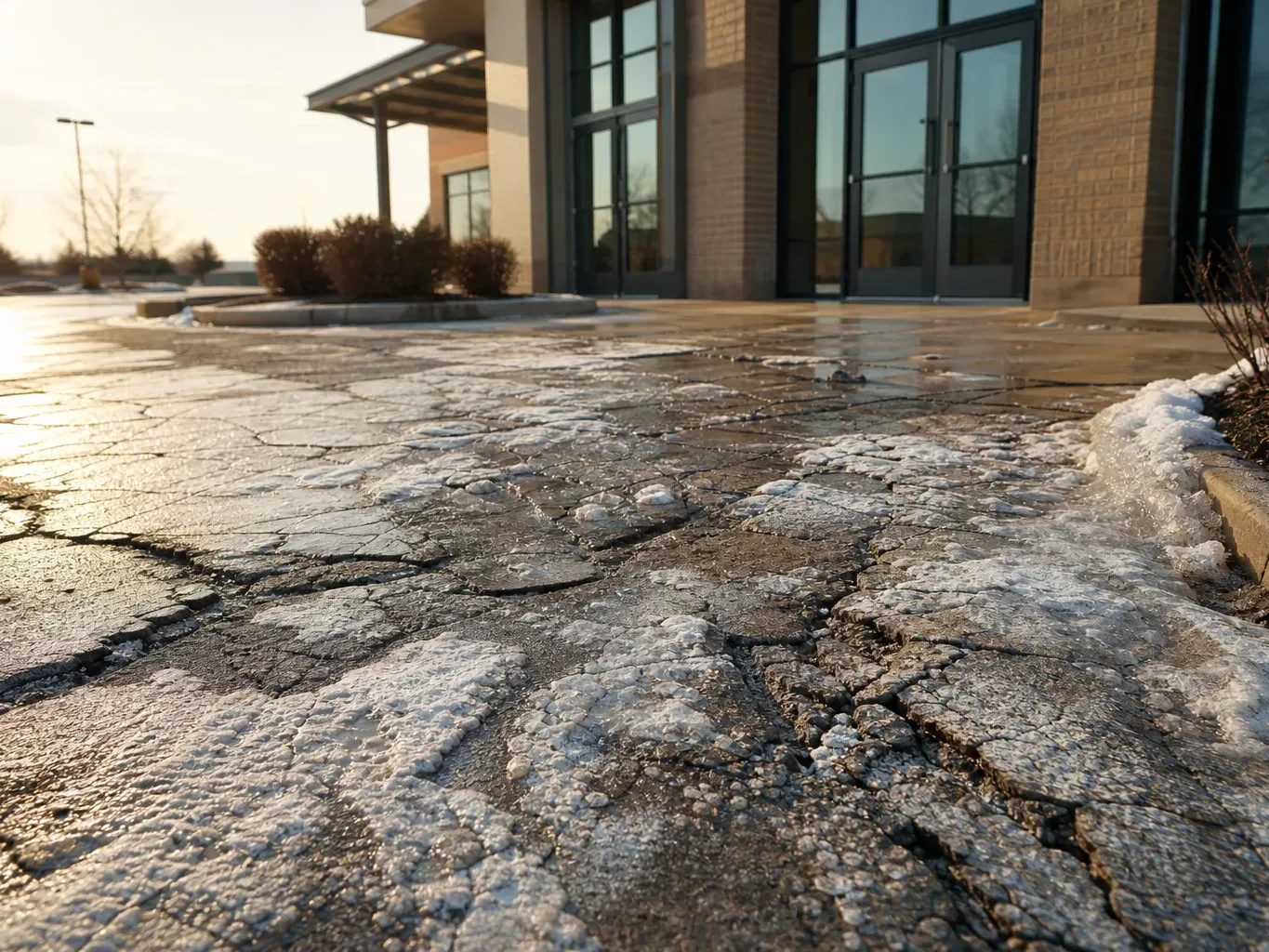
- Photograph the hazard. Capture the wet floor, broken step, icy surface, or missing handrail before it is repaired. Include surrounding conditions and any absent warning signs.
- Collect witness contact information. Bystanders who saw you fall or who can confirm the hazard existed beforehand provide corroborating evidence that is hard for a defense team to dismiss.
- Consult a Denver slip and fall accident lawyer before speaking to the property owner's insurer. Adjusters are trained to gather statements that minimize the company's liability. An attorney can advise you on what to say and what to avoid.
What a Denver Premises Liability Lawyer Actually Does
Beyond filing paperwork, a premises liability attorney investigates the property's maintenance history, identifies all potentially liable parties, and handles insurer negotiations. Commercial properties may have multiple responsible parties: the tenant, the building owner, a contracted cleaning company, and a property management firm can each carry some share of liability. Identifying every source of coverage maximizes the compensation available to you.
Attorneys also calculate the full value of your damages, not just current medical bills. Future medical costs, reduced earning capacity, and non-economic damages like pain and suffering all factor into a complete demand. Insurers rarely volunteer to pay those amounts without pressure from a lawyer who is prepared to go to trial.
Frequently Asked Questions
How Long Do I Have to File a Slip and Fall Claim in Denver?
Colorado law gives you two years from the date of your accident to file a personal injury claim under C.R.S. § 13-80-102. Missing that deadline typically bars your claim entirely. Acting quickly also helps preserve surveillance footage and witness accounts that disappear over time.
What Is a Typical Slip and Fall Settlement Amount in Denver?
Most Denver slip and fall settlements fall in the $30,000–$150,000 range. Cases involving serious injuries like hip fractures, surgeries, or lasting impairment tend to settle toward the higher end, while minor injuries with disputed liability often settle for less. Your specific medical expenses, lost income, and the clarity of the property owner's fault all affect the final number.
What If the Property Owner Says I Was Partly at Fault?
Colorado follows a modified comparative negligence rule under C.R.S. § 13-21-111. Your compensation is reduced by your percentage of fault, but you can still recover as long as you are found less than 50% responsible. If a jury assigns you 49% fault on a $100,000 award, you collect $51,000. At 50% or more fault, you collect nothing.
Does a Denver Slip and Fall Accident Lawyer Charge Upfront Fees?
No. Denver premises liability attorneys typically work on contingency, meaning you pay nothing unless you recover compensation. Standard fees run 33%–40% of the settlement or verdict, and the rate may increase if your case goes to trial. You owe no fee at all if there is no recovery.
What Should I Do Right After a Slip and Fall Accident in Denver?
Seek medical care the same day, report the incident to the property owner or manager, photograph the hazard before it is repaired, and gather contact information from any witnesses. Avoid giving a recorded statement to the property owner's insurer before consulting an attorney, since adjusters are trained to use those statements to reduce your payout.