Denver Truck Accident Lawyers - Big Rig and Commercial Vehicle Crashes
Why Truck Crashes Are Different from Car Accidents
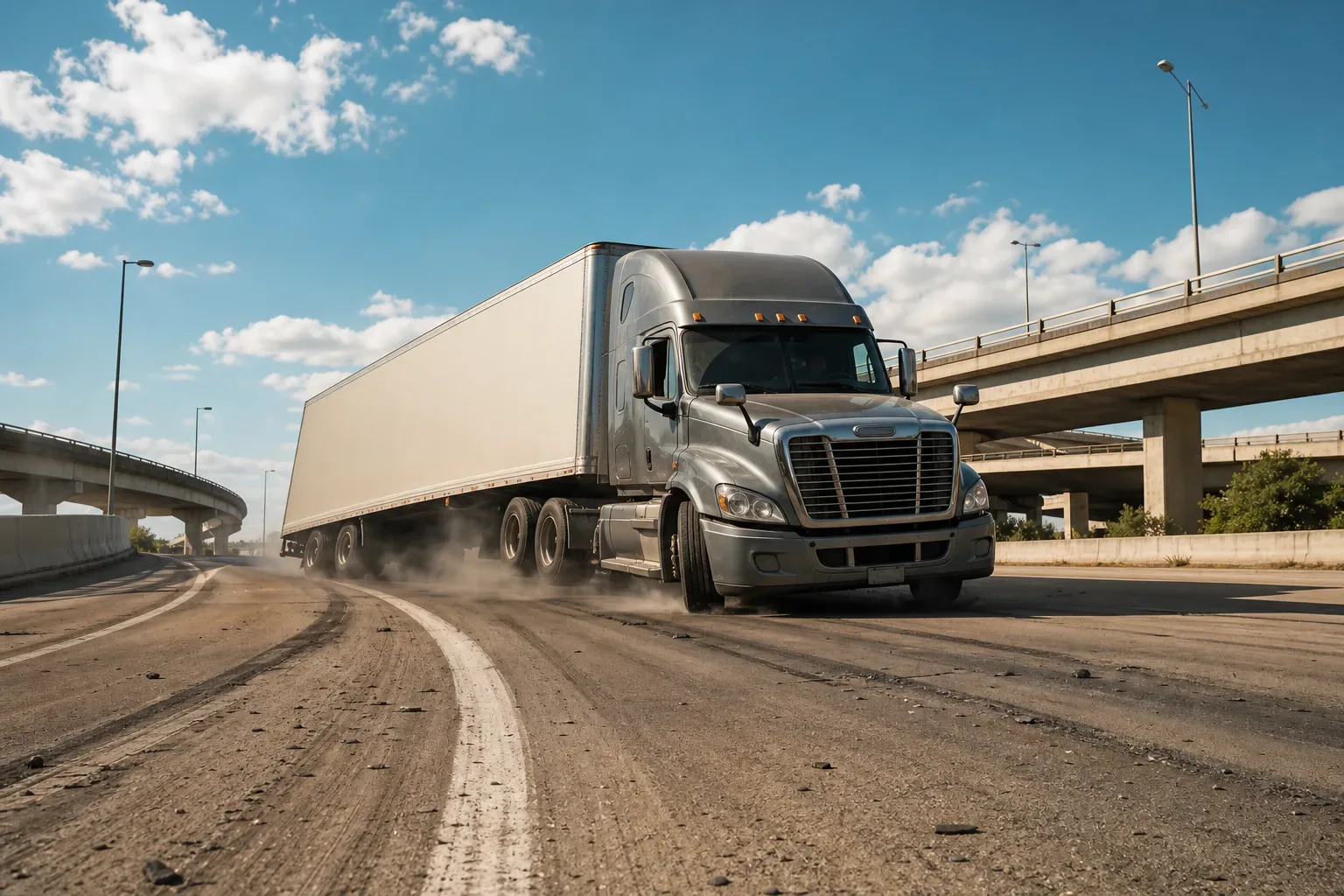
A fully loaded semi-truck can weigh up to 80,000 pounds. A passenger car weighs roughly 3,500 pounds. That physics gap translates directly into catastrophic injuries, totaled vehicles, and claims that dwarf what typical car accident cases involve.
Commercial truck crashes also involve a web of potential defendants that a standard two-car collision simply does not. The truck driver, the carrier company, the cargo loader, the truck manufacturer, and even a maintenance contractor could all share liability depending on what caused the crash.
Colorado's I-25, I-70, and the truck corridors through the Denver metro area handle enormous freight volumes daily. That volume means Denver-area residents face a genuine and recurring exposure to big-rig collisions, especially near interchanges like the Valley Highway and the Mousetrap.
What Federal Rules Govern Commercial Truck Cases
The Federal Motor Carrier Safety Administration sets standards that apply on top of Colorado traffic law. Carriers hauling general freight must carry minimum insurance of $750,000. Trucks moving hazardous materials face minimums up to $5,000,000.
Hours-of-service rules limit how long a driver can operate before mandatory rest. Electronic logging devices record those hours, and that data becomes critical evidence in a fatigue-related crash investigation. Violating FMCSA rules can expose a carrier to punitive damages beyond standard compensation.
Weight limits, inspection requirements, and driver qualification standards all create a paper trail. A Denver truck accident lawyer knows how to request and preserve those records before carriers have any opportunity to let them go missing.

Common Causes of Big Rig Accidents in Denver
Driver Fatigue and Hours-of-Service Violations
Long-haul routes through Denver often mean drivers pushing close to their legal maximums. Fatigue impairs reaction time in ways that become fatal at highway speeds. Electronic log audits frequently reveal violations that the driver and carrier would prefer to keep quiet.
Improper Loading and Cargo Shifts
A trailer loaded unevenly can cause a jackknife or rollover even when the driver is doing everything right. Cargo loading is often handled by a third party, meaning the liable party is not the trucker at all. Identifying who packed the load and whether they followed weight-distribution standards is a key part of any serious investigation.
Mechanical Failure and Deferred Maintenance
Brake failures account for a substantial share of large-truck crashes nationwide. Carriers that defer preventive maintenance to cut costs create measurable risk. Maintenance logs, inspection reports, and recall records all help establish whether a mechanical defect was known and ignored.
Distracted and Impaired Driving
Phone use, dispatching software, and in-cab technology create distraction risks unique to commercial drivers. Drug and alcohol testing records are federally mandated after any crash meeting certain thresholds, and obtaining those results promptly is essential.
How Colorado Fault Rules Apply to Truck Cases
Colorado uses an at-fault tort system. Injured parties pursue compensation from the party whose negligence caused the crash rather than their own insurer. Under Colorado's modified comparative negligence rule, you can recover damages as long as you are less than 50 percent at fault. Your damages are reduced proportionally by your share of fault.
Carriers and their insurers know this rule and work aggressively to push fault onto the injured driver. An early investigation, scene documentation, and black-box data preservation can prevent that narrative from taking hold. Acting quickly matters because evidence degrades fast after a crash.
What Compensation Is Available After a Truck Accident
Serious truck accident settlements in the Denver market typically range from $250,000 to $1,000,000 or more. That range reflects the severity of injuries common in big-rig collisions, the higher insurance minimums carriers must carry, and the multi-defendant nature of many cases.
Compensable damages include medical expenses, future care costs, lost wages, reduced earning capacity, pain and suffering, and property damage. Cases involving wrongful death carry a separate two-year statute of limitations from the date of death under Colorado law.
Punitive damages become available when a carrier's conduct was willful or wanton, such as knowingly allowing an unqualified driver to operate or falsifying inspection records. Those cases require clear and convincing evidence, but the presence of federal regulatory violations raises that possibility meaningfully.
The Statute of Limitations in Colorado
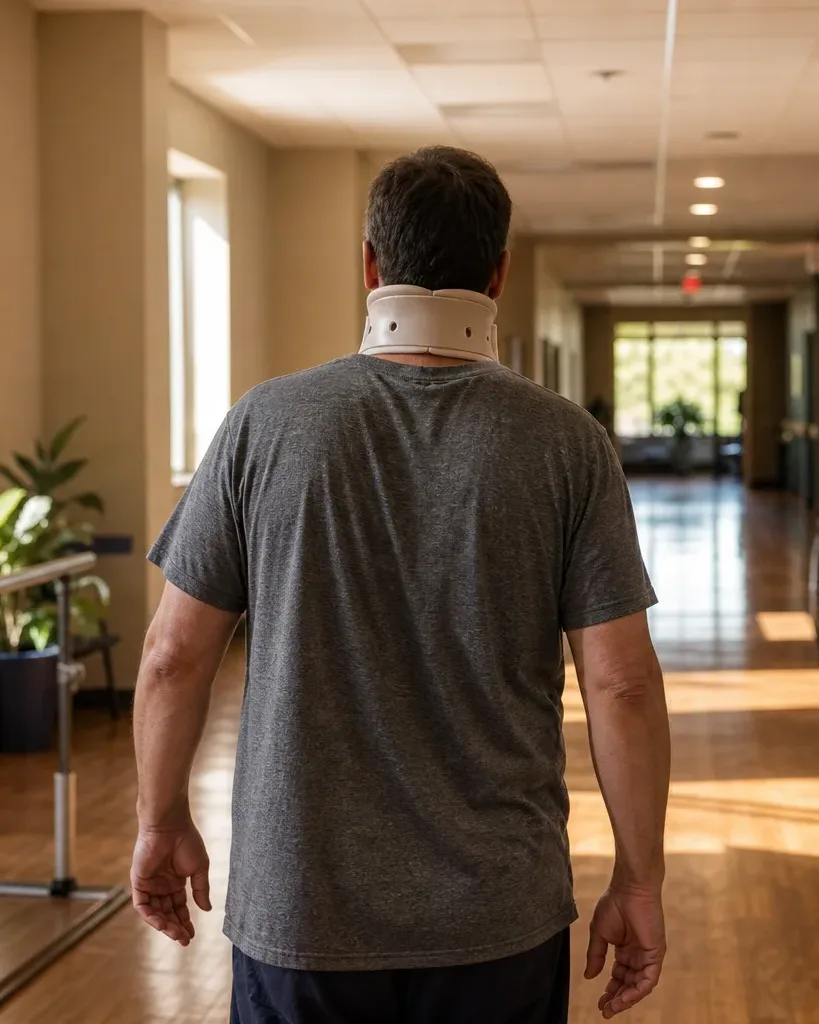
Colorado gives injured victims two years from the date of injury to file a personal injury claim under C.R.S. § 13-80-102. Missing that deadline almost always means losing the right to recover anything, regardless of how strong the underlying case is.
Two years sounds generous, but truck accident cases require extensive pre-suit investigation. Obtaining driver qualification files, pulling black-box data, securing surveillance footage, and identifying all liable defendants takes time. Starting the process early preserves options; waiting until month 20 creates real risk of losing critical evidence.
How a Denver Truck Accident Lawyer Builds Your Case
Immediate Evidence Preservation
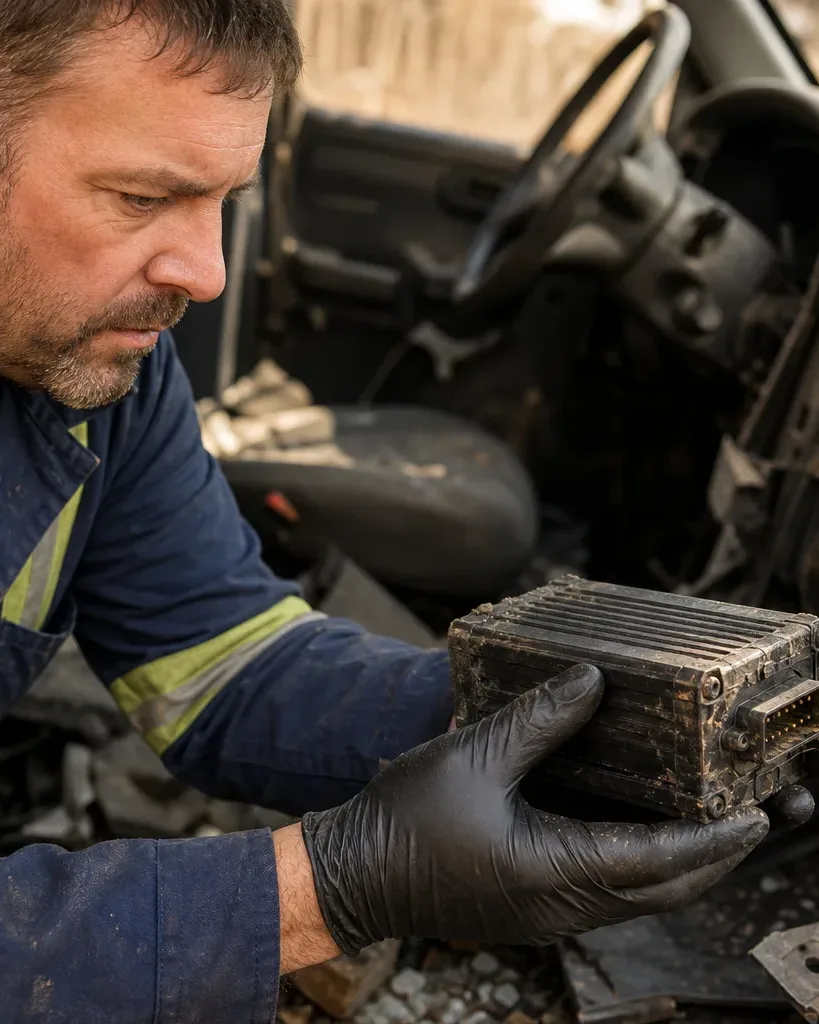
Black-box event data recorders capture speed, braking, and steering inputs in the seconds before impact. Carriers are not required to retain that data indefinitely, and some systems overwrite records within 30 days. A legal hold letter sent within days of the crash is standard practice for any experienced truck accident lawyer.
Coordinating Accident Reconstruction
Truck crashes often require professional reconstruction to establish exactly what happened. Skid marks, yaw marks, cargo scatter patterns, and impact geometry all feed into that analysis. The reconstruction report becomes a central exhibit in settlement negotiations or at trial.
Negotiating with Commercial Insurers
Commercial carriers retain specialized claims adjusters and defense firms whose sole job is minimizing payouts. Those professionals begin building a defense file immediately. Having a lawyer who regularly handles Denver truck accident cases levels that playing field from day one.
Handling Attorney Fees
Most Denver truck accident lawyers work on a contingency basis. Fees typically run 33%–40% of the final settlement or verdict, with the percentage often rising if the case proceeds to trial. No fee is owed if there is no recovery.
That structure means the lawyer's financial interest aligns with yours. It also means access to legal representation does not depend on paying anything upfront, even in cases that require expensive expert witnesses and months of investigation.

What to Do Immediately After a Commercial Vehicle Crash
Call 911 and get a police report. Document the scene with photos if you are physically able: the truck's DOT number, license plate, cargo markings, and any visible damage. Get contact information for witnesses before they leave.
Seek medical care the same day, even if you feel functional. Adrenaline masks pain, and delayed treatment creates gaps that insurers use to dispute injury causation. Do not give a recorded statement to the carrier's insurer before speaking with a lawyer. A Denver truck accident lawyer can typically respond to an inquiry within 24 hours.
Frequently Asked Questions
How Does a Big Rig Accident Lawsuit in Denver Work?
A big rig accident lawsuit in Denver begins with identifying all liable parties, which can include the driver, the trucking company, cargo loaders, and maintenance contractors. Your lawyer files a complaint in Colorado state or federal court, conducts discovery to obtain black-box data, driver logs, and inspection records, and negotiates a settlement or takes the case to trial. Colorado's two-year statute of limitations under C.R.S. § 13-80-102 means you need to start the process promptly to preserve evidence and meet legal deadlines.
How Much Is a Truck Accident Settlement Worth in Denver?
Serious truck accident settlements in the Denver area typically range from $250,000 to $1,000,000 or more. That range is higher than standard car accident cases because commercial carriers carry minimum federal insurance of $750,000 to $5,000,000 depending on cargo type, and because big-rig crashes tend to cause more severe injuries. The actual value depends on medical costs, lost income, long-term care needs, and whether the carrier violated federal safety regulations.
Who Can Be Held Liable in a Commercial Truck Crash?
Liability in a commercial truck crash can extend beyond the driver to include the trucking company, the cargo loading company, the truck or parts manufacturer, and third-party maintenance contractors. Colorado's at-fault tort system allows injured parties to pursue every party whose negligence contributed to the crash. Identifying all defendants early is critical because some parties, like cargo loaders, may carry separate insurance policies that significantly increase total available coverage.
How Long Do I Have to File a Truck Accident Claim in Colorado?
Colorado gives you two years from the date of injury to file a personal injury claim under C.R.S. § 13-80-102. Wrongful death cases have a separate two-year window that runs from the date of death. While two years may seem like enough time, truck accident cases require early evidence preservation, including black-box data that can be overwritten within 30 days, so contacting a Denver truck accident lawyer as soon as possible after the crash is strongly advised.
What Does a Denver Truck Accident Lawyer Cost?
Most Denver truck accident lawyers work on a contingency fee basis, meaning you pay nothing upfront. Fees typically range from 33% to 40% of the final settlement or verdict, and the percentage may increase if the case goes to trial. If there is no recovery, you owe no attorney fee. This arrangement gives injured victims access to experienced legal representation and expert witnesses without any out-of-pocket cost.