Who Is Liable in a Denver Commercial Truck Accident?
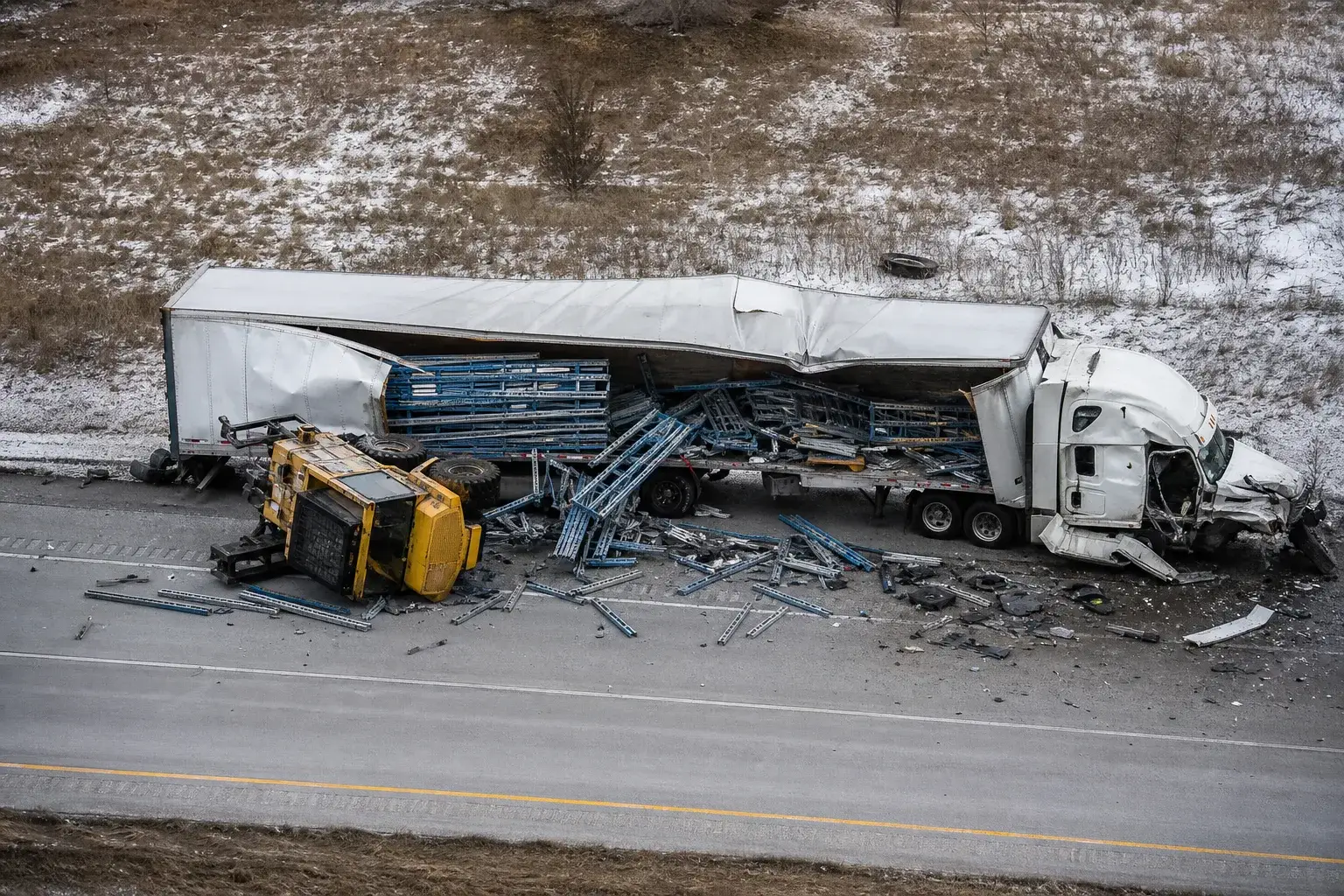
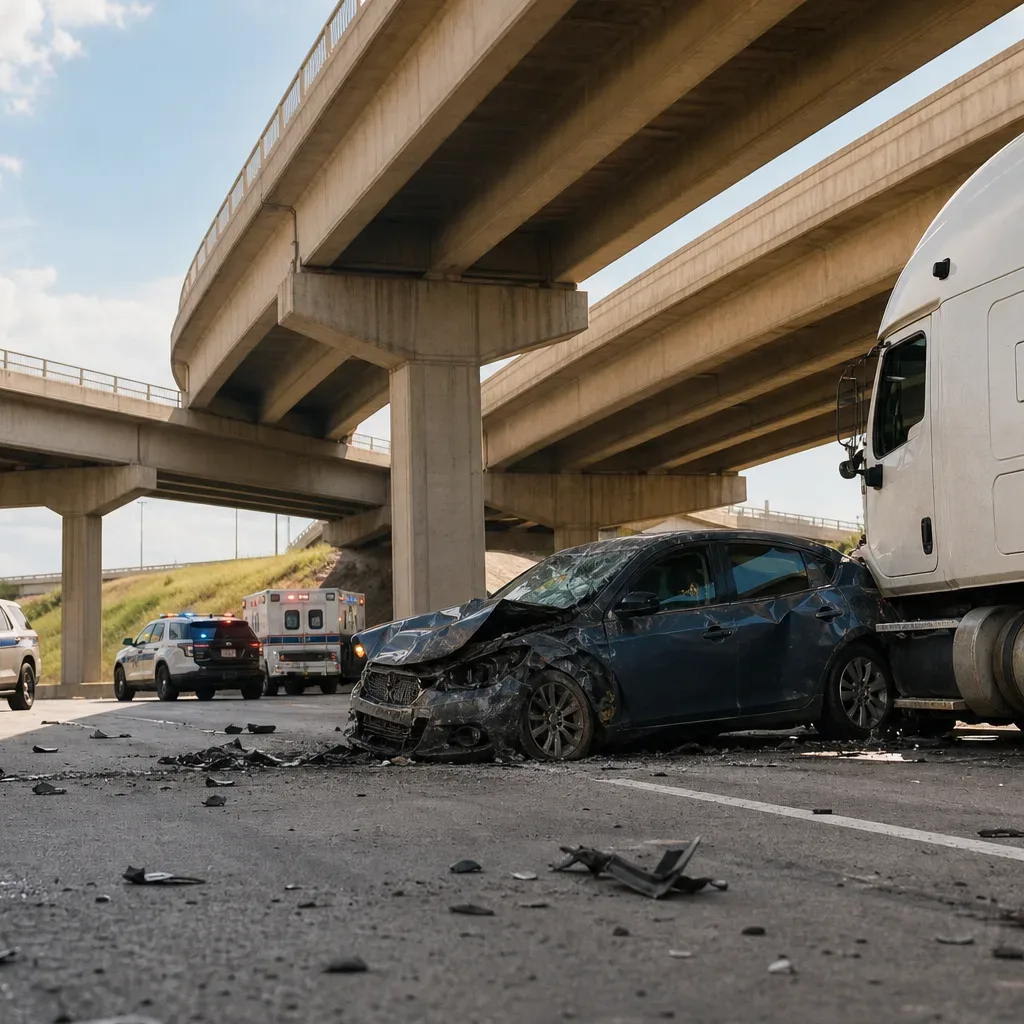
A fully loaded semi-truck can weigh up to 80,000 pounds. When one collides with a passenger vehicle on I-25 or I-70, the injuries are almost always severe, and the question of who pays for them is rarely simple. Multiple parties can share legal responsibility, and identifying all of them is critical to recovering the full compensation you deserve.
Why Truck Accident Liability Is More Complex Than a Car Crash
In a standard two-car accident, liability usually falls on one or both drivers. Commercial trucking adds several layers. A truck is operated by a driver, maintained by a carrier, loaded by a shipper, and sometimes leased through a separate entity. Each relationship creates its own potential exposure under federal regulations, Colorado tort law, and contractual arrangements.
Colorado follows a modified comparative negligence rule under C.R.S. § 13-21-111. If you are found less than 50% at fault, you can still recover damages, though your award is reduced proportionally. Identifying every responsible party strengthens your position and avoids leaving money on the table.
The Truck Driver
Driver error causes the majority of commercial truck crashes. Common forms of negligence include fatigued driving in violation of FMCSA hours-of-service rules, following too closely on congested stretches of the C-470 corridor, distracted driving, and operating under the influence of stimulants.
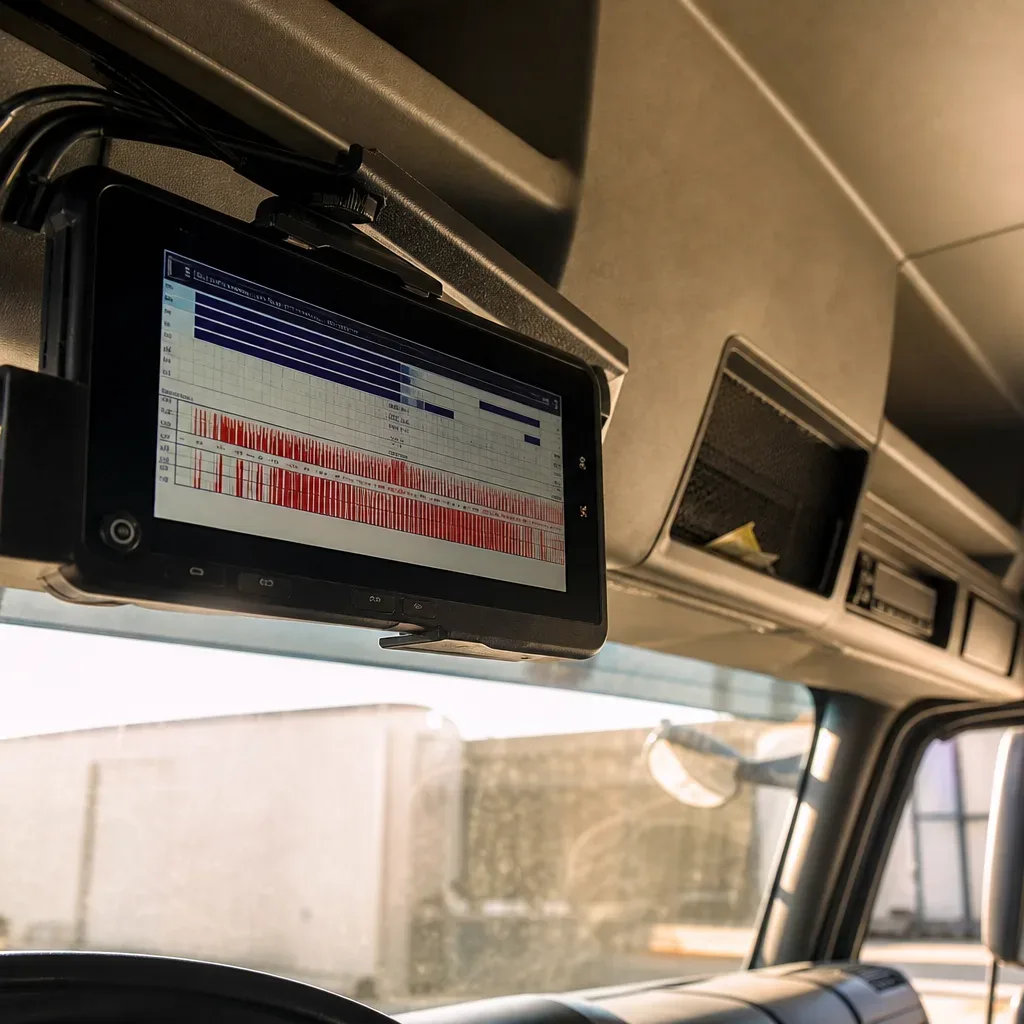
In Denver, law enforcement and the Colorado State Patrol document these violations through electronic logging device data, dashcam footage, and driver toxicology reports. Your attorney can subpoena those records early, before they are overwritten or destroyed. A driver who violates a federal safety regulation is often considered negligent per se under Colorado law, which simplifies the burden of proof considerably.
When the Driver Is an Employee vs. an Independent Contractor
The carrier's liability for the driver's actions depends heavily on the employment relationship. If the driver is a W-2 employee, the carrier is almost certainly liable for negligent acts committed within the scope of employment. Carriers sometimes classify drivers as independent contractors to limit that exposure.
Federal leasing regulations under 49 C.F.R. Part 376 can override those contractual labels. Courts look at actual operational control, not just the title on a form. An experienced truck accident lawyer can dissect payroll records, dispatch logs, and lease agreements to establish true employment status.
The Trucking Company
The carrier can be directly liable, not just vicariously liable, for its own negligent acts. Carriers have independent duties to hire qualified drivers, verify commercial driver's licenses, review driving records, conduct drug and alcohol testing, and maintain vehicles to FMCSA standards. Failing any one of those duties opens the carrier to a direct negligence claim separate from anything the driver did.
Commercial carriers operating in Colorado must carry minimum insurance of $750,000 for general freight and up to $5,000,000 for hazardous materials under FMCSA requirements. That coverage is substantially higher than the $25,000 per person minimum required for private passenger vehicles. The higher policy limits matter enormously if your injuries are catastrophic.
Negligent Hiring and Retention
If a carrier hired a driver with a history of DUI convictions or prior serious violations and failed to check the Pre-Employment Screening Program database, that is a standalone negligent hiring claim. Negligent retention applies when a carrier kept a driver on the road after warning signs emerged. Both theories expose the company to punitive damages in egregious cases under Colorado law.

The Cargo Loader or Shipper
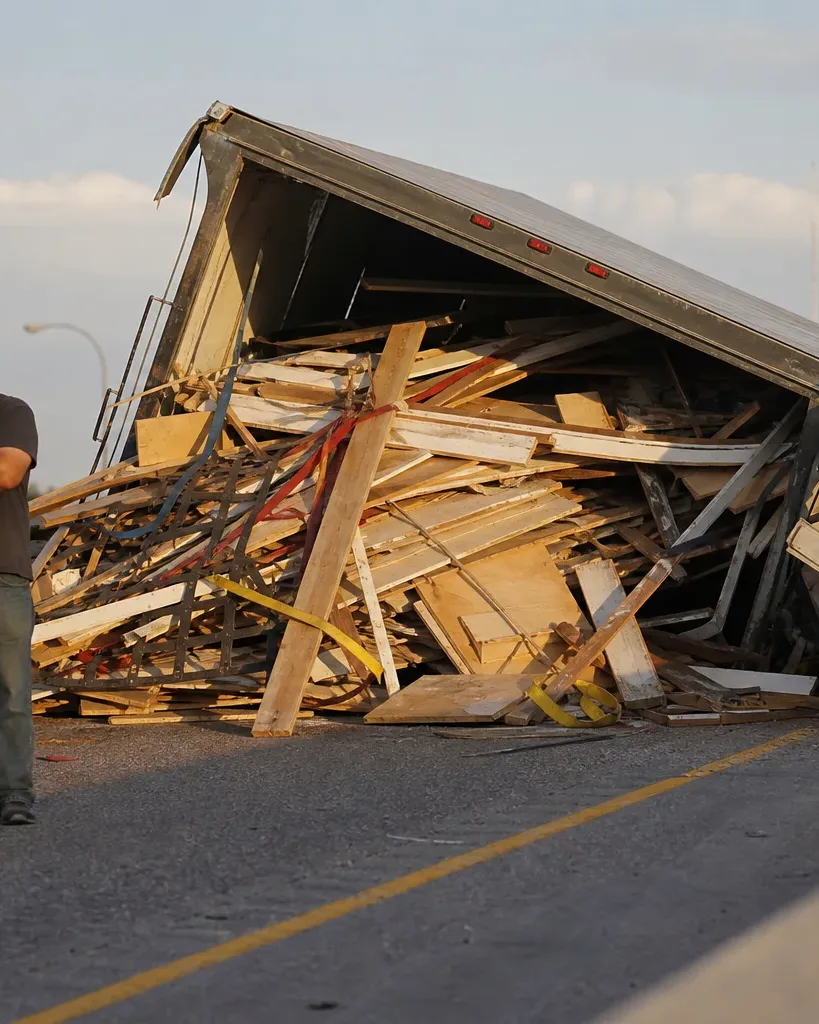
Improperly loaded or unsecured cargo is a significant cause of truck accidents. An overloaded trailer shifts a truck's center of gravity and lengthens stopping distances. Unsecured loads can shift mid-turn and cause a rollover on ramps along Denver's highway system.
The party responsible for loading and securing the cargo, which may be the shipper, a third-party logistics company, or a freight broker's subcontractor, can be named as a defendant when load failure contributed to the crash. Federal cargo securement regulations are detailed and specific, covering weight distribution, tie-down strength, and load positioning. Violations create strong evidence of negligence.
The Vehicle Manufacturer or Maintenance Provider
Sometimes the crash is not caused by human error at all. A brake failure, tire blowout, or defective steering component can trigger a multi-vehicle wreck even when the driver does everything right. In those situations, the manufacturer of the defective part or the shop that negligently serviced the vehicle can be held liable under Colorado product liability or premises liability principles.
Maintenance records are often subpoenaed to determine whether a known defect was left unaddressed. Carriers are required to keep detailed inspection and repair logs. Those records can reveal whether a brake issue was flagged weeks before the crash and simply ignored.
Government Entities and Road Conditions
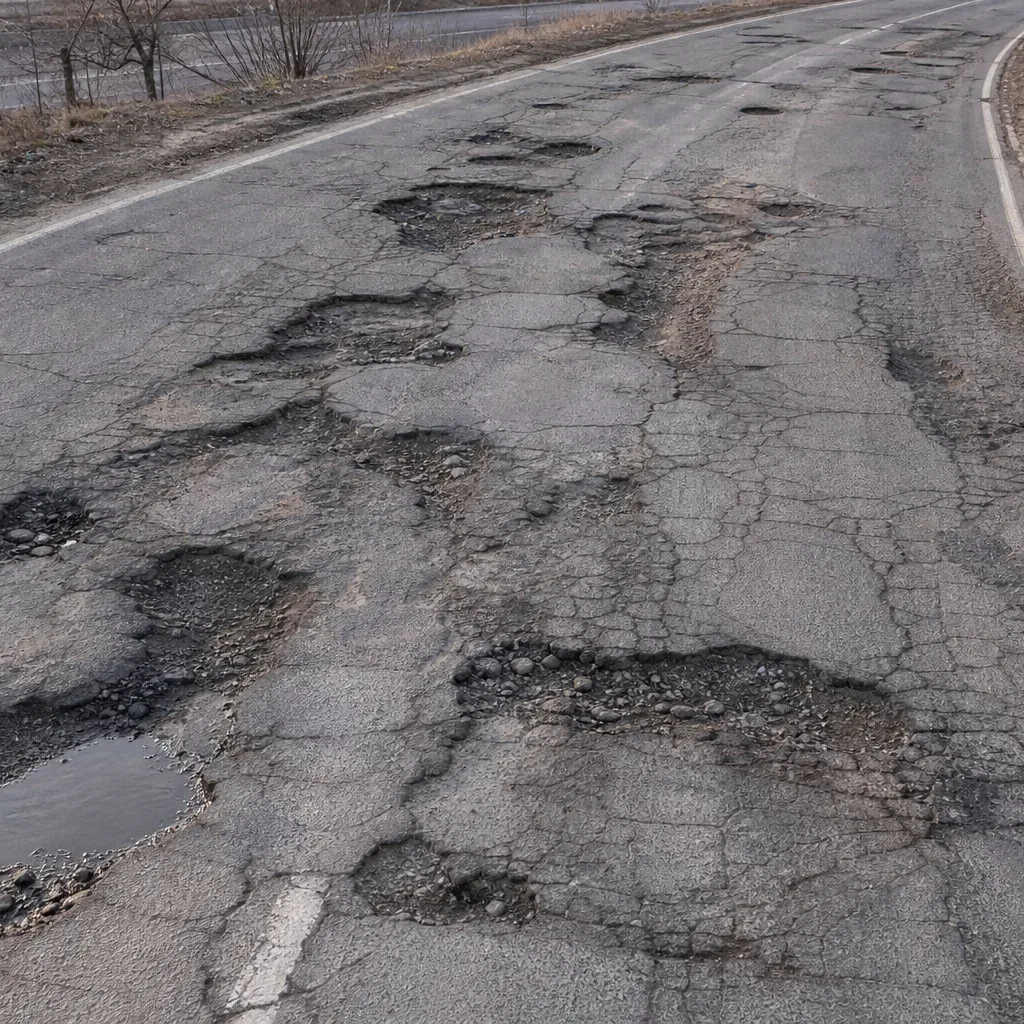
Poorly designed or maintained roads contribute to a subset of truck accidents. Dangerous on-ramp geometries, inadequate signage for steep grades, and potholes that destabilize heavy vehicles are all documented issues on certain stretches of Denver metro highways. When a government entity's negligence in road design or maintenance is a contributing cause, you may have a claim under the Colorado Governmental Immunity Act.
Those claims carry shorter notice deadlines, sometimes as tight as 180 days from the date of injury. Missing that window can permanently bar the claim. Acting quickly after an accident preserves both evidence and your legal options.
The Insurance Picture and Settlement Ranges
Because commercial carriers carry substantial mandatory insurance, serious truck accident settlements reflect that reality. Cases involving significant injuries in the Denver market typically settle in the range of $250,000–$1,000,000 or more, driven by medical costs, lost income, and long-term care needs.
Most Denver truck accident lawyers handle these cases on contingency, meaning no fee unless you recover. Standard rates run 33%–40% of the settlement or verdict, with the percentage sometimes rising if the case proceeds to trial. You pay nothing out of pocket to get representation started.
Acting Before the Deadline
Colorado's statute of limitations for personal injury claims is two years from the date of the accident under C.R.S. § 13-80-102. Wrongful death claims carry the same two-year window running from the date of death. Missing either deadline eliminates your right to sue, regardless of how strong your case is.
Two years sounds like a long time, but truck accident investigations require early action. Electronic logging data is often purged after six months. Surveillance footage from nearby businesses disappears faster. Witness memories fade.
Preserving evidence through spoliation letters and early discovery is something a qualified attorney handles in the first days after being retained, not months later.
Frequently Asked Questions
What Counts as Truck Driver Negligence in a Denver Accident?
Truck driver negligence includes violating FMCSA hours-of-service rules by driving while fatigued, following too closely, distracted driving, speeding, and operating under the influence of drugs or alcohol. In Colorado, a driver who breaks a federal safety regulation is often treated as negligent per se, which means the violation itself is evidence of negligence without requiring additional proof of carelessness.
Can I Sue the Trucking Company Directly, Not Just the Driver?
Yes. Trucking companies face direct liability for negligent hiring, inadequate driver training, poor vehicle maintenance, and failure to enforce federal safety rules. Even if the driver is partly at fault, the carrier can be sued separately for its own failures. Colorado courts allow claims against both the driver and the company in the same lawsuit.
What If a Defective Truck Part Caused the Accident?
If a brake failure, tire defect, or faulty steering component contributed to the crash, the manufacturer of that part or the maintenance shop that serviced the truck can be held liable under Colorado product liability law. Maintenance logs and inspection records are key evidence, and your attorney can subpoena them early in the process before they are destroyed or overwritten.
How Much Is a Commercial Truck Accident Settlement in Denver Worth?
Serious truck accident settlements in the Denver market typically range from $250,000 to $1,000,000 or more, depending on injury severity, lost income, and long-term care costs. Commercial carriers must carry at least $750,000 in liability insurance under federal rules, which means there is generally more coverage available than in a standard car accident claim.
How Long Do I Have to File a Truck Accident Claim in Colorado?
Colorado's statute of limitations for personal injury claims is two years from the date of the accident under C.R.S. § 13-80-102. Wrongful death claims also carry a two-year deadline running from the date of death. If a government entity is involved, a notice of claim may be required within 180 days, so acting quickly after the accident is essential.