Denver Car Accident Attorneys - What to Do After a Crash
The First Hours Matter Most
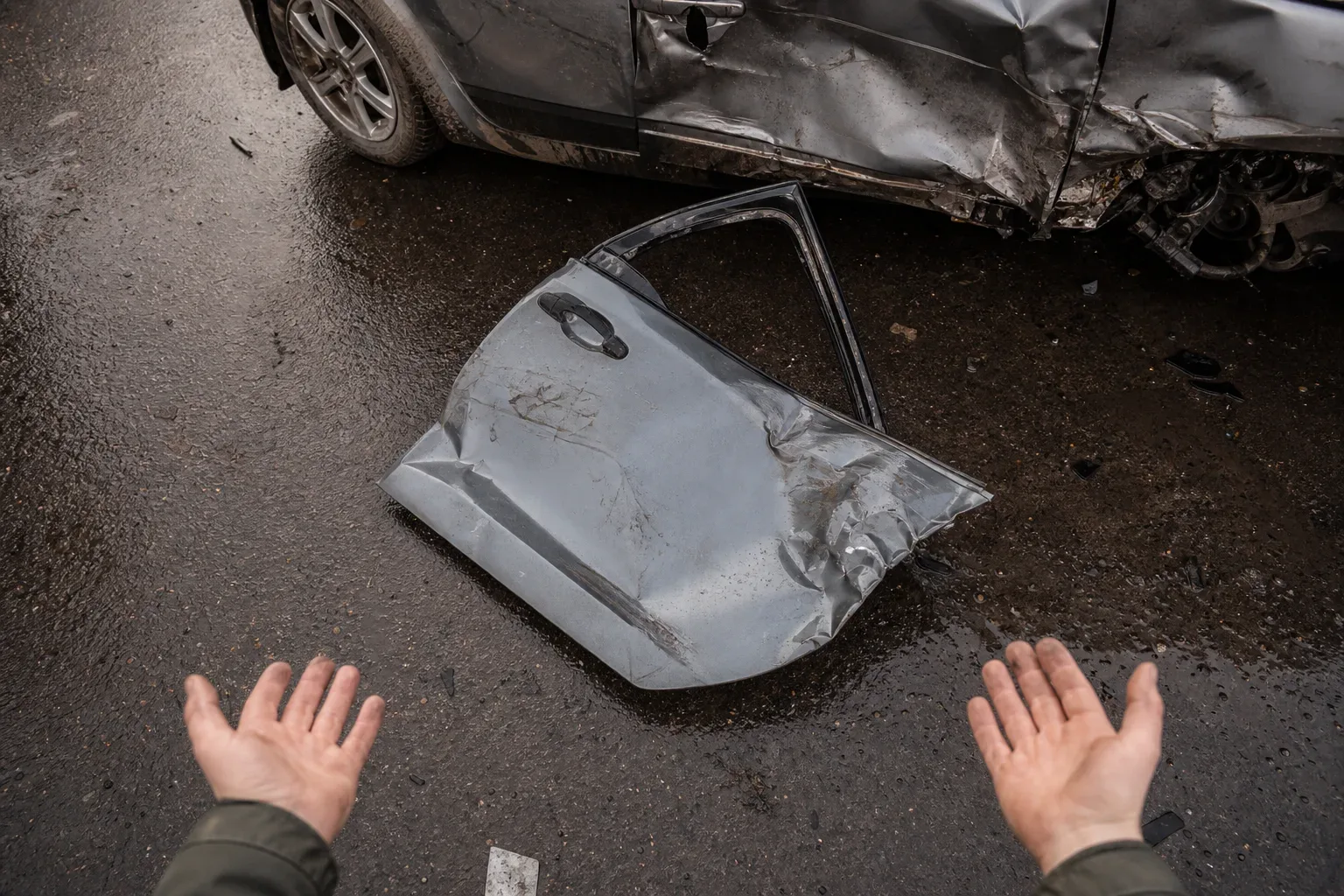
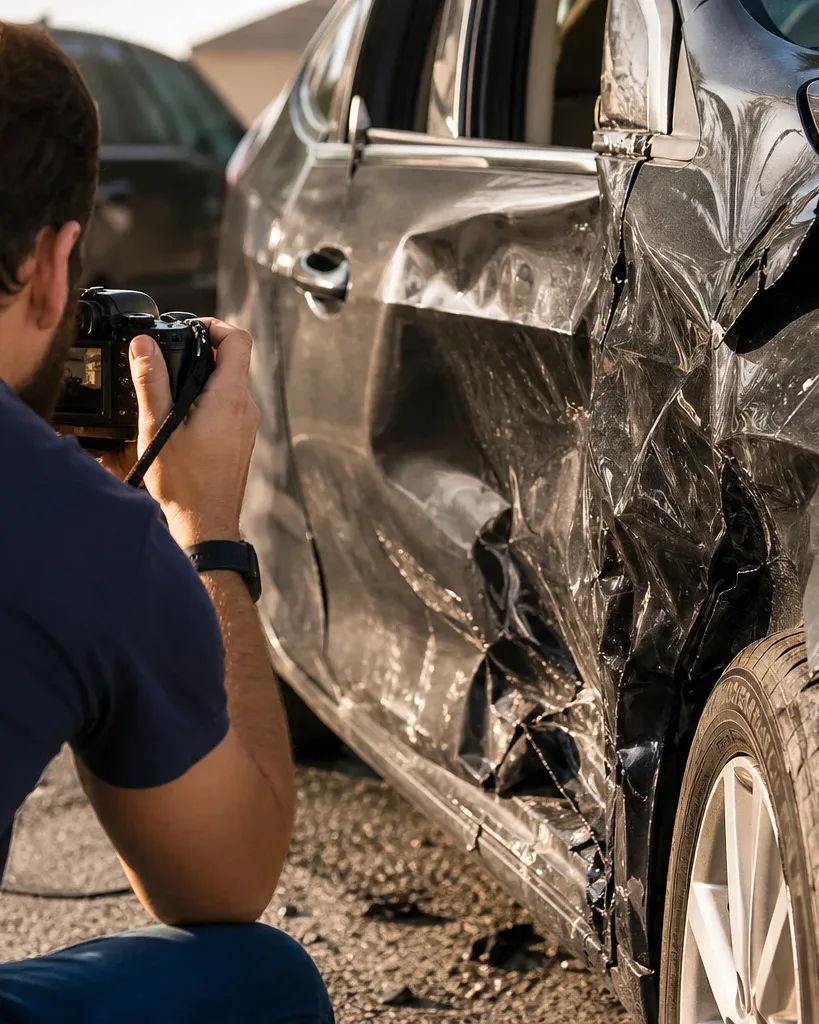
A car crash in Denver can flip your life upside down in seconds. What you do in the hours immediately after determines how strong your legal claim will be. Call 911 even if the collision looks minor, because a police report creates an official record that insurers and courts rely on heavily. While you wait for officers to arrive, photograph every vehicle, every skid mark, and every visible injury.
Exchange insurance and contact information with every driver involved. Colorado requires motorists to carry at least $25,000 per person, $50,000 per accident, and $15,000 in property damage liability coverage. Knowing the at-fault driver's policy limits early helps your attorney assess how much compensation is actually reachable.
Seek medical care the same day, even if you feel fine. Adrenaline masks pain, and injuries like whiplash or internal bleeding may not produce obvious symptoms for 24–72 hours. A same-day medical record ties your injuries directly to the crash, closing the gap that defense attorneys love to exploit.
Why Colorado's Fault Rules Change Your Strategy
Colorado is an at-fault state, meaning the driver who caused the crash is financially responsible for resulting injuries and property damage. That sounds straightforward, but insurers routinely argue that you share some of the blame.
Colorado follows modified comparative negligence under C.R.S. § 13-21-111. Your compensation is reduced by your percentage of fault, and you are completely barred from recovering anything if you are found 50% or more responsible. A Denver car accident attorney works to document the facts clearly so your share of fault stays as low as possible.
What the Insurance Company Won't Tell You
Adjusters are trained to settle claims fast and cheap. They may call within days of your crash, sound sympathetic, and offer a number that feels reasonable before you know the full extent of your injuries. Accepting that early offer usually means signing away your right to further compensation.
Never give a recorded statement to the opposing insurer without legal counsel present. Anything you say can be reframed to suggest you contributed to the crash. A lawyer handles that communication for you, protecting the record.
How Much Can You Sue for a Car Accident in Denver
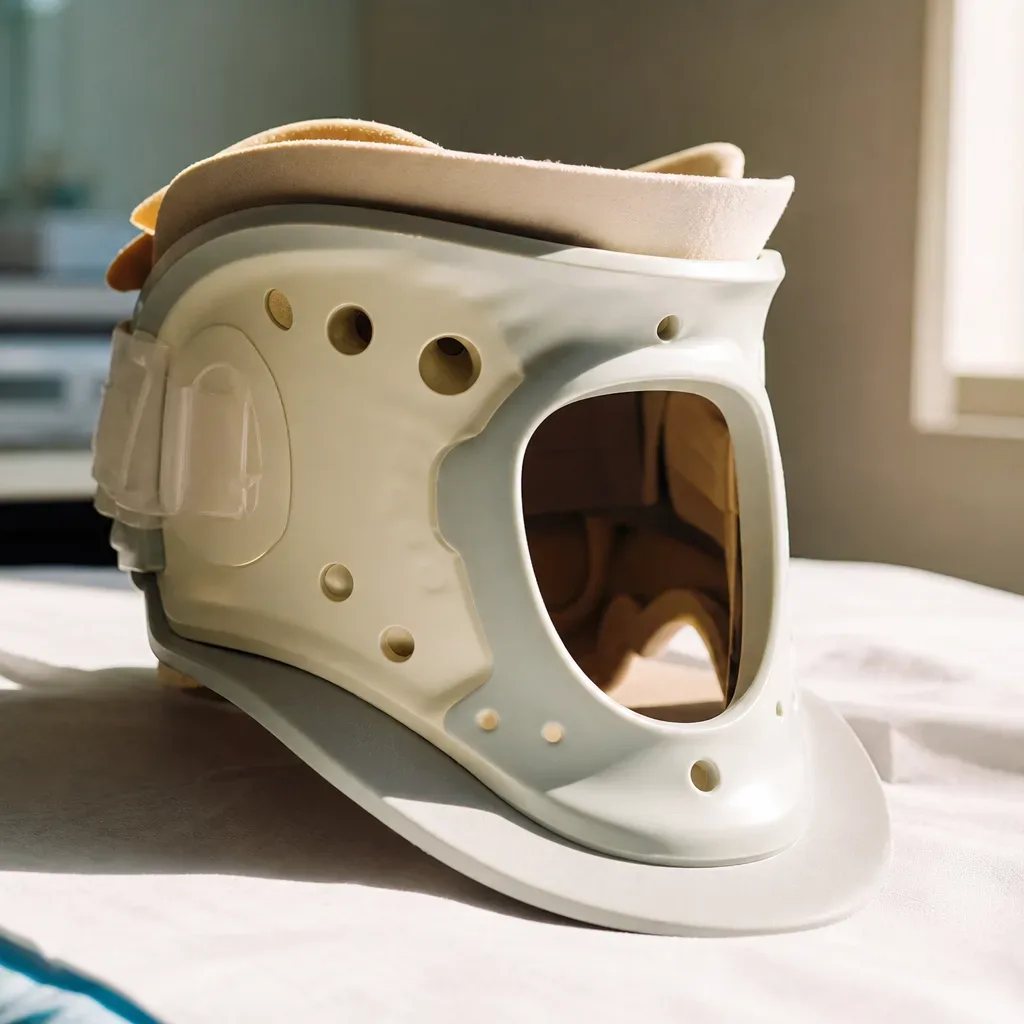
The amount depends on injury severity, liability clarity, and available insurance coverage. For minor to moderate injuries, settlements in the Denver market typically fall between $15,000 and $75,000. Damages at that level usually cover medical bills, lost wages, and general pain and suffering for soft-tissue and moderate orthopedic injuries.
For serious or catastrophic injuries, including spinal cord damage, traumatic brain injury, or severe fractures, compensation regularly reaches well above $100,000. Cases involving permanent disability or prolonged rehabilitation carry the highest values because future medical costs and lost earning capacity factor in alongside past losses.
Economic damages are calculated using actual bills, pay stubs, and expert projections. Non-economic damages, such as pain, emotional distress, and loss of enjoyment of life, are argued based on how the injury has changed your daily reality. Your attorney builds a documented picture of both categories to present a complete demand.
Denver Truck Accident Attorney - A Different Set of Rules
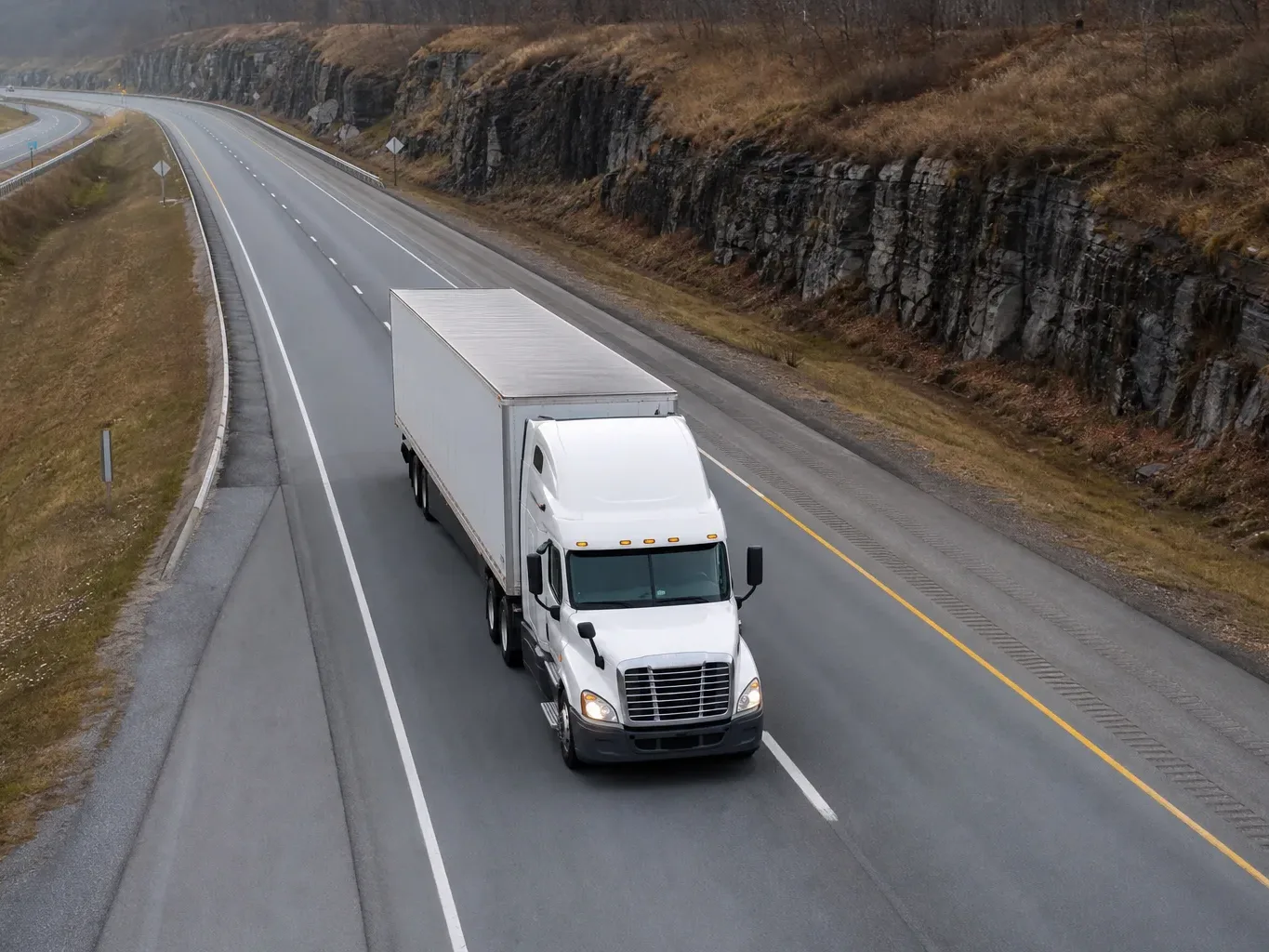
Crashes involving commercial trucks are legally distinct from standard car accidents. Federal Motor Carrier Safety Administration rules govern trucking companies, and their insurers carry significantly higher policy limits. Under FMCSA requirements, general freight carriers must maintain at least $750,000 in liability coverage, while hazardous materials trucks can carry up to $5,000,000.
Those higher limits mean more potential compensation, but also more aggressive defense teams funded by large commercial insurers. Serious truck accident claims in Colorado often settle in the range of $250,000–$1,000,000 or more, reflecting both the severity of big-rig crashes and the depth of available coverage.
A truck accident investigation moves fast because critical evidence disappears quickly. Electronic logging device data, black box records, and driver qualification files must be preserved through a legal hold letter sent within days of the crash. Missing that window can cripple a claim that would otherwise be strong.
Why Trucking Cases Involve Multiple Defendants
The driver is rarely the only liable party. The trucking company, the cargo loader, the truck's maintenance contractor, and even the vehicle manufacturer may each carry a share of responsibility. Your attorney investigates every link in that chain to build the broadest possible case.
The Timeline You Can't Ignore
Colorado's statute of limitations for personal injury claims is two years from the date of the accident under C.R.S. § 13-80-102. Missing that deadline almost always means losing your right to compensation permanently, regardless of how strong your case is.
Two years sounds like plenty of time, but building a thorough claim takes months. Medical treatment must be substantially complete before a final demand goes out. Expert witnesses need time to prepare opinions. Negotiation with insurers can take weeks or longer.
Starting early gives your attorney room to investigate properly, gather records, and negotiate from a position of strength rather than urgency. Cases filed close to the deadline often settle for less because the pressure is obvious.

What to Look for in a Denver Car Accident Attorney
Experience handling Colorado insurance disputes matters more than a flashy website. Ask specifically about trial experience, because attorneys who actually take cases to verdict negotiate better settlements. Insurers know which lawyers will push back and which will settle early.
Most Denver car accident lawyers work on contingency, charging 33%–40% of the final settlement or verdict. You pay nothing upfront, and no fee is owed if there is no recovery. That structure aligns the lawyer's interest directly with yours.
Look for a firm that responds within 24 hours of initial contact. Prompt communication at the intake stage usually predicts how the firm handles your case throughout. Ask about case volume per attorney, not just firm size, because an overloaded lawyer is a slow lawyer.
Frequently Asked Questions
How Much Can You Sue for a Car Accident in Denver?
It depends on injury severity and available coverage. Minor to moderate injuries typically settle for $15,000–$75,000 in the Denver market. Serious or catastrophic injuries can push well above $100,000, especially when future medical costs and lost earning capacity are factored in. Colorado's modified comparative negligence rule can reduce your recovery if you share any fault, so documentation of the other driver's liability is critical.
When Should I Contact a Denver Truck Accident Attorney?
Contact one as soon as possible after the crash, ideally within the first 24–48 hours. Electronic logging device data, black box records, and inspection reports can be overwritten or lost quickly. A lawyer can send a legal hold letter to preserve that evidence. Truck accident claims also involve multiple potential defendants, including the trucking company and cargo loaders, which takes additional time to investigate properly.
How Long Do I Have to File a Car Accident Claim in Colorado?
Colorado's statute of limitations for personal injury claims is two years from the date of the accident under C.R.S. § 13-80-102. Missing that deadline almost always bars you from recovering any compensation. Starting your claim early gives your attorney time to gather records, complete your medical treatment, and negotiate effectively rather than under deadline pressure.
Do I Have to Pay Upfront for a Denver Car Accident Attorney?
No. Most Denver car accident lawyers work on a contingency fee basis, meaning you pay nothing unless you recover compensation. The standard fee ranges from 33%–40% of the settlement or verdict, and the percentage can increase if the case proceeds to trial. There is no fee at all if the case does not result in a recovery.
What Should I Avoid Saying to the Insurance Company After a Denver Crash?
Avoid giving a recorded statement to the opposing driver's insurer without your attorney present. Adjusters use recorded statements to find language that suggests you contributed to the accident, which can reduce or eliminate your recovery under Colorado's comparative fault rules. Let your attorney handle that communication from the start to protect the official record of your claim.