How Long Do You Have to File a Slip and Fall Lawsuit in Colorado?
Colorado gives most slip and fall victims exactly two years to file a personal injury lawsuit. That deadline is set by C.R.S. § 13-80-102 and runs from the date you were injured. Miss it, and the court will almost certainly dismiss your case regardless of how serious your injuries are or how clear the property owner's negligence was.

How Long to File a Slip and Fall Claim Colorado
Two years from the date of injury is the standard deadline for slip and fall claims in Colorado under C.R.S. § 13-80-102. For most adults injured on someone else's property, that clock starts ticking the moment the fall happens, not the date you first visit a doctor or realize the injury is serious.
Two years can feel like plenty of time, but investigations slow down, witnesses forget details, and surveillance footage gets overwritten within days or weeks. Acting early preserves the evidence that actually wins cases.
When the Clock Might Start Later
A handful of exceptions can shift when the two-year period begins. The discovery rule allows the clock to start when you reasonably discovered (or should have discovered) the injury, which matters most when a serious internal injury isn't obvious right away. If the injured person was a minor at the time of the fall, the two-year period generally does not begin until they turn 18.
Claims against a Colorado government entity, such as a fall on a Denver city sidewalk or inside a public building, follow a different path entirely. Under the Colorado Governmental Immunity Act, you must file a written notice of claim within 182 days of the injury before you can sue. Missing that shorter notice window can permanently bar your claim even though the two-year statute hasn't expired yet.
Colorado Slip and Fall Statute of Limitations - Key Details
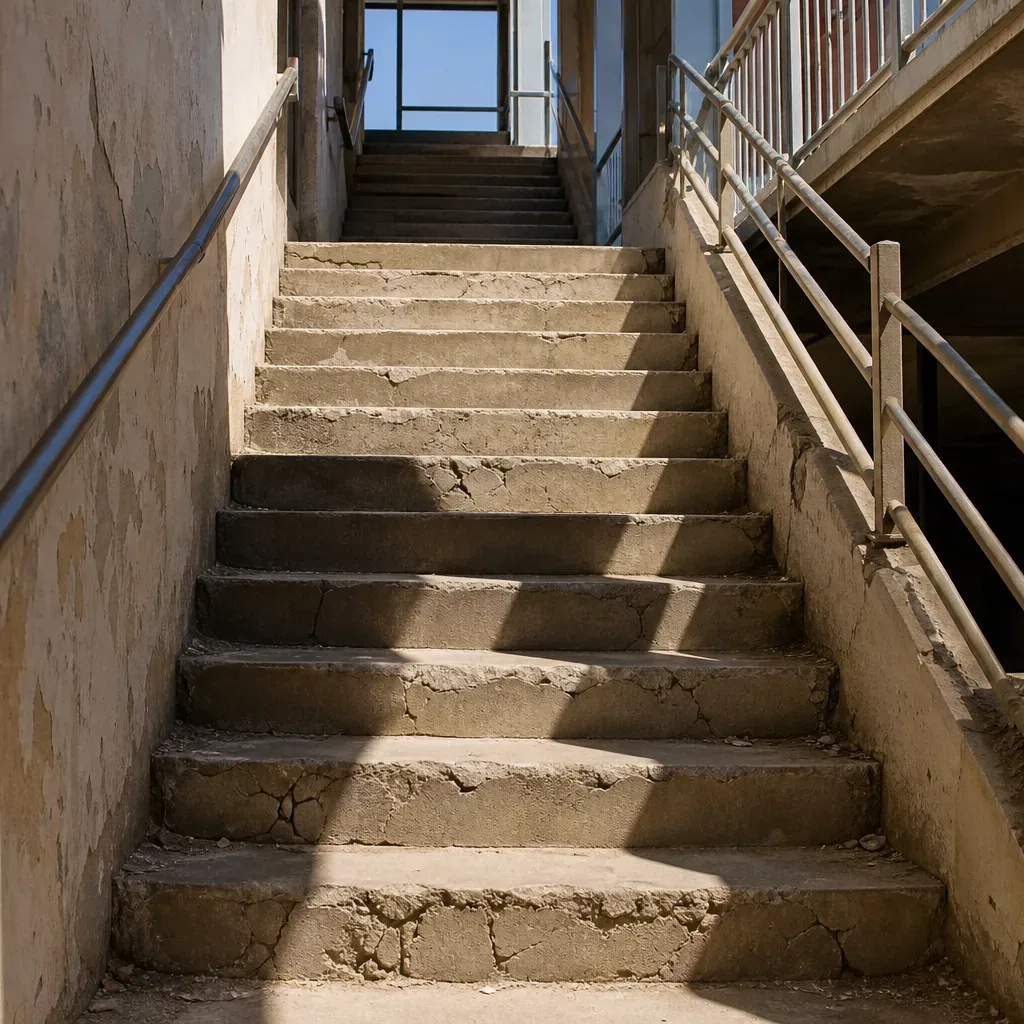
The Colorado slip and fall statute of limitations is two years, and courts enforce it strictly. A few other details matter beyond the raw deadline.
Colorado follows a modified comparative negligence rule under C.R.S. § 13-21-111. If you were partly responsible for your fall, your compensation is reduced by your percentage of fault. You are still eligible to recover damages as long as your share of fault stays below 50 percent. At exactly 50 percent or more, recovery is barred entirely.
The duty a property owner owes you also depends on why you were there. Under C.R.S. § 13-21-115, landowners owe the highest duty to invitees (customers in a store, for example), a lesser duty to licensees (social guests), and a much more limited duty to trespassers. Your legal status on the property shapes what you need to prove, so identifying it early in your case matters.
What Counts as a Slip and Fall Case
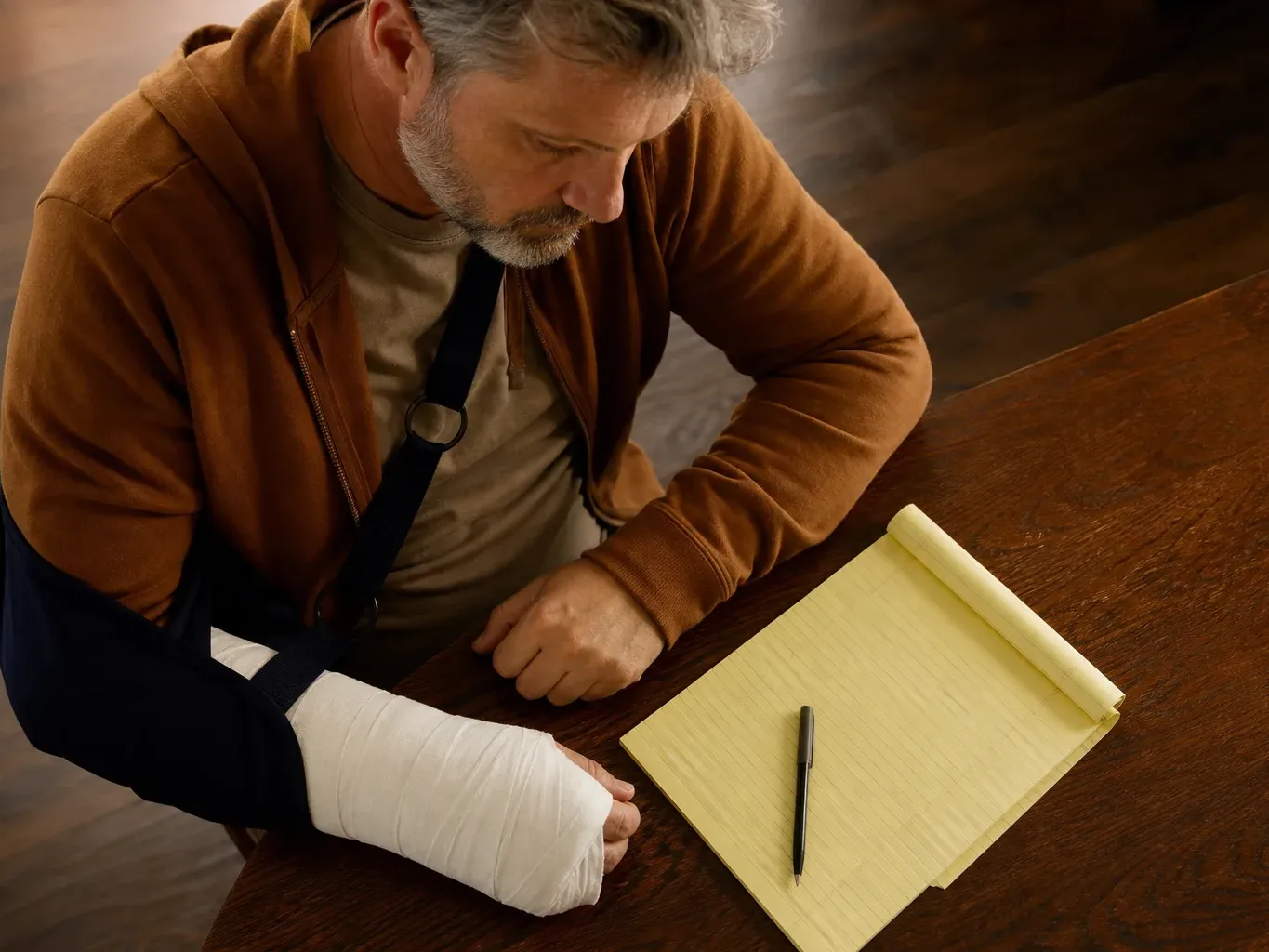
Premises liability covers more than the classic wet-floor scenario. Broken stairs, uneven pavement, inadequate lighting, loose handrails, and icy parking lots all appear regularly in Denver slip and fall claims. The core question is whether the property owner knew or should have known about a dangerous condition and failed to fix it or warn visitors.
Common injuries include fractured wrists and hips from bracing a fall, knee and shoulder tears, and traumatic brain injuries from striking the ground. These often require surgery, physical therapy, and extended time off work, which is why settlement values for serious cases in the Denver market typically fall in the $30,000–$150,000 range, though more severe injuries can exceed that significantly.

Why the Two-Year Deadline Is Easier to Miss Than It Looks
Many injured people wait to see if their pain resolves on its own, then spend months negotiating directly with an insurance adjuster, and suddenly find themselves close to the deadline with no lawsuit filed. Insurance companies know the deadline exists. Adjusters sometimes string negotiations along specifically hoping time runs out.
Filing a lawsuit doesn't mean a case automatically goes to trial. Most slip and fall claims resolve through settlement, but having an active lawsuit on file changes the negotiating dynamic and protects your right to recover.
Steps to Take Immediately After a Fall
Report the fall to the property owner or manager before you leave the premises, and get a written incident report if one is offered. Photograph the hazard, your injuries, and the surrounding area from multiple angles. Collect contact information from anyone who witnessed the fall.
Seek medical attention the same day, even if pain seems mild. A documented medical record from close to the date of injury connects your diagnosis to the fall, which the defense will otherwise question. Preserve any clothing or footwear you were wearing, since condition and sole wear can become evidence.
How a Denver Slip and Fall Lawyer Can Help
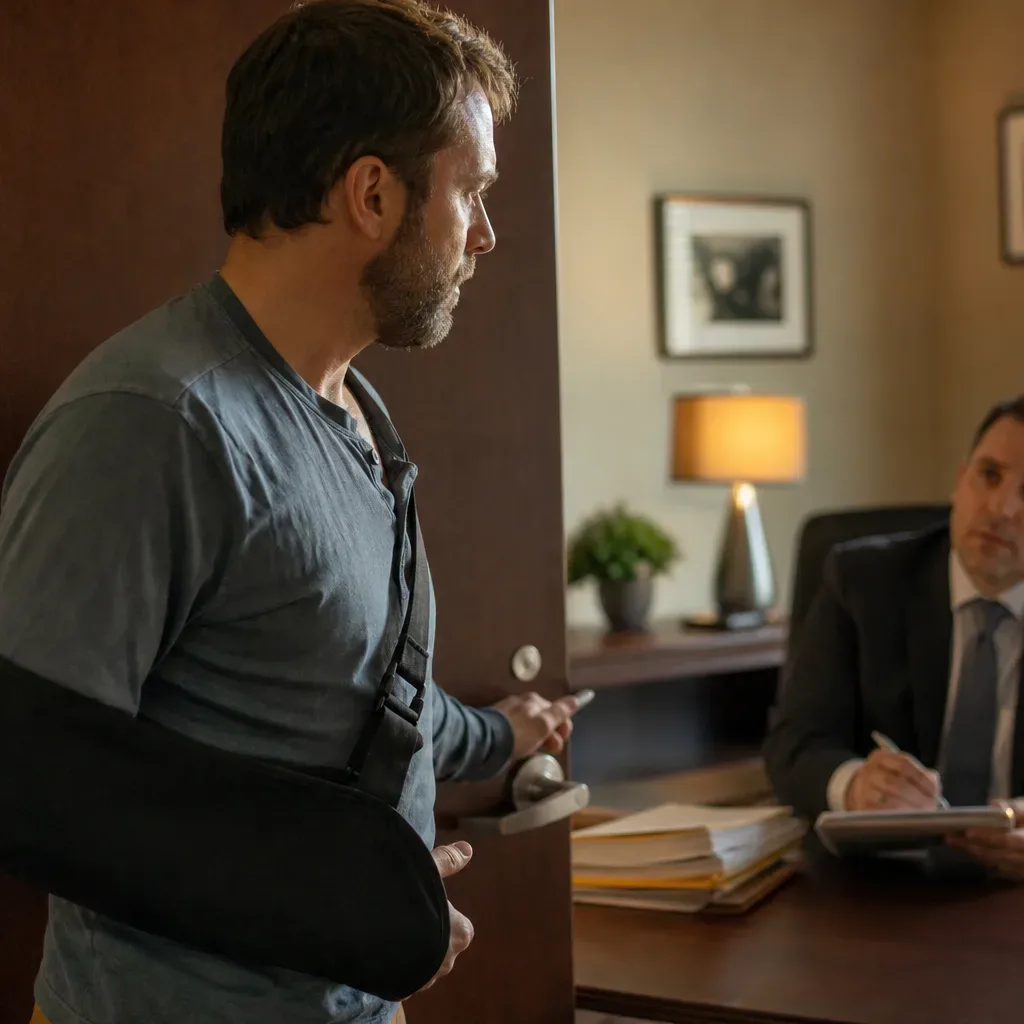
A personal injury lawyer familiar with Denver premises liability cases can request surveillance footage before it's deleted, send preservation letters to the property owner, obtain maintenance logs, and identify all potentially liable parties, including property management companies and contractors. Acting within the first few weeks after a fall is far more productive than waiting months.
Most Denver personal injury lawyers handle slip and fall cases on a contingency fee basis, meaning you pay no upfront costs. Standard fees run 33%–40% of the final settlement or verdict, and if there is no recovery, there is no fee. That structure lets injured people access legal representation without paying out of pocket while recovering from serious injuries.
If your fall happened on government-owned property anywhere in the Denver metro area, the 182-day notice requirement makes consulting a lawyer quickly even more critical. That window closes in about six months, well before the two-year lawsuit deadline even becomes relevant.
Frequently Asked Questions
How Long to File a Slip and Fall Claim in Colorado?
You have two years from the date of injury to file a slip and fall lawsuit in Colorado under C.R.S. § 13-80-102. If your fall happened on government property, a separate 182-day written notice requirement applies before you can sue, so that shorter deadline takes priority.
What Is the Colorado Slip and Fall Statute of Limitations?
The Colorado slip and fall statute of limitations is two years from the date the injury occurred, set by C.R.S. § 13-80-102. Courts enforce this deadline strictly, and missing it typically results in your case being dismissed regardless of how strong the evidence is.
Does the Two-year Deadline Change If a Minor Was Injured in a Slip and Fall?
Yes. When the injured person is a minor, the two-year statute of limitations generally does not begin until they turn 18. That means a child injured in a slip and fall at age 10 would typically have until age 20 to file, though consulting a lawyer is advisable to confirm the exact timeline based on case specifics.
What Is the Typical Settlement Range for a Slip and Fall Case in Denver?
Slip and fall settlements in the Denver market typically range from $30,000 to $150,000 for cases with clear liability and significant injuries. Factors like the severity of the injury, how clearly the property owner was at fault, and your percentage of comparative negligence all affect the final amount.
How Does Colorado's Comparative Negligence Rule Affect a Slip and Fall Claim?
Colorado uses a modified comparative negligence rule under C.R.S. § 13-21-111. If you share some responsibility for the fall, your compensation is reduced by your percentage of fault. You can still recover damages as long as your fault is below 50 percent; at 50 percent or more, recovery is barred entirely.