Colorado Premises Liability Law Explained

How Property Owners Are Held Accountable
Colorado premises liability law sets the rules for when a property owner or occupier can be held legally responsible for injuries that happen on their land or in their building. The governing statute is C.R.S. § 13-21-115, and it applies to nearly every type of property: grocery stores, apartment complexes, parking lots, private homes, and commercial construction sites. Unlike general negligence claims, premises liability in Colorado is governed almost entirely by this specific statute rather than common-law principles. That distinction matters because the statute defines your rights and the property owner's duties with precision.
What Is Premises Liability in Colorado
Premises liability in Colorado is a statutory cause of action that allows an injured person to seek compensation from a landowner or occupier when a dangerous condition on the property caused the injury.
The law recognizes that not every visitor to a property carries the same legal status, and the duty owed depends on which category applies to you. There are three categories under C.R.S. § 13-21-115: invitee, licensee, and trespasser. Getting the category right is one of the first things a Denver personal injury lawyer will analyze.
Invitees
An invitee is someone who enters property with express or implied permission for a purpose connected to the owner's business or for a purpose for which the land is held open to the public. Customers in a retail store, patrons at a Denver Broncos game, or visitors to a museum all qualify. Landowners owe invitees the highest duty: they must use reasonable care to inspect the premises, discover dangers, and either fix them or warn of them.
Licensees
A licensee enters property with permission but for their own purposes rather than the owner's business interests. A social guest at a private home is the classic example. Owners owe licensees a duty to exercise reasonable care for dangers the owner actually knows about, rather than a duty to actively inspect for hidden hazards.
Trespassers
A trespasser enters without any permission. Owners are not permitted to willfully or deliberately cause injury to a trespasser, but they carry no duty to maintain safe conditions for someone entering illegally. A narrow exception exists for child trespassers under the attractive nuisance doctrine, which can apply when a property feature like an unfenced pool or machinery lures young children onto the land.
How Comparative Fault Affects Your Claim
Colorado follows a modified comparative negligence rule under C.R.S. § 13-21-111. A court can assign a percentage of fault to each party, and your damages are reduced by your own share of fault. If you are found 30% responsible for a fall because you ignored a clearly marked wet floor sign, your final award shrinks by 30%.
The critical threshold is 50%. If you are found to be 50% or more at fault, you are completely barred from recovering any compensation. Defense attorneys in Denver frequently argue that injured visitors were inattentive or ignored obvious hazards, making this a common battleground in premises liability cases.


Common Types of Premises Liability Claims in Denver
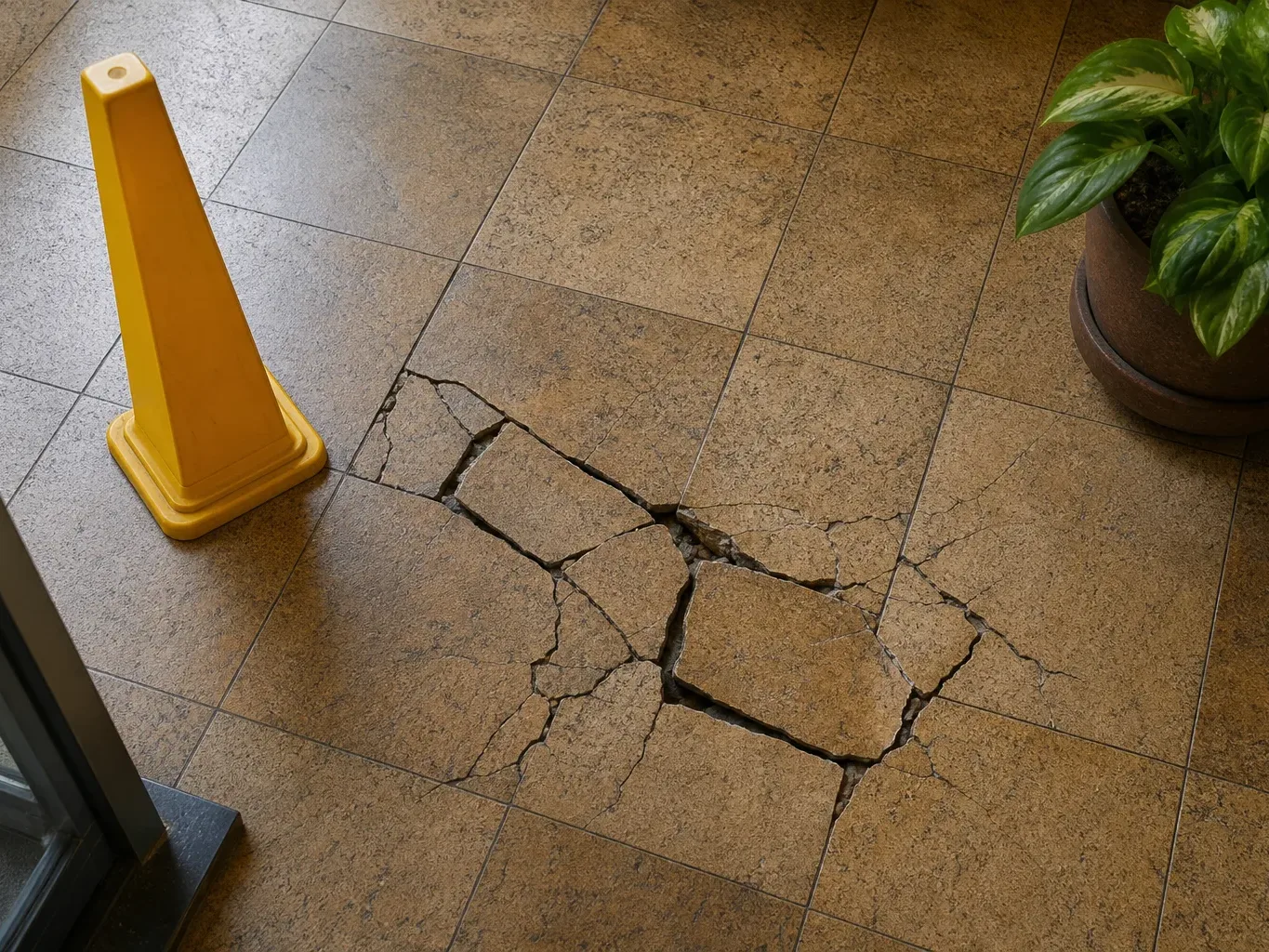
Slip and fall accidents are the most frequent premises liability claim, often occurring on icy sidewalks outside Denver businesses during winter months or on wet floors inside stores. Typical settlements for slip and fall injuries range from $30,000 to $150,000, depending on how clearly liability can be established and the severity of the injury.
Other common claims include:
- Negligent security: Assault or robbery in a parking garage or apartment building where adequate lighting, locks, or security personnel were absent
- Swimming pool accidents: Unmarked depth changes, missing drain covers, or a complete lack of barriers around a pool
- Falling objects and structural defects: Ceiling collapses, broken stairs, or unsecured shelving in commercial settings
- Dog bites: Colorado holds dog owners strictly liable for bites that break the skin, creating a separate but related premises exposure
What You Need to Prove
To succeed under Colorado premises liability law, you generally need to establish four things. First, the defendant owned, occupied, or controlled the property. Second, you were an invitee or licensee at the time (or, in rare circumstances, a protected trespasser). Third, a dangerous condition existed on the property.
Fourth, that condition caused your injury and your resulting damages.
Documentation is critical from day one. Photographs of the hazard, incident reports filed at the scene, medical records connecting the injury to the fall or accident, and witness statements all strengthen the claim. Denver courts have seen cases lost simply because the injured person failed to preserve evidence of the dangerous condition before it was repaired.
Colorado Premises Liability Statute of Repose
Colorado's statute of repose for construction-related premises liability claims bars any action brought more than eight years after the substantial completion of an improvement to real property, under C.R.S. § 13-80-127.
This is distinct from the standard statute of limitations. The statute of repose applies specifically to claims arising from defects in the design, planning, supervision, or construction of improvements to real property. If a building's staircase was defectively constructed fifteen years ago and you fall on it today, the repose period may extinguish your claim against the original builder or architect regardless of when the injury occurred.
For general premises liability personal injury claims that do not involve construction defects, the standard statute of limitations in Colorado is two years from the date of injury under C.R.S. § 13-80-102. Missing that two-year deadline almost always ends your right to sue, no matter how strong the underlying facts are.
Working with a Denver Premises Liability Lawyer
Premises liability cases involve layered legal and factual questions: visitor status, notice of the dangerous condition, comparative fault, and whether exceptions like the statute of repose apply. Handling these without experienced legal guidance is genuinely difficult.
Most Denver personal injury lawyers handle premises liability cases on contingency, meaning no fee if there is no recovery. If the case settles or proceeds to a verdict, the attorney's fee typically falls between 33% and 40% of the total recovery, with the percentage rising if the case goes to trial. After an inquiry, a reputable firm will respond within 24 hours to review the facts and explain your options.
Documenting the scene, preserving witness information, and getting medical treatment immediately after an accident are the three steps that most directly affect whether a claim can be built. Acting quickly also protects you against the two-year filing deadline, which runs from the date of injury regardless of how long recovery takes.

Frequently Asked Questions
What Is Premises Liability in Colorado?
Premises liability in Colorado is a statutory cause of action under C.R.S. § 13-21-115 that allows an injured person to seek compensation from a landowner or occupier when a dangerous condition on the property caused the injury. The duty owed depends on whether the injured person was an invitee, licensee, or trespasser at the time of the incident.
What Is the Colorado Premises Liability Statute of Repose?
Under C.R.S. § 13-80-127, Colorado's statute of repose bars construction-related premises liability claims brought more than eight years after substantial completion of an improvement to real property. This applies to claims against builders, architects, and designers, and runs regardless of when the injury actually occurred.
How Long Do You Have to File a Premises Liability Claim in Colorado?
For most premises liability personal injury claims, Colorado law gives you two years from the date of injury under C.R.S. § 13-80-102. Missing this deadline almost always bars any recovery, so it is important to consult a Denver premises liability lawyer promptly after an accident.
What Is the Difference Between an Invitee and a Licensee in Colorado Premises Liability Law?
An invitee enters property with permission for a purpose connected to the owner's business or because the property is open to the public, such as a retail customer. A licensee enters with permission for their own purposes, like a social guest. Landowners owe invitees a higher duty of care, including an obligation to inspect for and correct hazards, while the duty to licensees covers only dangers the owner already knows about.
How Does Comparative Fault Affect a Colorado Premises Liability Case?
Colorado uses modified comparative negligence under C.R.S. § 13-21-111. Your damages are reduced by your percentage of fault, but if you are found to be 50% or more at fault, you cannot recover anything. Defense attorneys frequently argue that an injured visitor ignored visible warning signs or was inattentive, making your own conduct a central issue in most Denver premises liability claims.