Denver I-70 Mountain Corridor Truck Accident Claims
Why I-70 Produces Serious Truck Crashes
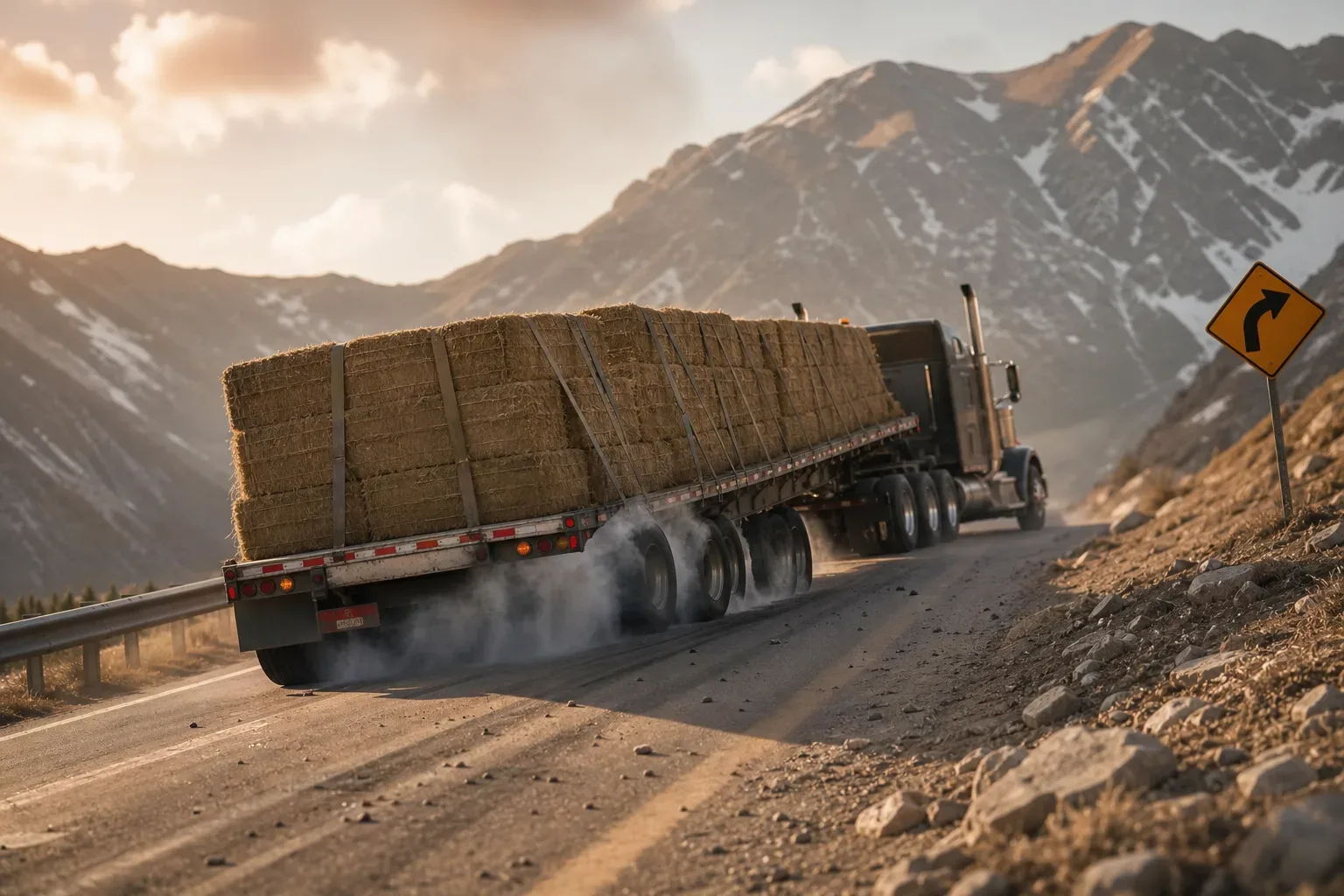
The stretch of Interstate 70 running west of Denver through the Rocky Mountains is one of the most demanding freight corridors in the country. Grades exceeding 6% on Eisenhower Tunnel approaches, tight switchbacks through Glenwood Canyon, and unpredictable weather create conditions that overwhelm even experienced commercial drivers. Add heavy loaded semis and flatbeds hauling cargo to and from Denver's distribution hubs, and the risk of catastrophic collisions rises sharply.
Colorado's mountain passes also strip away the margin for error that flatter roads provide. A brake failure at 11,000 feet leaves almost no recovery distance, and when a loaded 80,000-pound rig loses control, the results are rarely minor.

What Causes Most Truck Accidents on I-70
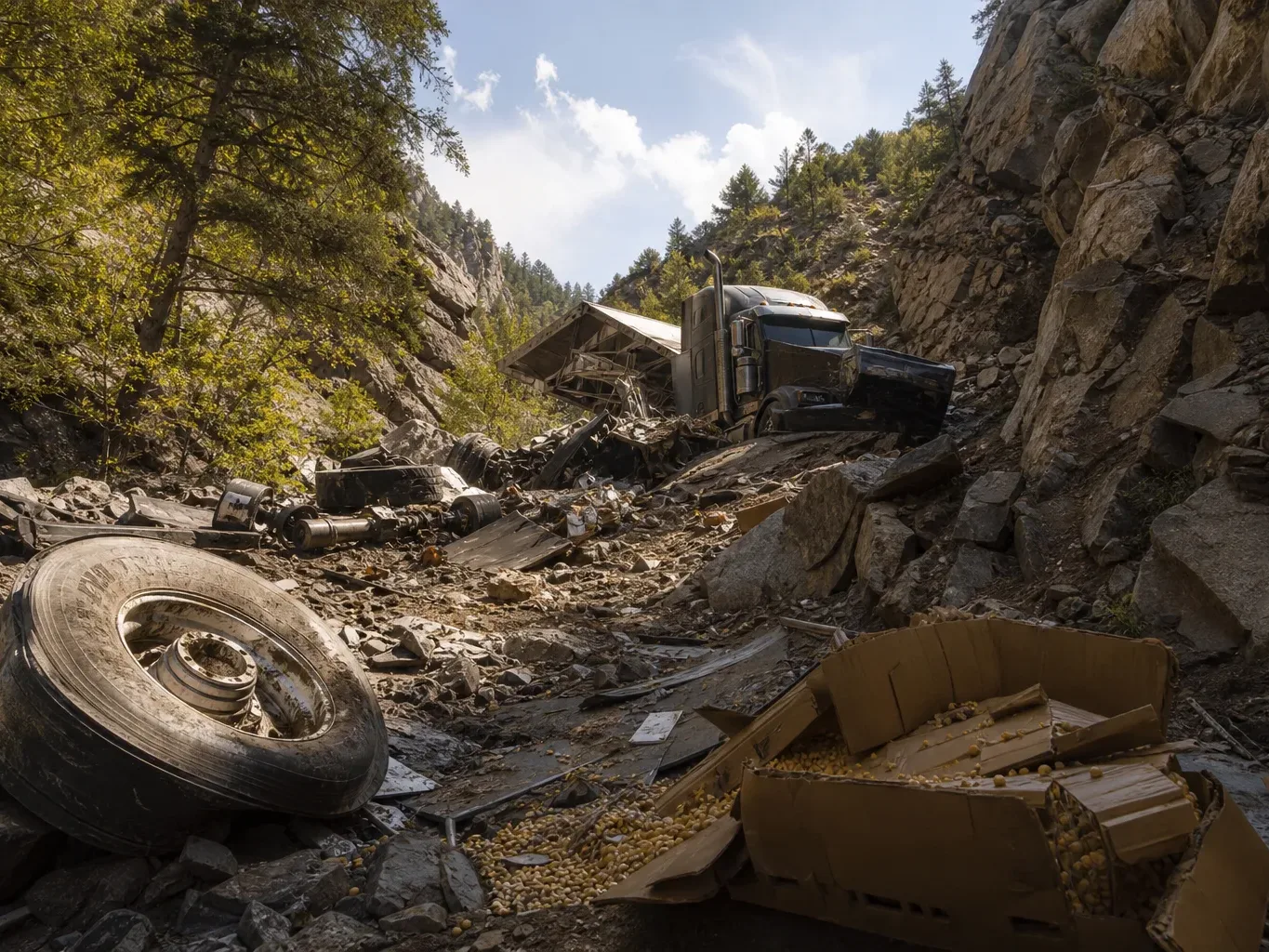
Brake failure and speed mismanagement on steep descents account for the largest share of I-70 mountain corridor truck crashes. Runaway truck ramps exist along the corridor precisely because brake fade is a documented and recurring hazard. Beyond brake problems, the most common contributing factors include:
- Driver fatigue: Federal Hours of Service rules cap driving time, but violations are common, and mountain driving demands intense sustained focus.
- Improper cargo securement: Shifting loads raise a trailer's center of gravity and can cause rollovers on banked curves.
- Weather-related loss of control: Black ice, sudden snowstorms, and reduced visibility near the Eisenhower-Johnson Tunnels catch drivers who fail to reduce speed or chain up.
- Mechanical neglect: Pre-trip inspections are federally mandated, yet carriers sometimes defer maintenance to meet delivery schedules.
- Distracted or impaired driving: Phone use and fatigue-induced microsleep remain persistent problems regardless of terrain.
Identifying the true cause matters because it determines which parties are legally responsible, and in a commercial trucking case that list can be long.
Filing an I-70 Truck Accident Claim in Colorado
Pursuing an I-70 truck accident claim in Colorado means dealing with multiple insurance policies, federal regulations, and a strict two-year statute of limitations under C.R.S. § 13-80-102. Missing that deadline eliminates your right to recover, even if liability is clear. Start the process as close to the crash date as possible.
Parties Who May Share Liability
A semi-truck crash rarely involves just one responsible party. Colorado's modified comparative negligence rule under C.R.S. § 13-21-111 allows you to recover damages as long as you are less than 50% at fault. Your recovery is reduced by your share of fault, but the key is identifying every defendant who contributed.
Potential defendants in a mountain corridor truck case include:
- The driver, for violations of Hours of Service rules or reckless driving
- The trucking company, for negligent hiring, inadequate training, or pressuring drivers to exceed legal hours
- A cargo loading company, if improperly secured freight caused or contributed to the crash
- A maintenance contractor, if outsourced brake or tire work was defective
- Potentially the Colorado Department of Transportation, if a road defect such as a failed runaway ramp played a role
Federal Regulations That Shape Your Case
Commercial carriers operating on I-70 fall under Federal Motor Carrier Safety Administration rules. Those rules set minimum insurance floors of $750,000 for general freight and up to $5,000,000 for hazmat loads. That coverage is substantially higher than Colorado's $25,000 per person minimum for private passenger vehicles, which is why truck accident settlements tend to be larger.
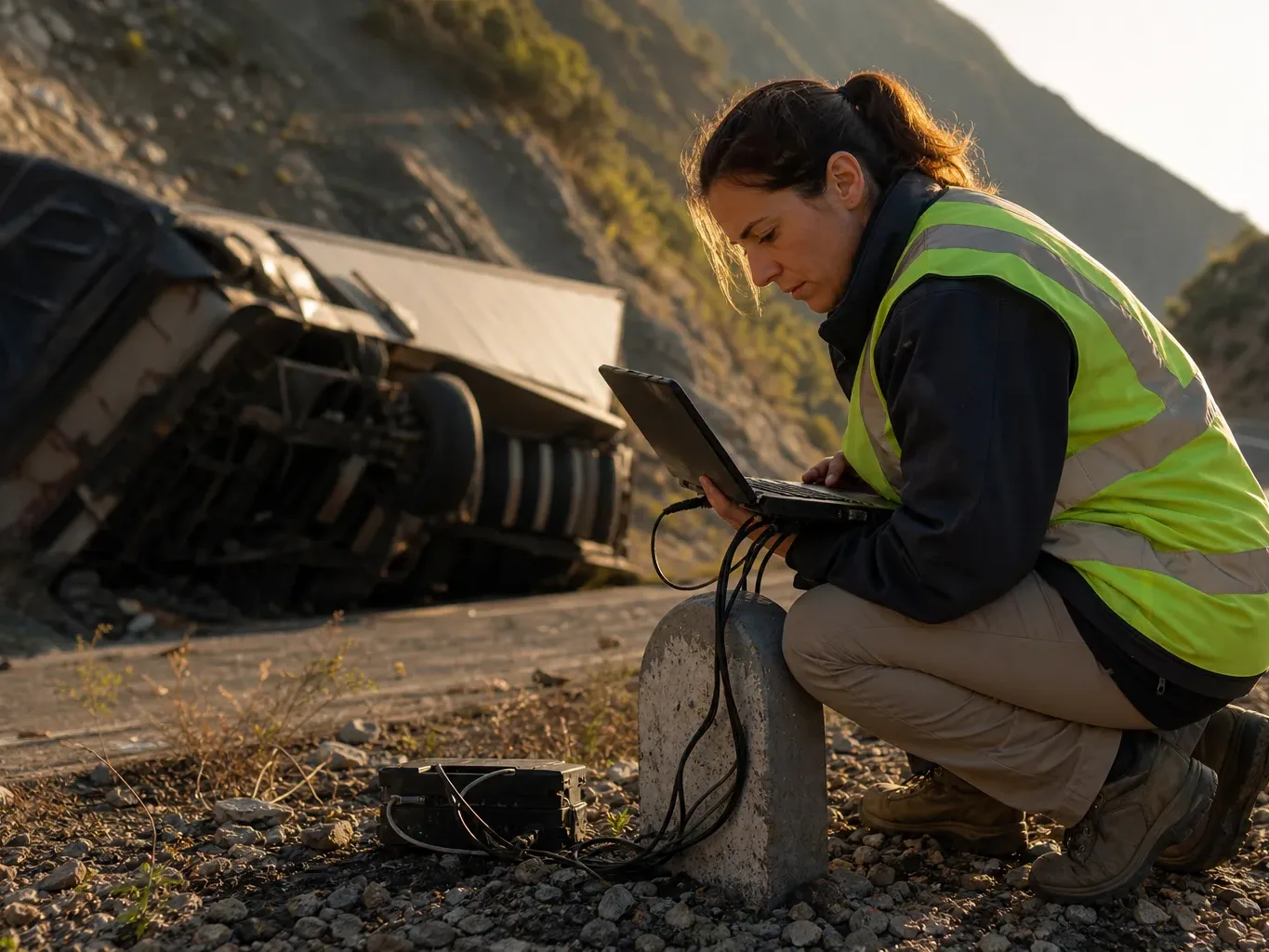
FMCSA regulations also require carriers to keep detailed records: driver logs, inspection reports, and black box data. A lawyer can send a spoliation letter within days of the crash to preserve that evidence before it is overwritten or destroyed.
What Your Claim Might Be Worth
Serious truck accident injuries on Colorado mountain roads commonly produce settlements in the $250,000–$1,000,000+ range, reflecting the severity of high-speed or rollover collisions and the depth of commercial insurance coverage. That range is not a guarantee. Actual value depends on the nature of your injuries, your own percentage of fault under comparative negligence rules, the clarity of liability, and whether the case settles or goes to trial.
Soft-tissue injuries with a full recovery land at the lower end of any settlement scale. Spinal cord injuries, traumatic brain injuries, and permanent disability push values higher, sometimes well past the policy minimums listed above.
How Attorneys Build Mountain Corridor Truck Cases
Truck accident cases on the I-70 corridor require evidence that standard car accident claims do not. A qualified Denver personal injury lawyer will typically move quickly on several fronts.
First, they will request the truck's electronic logging device data and event data recorder output. Both can confirm vehicle speed, braking force, and driver hours in the period before the crash. Second, they will hire a commercial vehicle accident reconstructionist who understands mountain grade physics, not just flat-road collision analysis. Third, they will subpoena the carrier's driver qualification file, maintenance logs, and any internal communications about the driver's route or schedule.
If the crash involved cargo, a separate investigation into the loading company's practices may run in parallel. Each additional defendant opens another insurance policy, which matters when injuries are catastrophic.

What Compensation Covers
A successful I-70 truck accident claim in Colorado can recover economic and non-economic damages. Economic damages are quantifiable: medical bills both past and future, lost wages, reduced earning capacity, and the cost of long-term rehabilitation or in-home care. Non-economic damages cover pain and suffering, emotional distress, and loss of enjoyment of life.
Colorado does not cap non-economic damages in personal injury cases the way some states do, which gives injured victims meaningful room to recover for the full human cost of a crash. If the trucking company's conduct was especially reckless, punitive damages may also be available.
Working with a Denver Truck Accident Lawyer
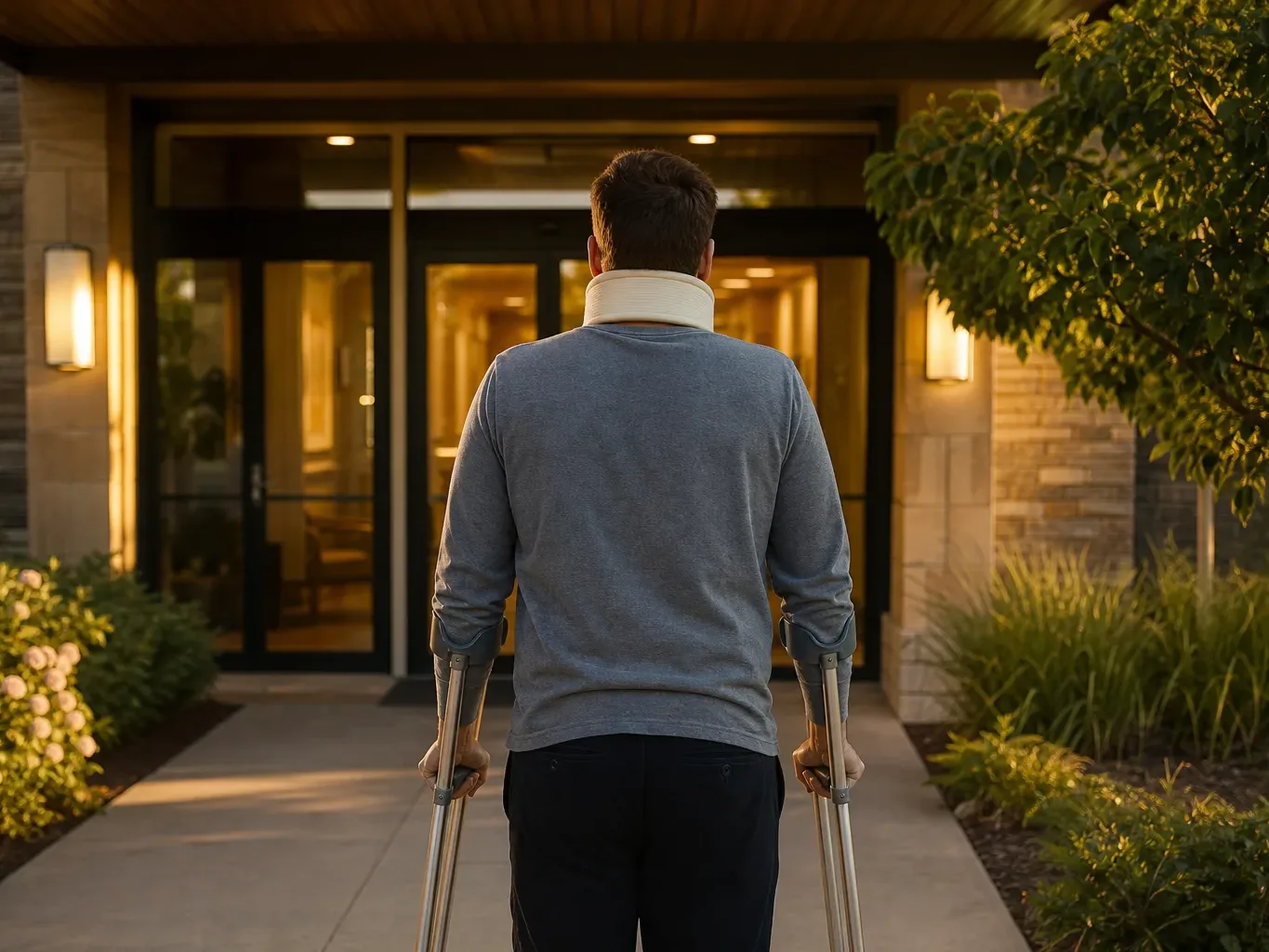
Most Denver personal injury lawyers handle truck accident claims on a contingency fee basis, typically 33%–40% of the settlement or verdict. That percentage can increase if the case goes to trial. You pay nothing if there is no recovery, which means you can pursue a complex mountain corridor case without out-of-pocket legal costs.
Choosing a lawyer familiar with FMCSA regulations, Colorado's modified comparative negligence framework, and the specific carriers that frequently operate the Denver-to-Grand Junction route gives you a practical advantage. The evidence in these cases degrades fast. Black box data cycles over. Logs disappear.
Contacting a lawyer within days of the crash, not weeks, preserves options that would otherwise close.
Frequently Asked Questions
What Causes Most Truck Accidents on I-70?
Brake failure and speed mismanagement on steep mountain descents are the leading cause. Other frequent factors include driver fatigue, improper cargo securement, black ice or sudden snowstorms near the Eisenhower Tunnel, and deferred mechanical maintenance by carriers trying to meet delivery schedules.
How Do I File an I-70 Highway Truck Accident Claim?
Start by preserving evidence immediately: photograph the scene, get the truck's DOT number, and seek medical care. Then contact a Denver personal injury lawyer who can send a spoliation letter to the carrier within days, preserving black box data and driver logs before they are overwritten. Colorado's statute of limitations gives you two years from the date of injury under C.R.S. § 13-80-102.
Who Can Be Held Liable in a Mountain Corridor Truck Crash?
Liability can extend beyond the driver to the trucking company, a cargo loading contractor, a third-party maintenance provider, and in some cases the Colorado Department of Transportation if a road defect contributed. Colorado's modified comparative negligence rule means multiple parties can share fault, and you can still recover as long as your own share is below 50%.
How Much Is an I-70 Truck Accident Claim Worth in Colorado?
Serious injury truck accident claims in Colorado commonly settle in the $250,000–$1,000,000+ range, driven by the severity of big-rig collisions and the commercial insurance minimums carriers must carry under federal law. The actual value of your case depends on your specific injuries, the clarity of liability, and whether it resolves before or at trial.
How Long Do I Have to File a Truck Accident Lawsuit in Colorado?
Colorado's personal injury statute of limitations is two years from the date of the crash under C.R.S. § 13-80-102. Missing that deadline bars your claim entirely, so contacting a lawyer as soon as possible after the accident protects your ability to recover.