Denver Hit-and-Run Accident - Your Legal Options - Find a Hit-and-Run Accident Lawyer Denver

A hit-and-run crash leaves you dealing with injuries, vehicle damage, and no one to hold accountable on the spot. Denver sees thousands of these incidents every year, and many victims assume they have no legal path forward because the driver fled. That assumption is wrong. Multiple insurance mechanisms and legal strategies exist specifically for situations where the at-fault driver disappears.

What Colorado Law Says About Hit-and-Run Accidents
Colorado law under C.R.S. § 42-4-1601 requires every driver involved in a collision to stop, provide identifying information, and render reasonable assistance. Leaving the scene is a criminal offense, ranging from a misdemeanor for property-damage-only incidents to a Class 3 felony when the crash causes serious bodily injury or death. The criminal process runs separately from your civil claim, so a driver's arrest or conviction does not automatically compensate you. You need to pursue your own civil and insurance remedies to recover damages.
Colorado operates as an at-fault state, meaning the party responsible for the crash bears financial liability. That structure is helpful when the at-fault driver is identified, but hit-and-run cases force you to work through other channels while law enforcement investigates.
Immediate Steps That Protect Your Claim
What you do in the first 24–72 hours directly shapes how strong your claim becomes. Call 911 immediately so a Denver Police Department officer documents the scene. Get medical treatment the same day, even if pain feels minor, because delayed diagnosis can be used to argue your injuries were not crash-related.
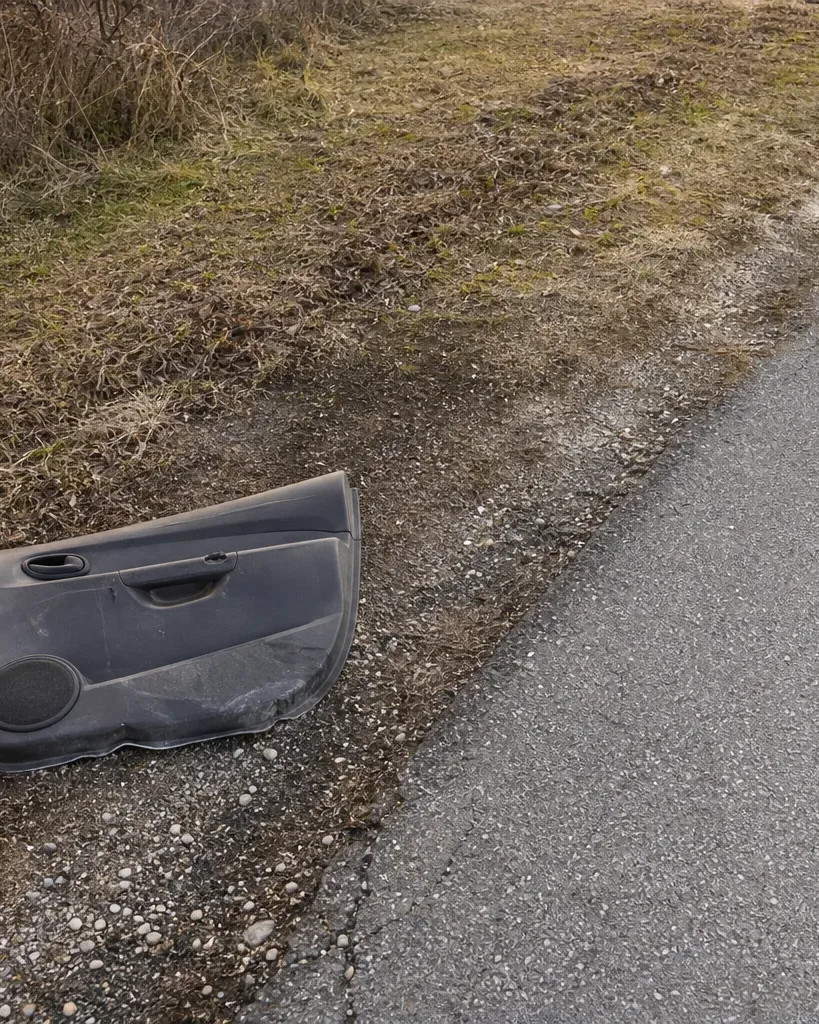
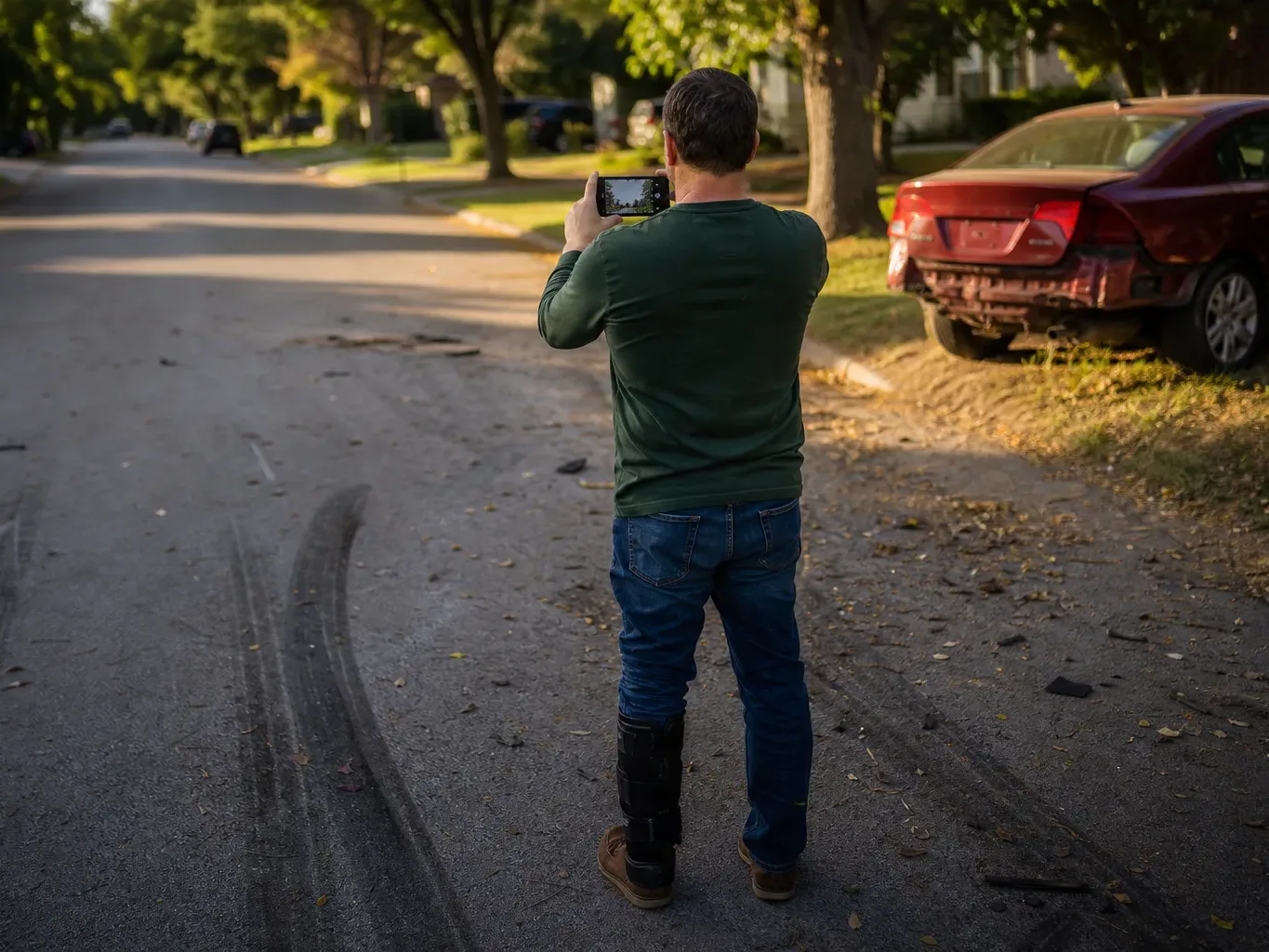
Collect every piece of evidence available: photos of your vehicle, skid marks, debris, road conditions, and any visible security cameras on nearby businesses. Witness contact information is valuable because bystander accounts often help police identify the fleeing vehicle. File a report with the Colorado DMV within 10 days if the crash involved injury or significant property damage.
Your Primary Insurance Options
Uninsured Motorist Coverage
Uninsured motorist (UM) coverage is the most direct financial tool available to hit-and-run victims. Colorado insurers are required to offer UM coverage, and if you purchased it, your own policy steps in to pay damages just as the at-fault driver's liability policy would have. This includes compensation for medical expenses, lost wages, pain and suffering, and permanent impairment.
The minimum auto liability coverage required in Colorado is $25,000 per person, $50,000 per accident, and $15,000 for property damage. Many drivers carry UM limits that mirror their liability limits. If your injuries are serious, those limits may not cover your full losses, which is where an attorney's negotiation skills matter.
Underinsured Motorist Coverage
If the hit-and-run driver is later identified and carries only the state minimum insurance, underinsured motorist (UIM) coverage bridges the gap between their policy limits and your actual damages. Serious orthopedic injuries, spinal trauma, or traumatic brain injuries routinely produce losses that far exceed minimum coverage. Stacking UM and UIM benefits, where your policy allows, can significantly increase the compensation available to you.
Med-Pay Coverage
Medical payments (Med-Pay) coverage, if you carry it, reimburses medical bills regardless of fault and regardless of whether the at-fault driver is ever found. It activates quickly, which helps you avoid delaying treatment while waiting for an insurance dispute to resolve. Med-Pay limits are typically lower than UM limits, but they can cover emergency room visits, surgery, and follow-up care in the immediate aftermath.
What If the Driver Is Found?
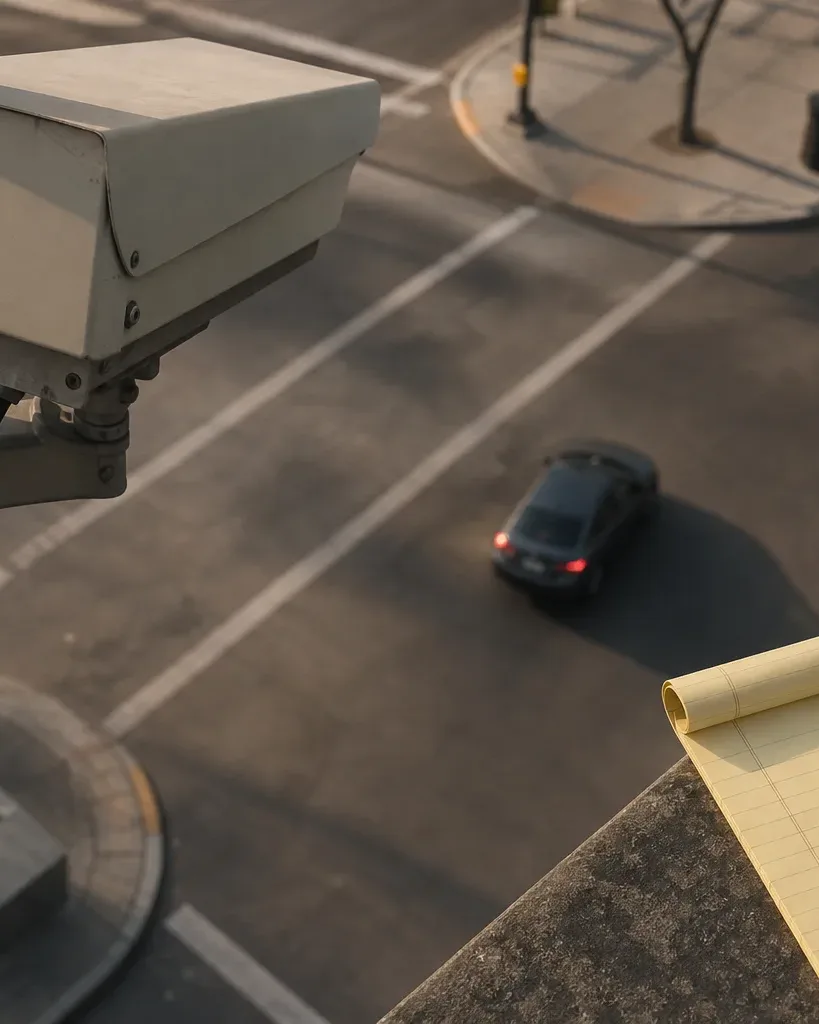
Denver police sometimes identify hit-and-run drivers through traffic cameras, license plate reader data, and tips from the public. If the driver is identified, your legal options expand considerably. You can file a third-party liability claim directly against their insurance and, if necessary, pursue a civil lawsuit for full compensatory damages.
Colorado's modified comparative negligence rule under C.R.S. § 13-21-111 allows you to recover damages as long as you are less than 50% responsible for the crash. In a typical hit-and-run, the fleeing driver bears virtually all fault, so comparative negligence is rarely a significant obstacle. Punitive damages may also be available given the willful nature of fleeing the scene, though Colorado courts set a high bar for those.
The Role of a Hit-and-Run Accident Lawyer Denver Residents Can Access
Insurance companies, including your own, are motivated to minimize payouts. An experienced hit-and-run accident lawyer Denver residents use will negotiate directly with adjusters, gather independent evidence, and ensure medical documentation accurately reflects your injury's long-term impact. Attorneys also know how to invoke the arbitration provisions common in UM disputes, which is often necessary when an insurer low-balls an offer.
A lawyer also monitors the statute of limitations. Personal injury claims in Colorado must be filed within 2 years of the injury date under C.R.S. § 13-80-102. Missing that deadline eliminates your right to sue entirely, regardless of how strong your evidence is.

How Much Does a Hit-and-Run Lawyer Cost
Most Denver personal injury lawyers handle hit-and-run cases on a contingency fee basis, meaning you pay nothing unless they recover money for you. Standard contingency fees run 33%–40% of the settlement or verdict, with the percentage sometimes rising if the case proceeds to trial. There are no upfront retainer fees or hourly charges.
This structure makes legal representation accessible regardless of your financial situation after a crash. During a free initial consultation, a lawyer will assess whether your claim has merit, estimate the potential value of your damages, and explain exactly how their fee is calculated before you sign anything.
How Serious Injuries Affect Settlement Value
Hit-and-run crashes frequently involve high-speed impacts because fleeing drivers tend to run red lights or cut through traffic. Injuries from those dynamics can be severe. For minor to moderate injuries, car accident settlements in Denver typically range from $15,000 to $75,000. Serious or catastrophic injuries, including spinal cord damage, traumatic brain injury, or amputation, shift that range to $100,000–$500,000 or more.
Factors that influence where your case lands within those ranges include the clarity of liability, the quality of your medical documentation, the duration of your treatment, and any lasting impact on your earning capacity. An attorney who handles hit-and-run cases regularly knows which evidence carries the most weight with insurance adjusters and juries.

Frequently Asked Questions
What Does Colorado Law Say About Hit-and-run Accidents?
Under C.R.S. § 42-4-1601, Colorado drivers must stop after any collision, exchange information, and assist injured parties. Leaving the scene is a criminal offense ranging from a misdemeanor for property-damage-only crashes to a Class 3 felony when serious injury or death occurs. Criminal charges against the driver are separate from your civil claim, so a conviction does not automatically compensate you. You must pursue compensation independently through insurance or a civil lawsuit.
Hit and Run Accident Denver Colorado Law - What Are My Rights?
Colorado is an at-fault state, meaning the driver who caused your crash bears financial liability. If that driver fled, you have the right to file a claim under your own uninsured motorist (UM) coverage, which your insurer is required to offer. You also retain the right to pursue a civil lawsuit if the driver is later identified. Colorado's modified comparative negligence rule under C.R.S. § 13-21-111 allows you to recover damages as long as you are less than 50% at fault, and the statute of limitations gives you 2 years from the date of injury to file a personal injury claim.
Hit and Run Lawyer Denver Cost - Do I Have to Pay Upfront?
No. Denver hit-and-run accident lawyers typically work on contingency, meaning you owe nothing unless they win your case. Contingency fees generally range from 33% to 40% of the settlement or verdict, and may increase if the case goes to trial. There are no hourly charges or upfront retainers. This arrangement lets you access experienced legal representation from day one without financial risk.
Can I Still Recover Compensation If the Hit-and-run Driver Is Never Found?
Yes. Uninsured motorist (UM) coverage on your own auto policy is designed precisely for this situation. It pays for medical expenses, lost wages, pain and suffering, and other damages just as the at-fault driver's liability policy would have. Med-Pay coverage can also reimburse medical bills quickly, regardless of whether the driver is identified. Your ability to recover does not depend on police finding the responsible driver.
How Long Do I Have to File a Hit-and-run Claim in Denver?
Colorado's statute of limitations for personal injury claims is 2 years from the date of injury under C.R.S. § 13-80-102. Filing a police report or an insurance claim does not pause that clock. If you miss the two-year deadline, you permanently lose the right to sue, regardless of the strength of your evidence. Consulting a Denver hit-and-run accident lawyer promptly ensures critical deadlines are tracked and all available claims are filed in time.