Slip and Fall Injuries on Icy Sidewalks in Denver
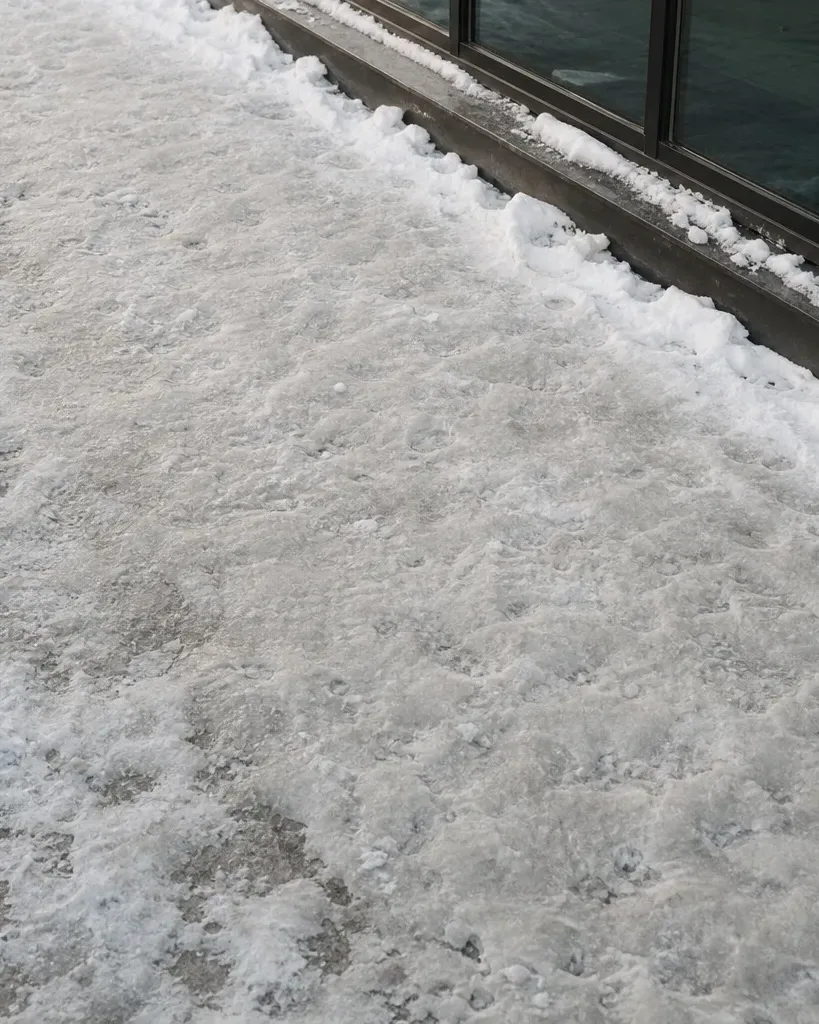
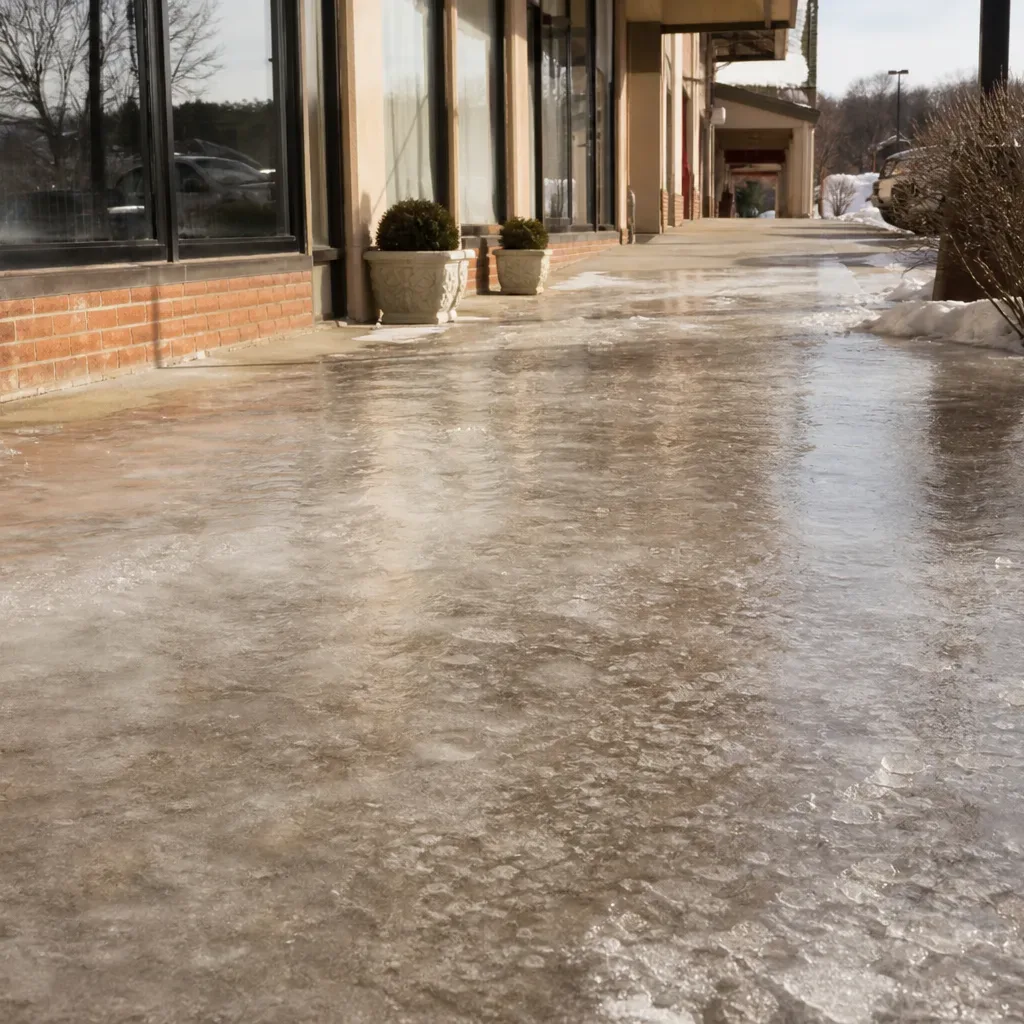
Denver winters produce genuine hazards: black ice forms overnight, snow compacts into slick sheets, and a single misstep can mean a fractured wrist, a torn ligament, or a traumatic brain injury. Understanding who bears legal responsibility for icy sidewalk slip and fall liability in Denver is the first step toward protecting your right to compensation.

Who Is Legally Responsible for an Icy Sidewalk?
Liability depends on who controlled the property adjacent to the sidewalk and what duties Colorado law assigns to that party. Colorado's premises liability statute, C.R.S. § 13-21-115, establishes that a landowner's duty of care varies based on the visitor's status: invitee, licensee, or trespasser. An invitee, such as a customer entering a business, receives the highest protection. The landowner must take reasonable steps to keep the premises, including accessible pathways, free from foreseeable dangers like accumulated ice.
Property owners, commercial businesses, and in some circumstances local governments can all face liability when someone slips on an icy sidewalk. The key question is whether they knew or should have known about the hazard and failed to act reasonably. A business that opens at 8:00 a.m. and ignores obvious ice on its entrance path through noon is in a very different position than a homeowner who salted before dawn.
How Denver's Local Rules Factor In
Denver places the duty to clear adjacent public sidewalks on the abutting property owner. City ordinances require property owners to remove snow and ice within a set window after snowfall, and failure to do so can be cited as evidence of negligence in a personal injury claim. That local code does not override C.R.S. § 13-21-115; it layers on top of it, giving injured plaintiffs an additional basis for establishing that the property owner fell short of a reasonable standard.
Commercial property owners face a higher practical standard than residential ones. Grocery stores, parking lots, and office buildings that invite the public onto their premises as invitees have a stronger obligation to inspect, treat, and maintain walking surfaces during winter weather. A single morning inspection is rarely enough when temperatures fluctuate and ice reforms throughout the day.
What You Must Prove to Win Your Claim
Four core elements form the backbone of any slip and fall case in Colorado.
Duty of Care
The property owner or occupier owed you a legal duty based on your visitor status under C.R.S. § 13-21-115. Most people injured on icy sidewalks outside businesses are invitees, which carries the strongest duty.
Breach of That Duty
The owner knew or should have known about the ice and failed to remove it, treat it, or warn you. Evidence includes maintenance logs, surveillance footage, weather data, and witness accounts of how long the hazard existed before you fell.
Causation
The breach directly caused your injury. Defense teams often argue that a fall resulted from your own inattention rather than a property defect. Medical records linking the mechanism of injury to the icy surface are critical.
Damages
You suffered measurable harm: medical bills, lost wages, pain, and long-term impairment. Slip and fall settlements in the Denver market typically fall in the $30,000–$150,000 range, though severe injuries involving surgery or permanent disability can exceed those figures.
Colorado's Comparative Fault Rule and What It Means for You
Colorado follows a modified comparative negligence standard under C.R.S. § 13-21-111, meaning your compensation is reduced by your percentage of fault. If you are found 25% responsible because you were looking at your phone, a $100,000 award becomes $75,000. You are barred from recovery entirely if your fault reaches 50% or more.
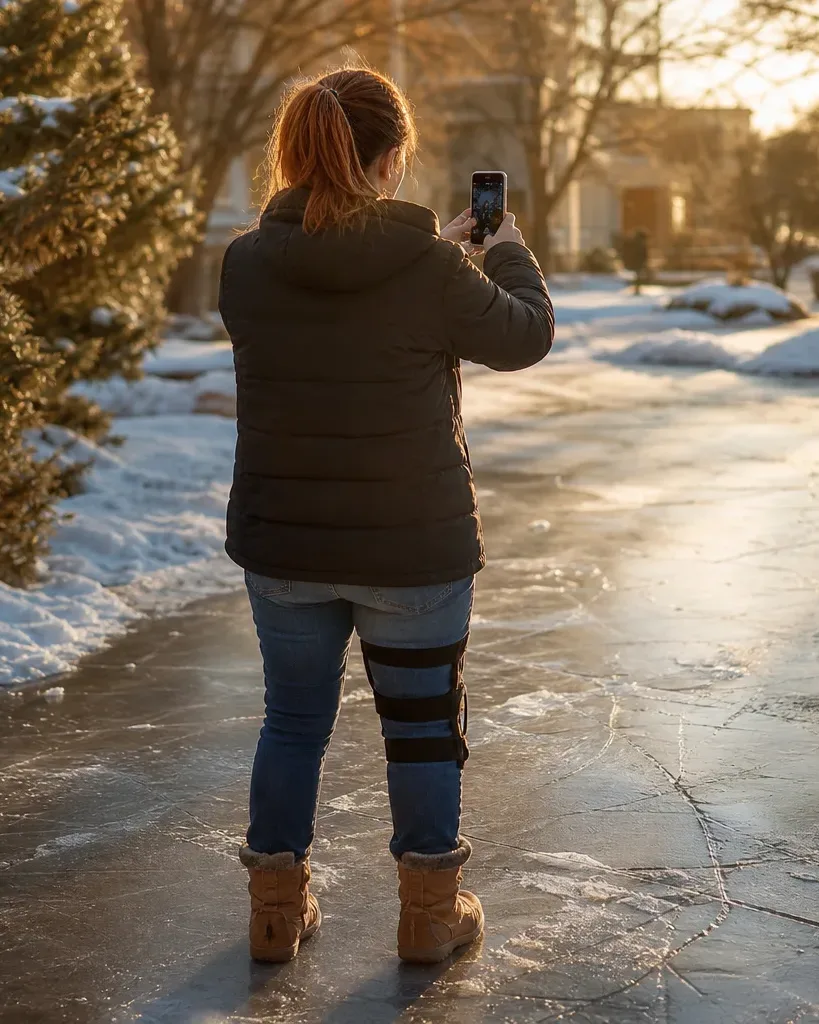
Defense attorneys frequently argue that a plaintiff was wearing improper footwear, took an obvious shortcut, or ignored visible warning signs. Documenting the scene immediately, taking photographs of the ice and your footwear, and obtaining witness information all help counter these arguments. Strong evidence collected in the first hours after a fall is far more persuasive than recollections gathered weeks later.
What Compensation Can You Recover?
Compensation in a Denver icy sidewalk case typically covers several categories.
Economic damages include all quantifiable financial losses: emergency room visits, orthopedic surgery, physical therapy, imaging, and income you could not earn while recovering. A serious fall that requires hip replacement surgery can generate medical costs alone exceeding $50,000.
Non-economic damages address pain, suffering, emotional distress, and loss of enjoyment of activities you could do before the injury. Colorado does not cap non-economic damages in premises liability cases the same way it does in some other contexts, so documenting quality-of-life impacts matters.
Permanent impairment awards compensate for lasting functional limitations. A Denver resident who can no longer hike, ski, or perform manual work due to a fall-related spinal injury may receive substantial compensation beyond immediate medical costs.
Steps to Take Immediately After an Icy Sidewalk Fall
What you do in the minutes and days after a fall directly shapes the strength of your claim.
- Photograph everything. Capture the ice, surrounding conditions, any missing warning signs, and your injuries before leaving the scene.
- Report the incident. Notify the property owner, manager, or business on-site. Request that they create a written incident report and keep a copy.
- Seek medical care the same day. Even injuries that seem minor can involve fractures or soft-tissue damage that worsens without treatment. Delayed care also gives insurers an argument that your injuries were not serious.
- Preserve your footwear. The shoes or boots you wore are physical evidence. Store them without cleaning them.
- Get witness contact information. People nearby may have seen conditions before and after your fall.
How Long You Have to File a Claim in Colorado
Colorado's statute of limitations for personal injury claims, including slip and fall cases, is two years from the date of injury under C.R.S. § 13-80-102. Missing that deadline almost always means losing your right to compensation, regardless of how strong your case is. Two years can pass faster than it seems, particularly when injuries require extended treatment and legal investigation takes time.
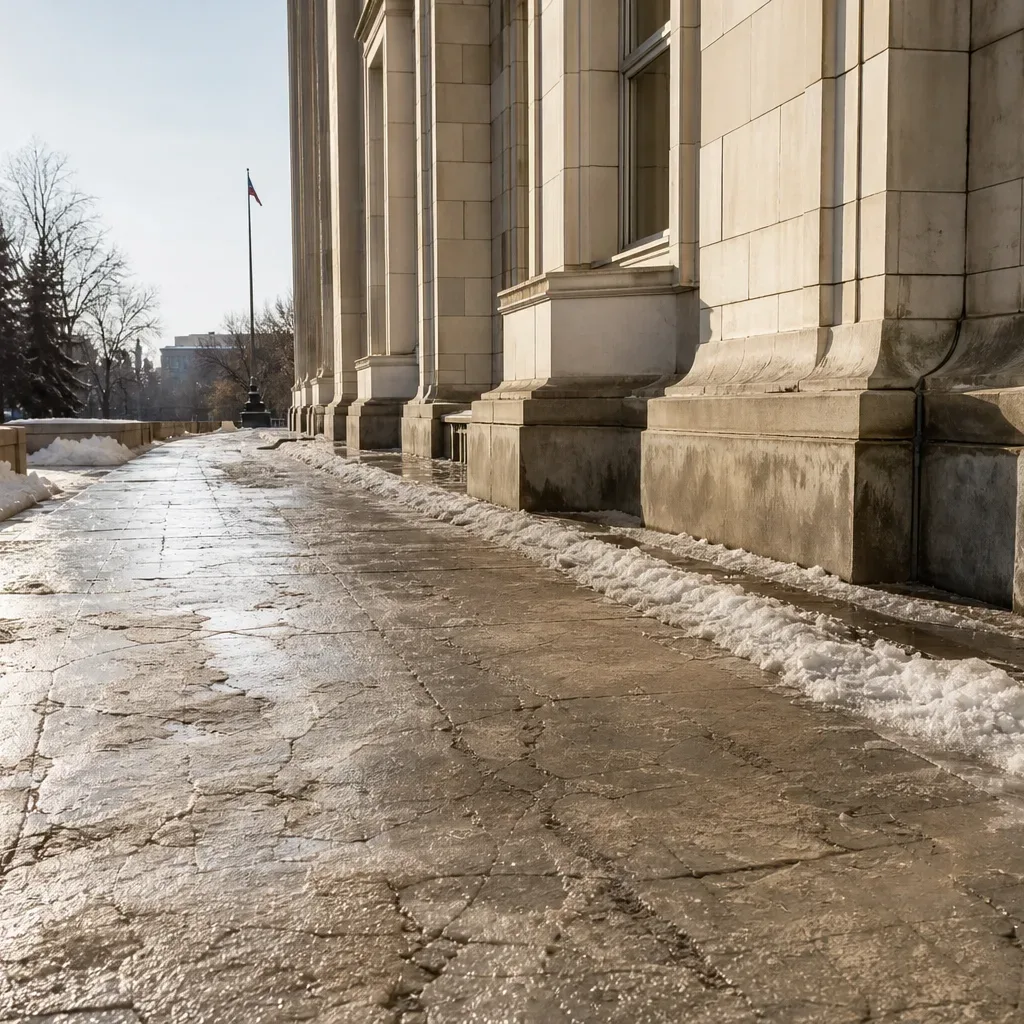
Claims involving government-owned property, such as a sidewalk adjacent to a city building, carry additional procedural requirements and shorter notice deadlines. Filing a notice of claim with the proper government entity is a prerequisite, and those timelines can be 180 days or less. Consulting a lawyer promptly protects these rights before deadlines expire.
Working with a Denver Personal Injury Lawyer
Most Denver personal injury lawyers handle slip and fall cases on contingency, taking 33%–40% of the settlement or verdict. You pay nothing unless your case resolves in your favor. That fee structure means your attorney's financial interest aligns directly with maximizing your recovery.
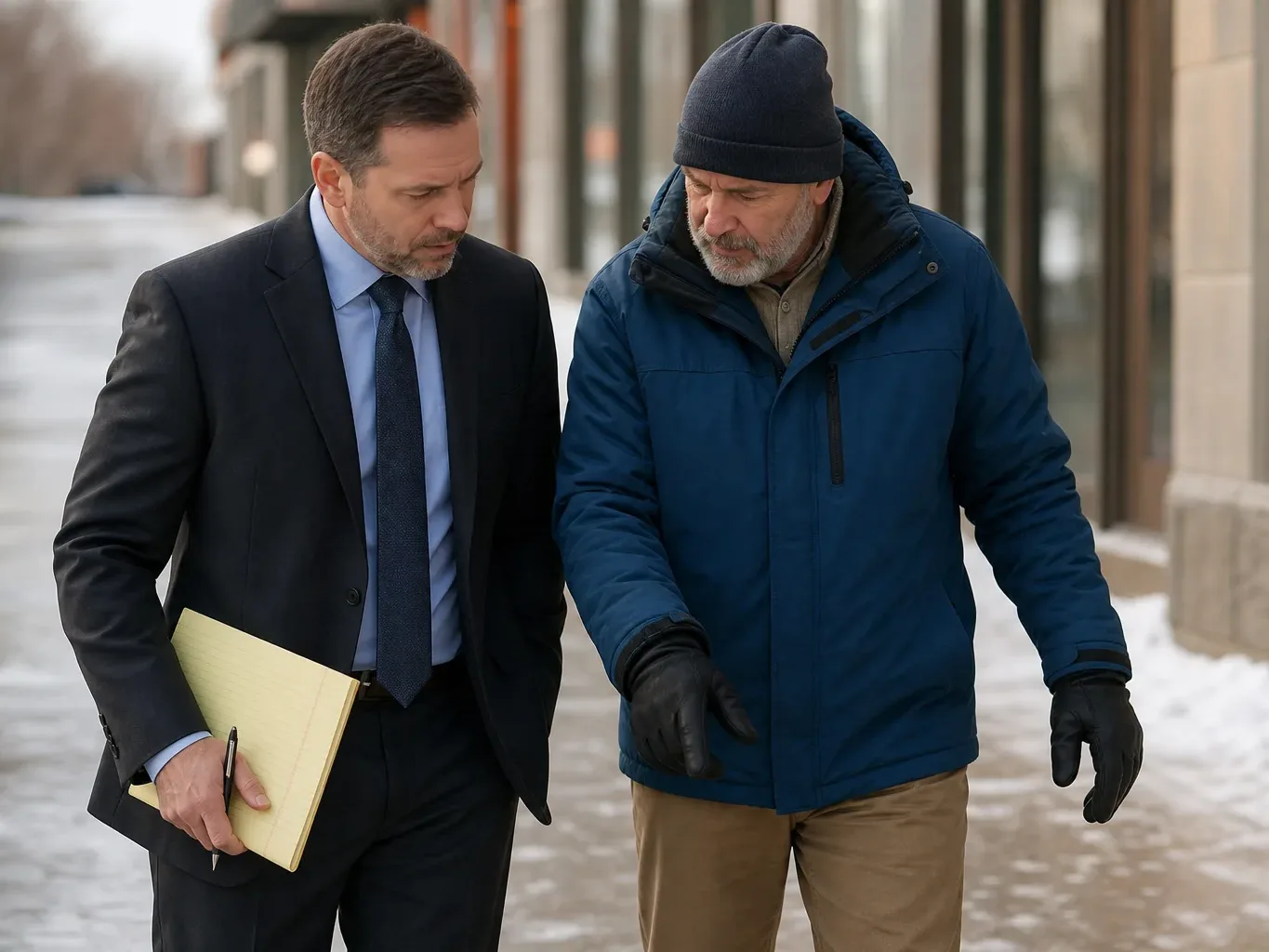
A lawyer's role extends well beyond filing paperwork. Attorneys issue preservation letters to secure surveillance footage before it is overwritten, retain engineering or meteorological experts to establish the property owner's negligence, and negotiate against insurance adjusters who are trained to minimize payouts. Attempting to negotiate a serious injury claim without legal representation consistently produces lower settlements than represented cases.
Frequently Asked Questions
Icy Sidewalk Liability Denver Colorado - Who Is Responsible?
In Denver, the property owner or occupier adjacent to the icy sidewalk is typically responsible. Colorado's premises liability statute, C.R.S. § 13-21-115, sets the duty of care based on whether you are an invitee, licensee, or trespasser. Businesses that invite the public onto their property owe the highest duty and must take reasonable steps to prevent or address ice hazards.
Can I Sue If I Slipped on Ice on a Public Sidewalk in Denver?
You may have a claim against the abutting private property owner if they failed to clear the sidewalk as required under Denver's municipal code. Claims against government entities are possible but involve stricter procedural requirements, including notice deadlines that can be as short as 180 days. A Denver personal injury lawyer can identify the correct parties and deadlines for your specific situation.
How Much Is a Slip and Fall Settlement Worth in Denver?
Slip and fall settlements in the Denver market typically range from $30,000 to $150,000 for injuries of moderate severity. Cases involving surgery, permanent impairment, or significant lost income can exceed those figures. The exact value depends on the clarity of liability, the seriousness of your injuries, and the strength of the evidence you can present.
Does It Matter What Shoes I Was Wearing When I Slipped on Ice?
Yes, it can affect your case under Colorado's modified comparative negligence rule. If a jury finds you partially at fault, your award is reduced by that percentage. Inappropriate footwear is a common defense argument. Preserving the shoes you wore and documenting the scene immediately helps rebut claims that your own choices contributed to the fall.
How Long Do I Have to File a Slip and Fall Lawsuit in Colorado?
Colorado's statute of limitations for personal injury claims, including slip and fall cases, is two years from the date of injury under C.R.S. § 13-80-102. Claims involving government-owned property may require a notice of claim filed within 180 days or less. Missing either deadline typically bars your right to recovery entirely.