Common Causes of Semi-Truck Accidents on Denver Highways

Semi-truck crashes on Denver's major corridors kill and seriously injure people every year. The combination of steep mountain grades, unpredictable weather, heavy commercial traffic, and long-haul driver fatigue creates conditions that differ sharply from typical passenger-vehicle accidents. Understanding what actually causes these collisions matters whether you are a driver trying to stay safe or an injury victim trying to understand your legal options.
Driver Fatigue Behind the Wheel
Federal Hours of Service regulations cap how long a truck driver can operate before mandatory rest, yet fatigue remains one of the most persistent factors in serious crashes. A driver who has been on the road for 10 or 11 hours processes information more slowly and reacts later, particularly on a demanding stretch like I-70 through the Eisenhower Tunnel or the I-25 descent into downtown Denver.
Log-book falsification is a real problem. Electronic Logging Devices now make outright fraud harder, but scheduling pressure from dispatchers and shippers can still push drivers past their safe limits. In crash investigations, attorneys and NTSB investigators often pull ELD data alongside GPS records to identify gaps between what a driver reported and where the truck actually was.
Speeding and Inadequate Speed Control on Grades
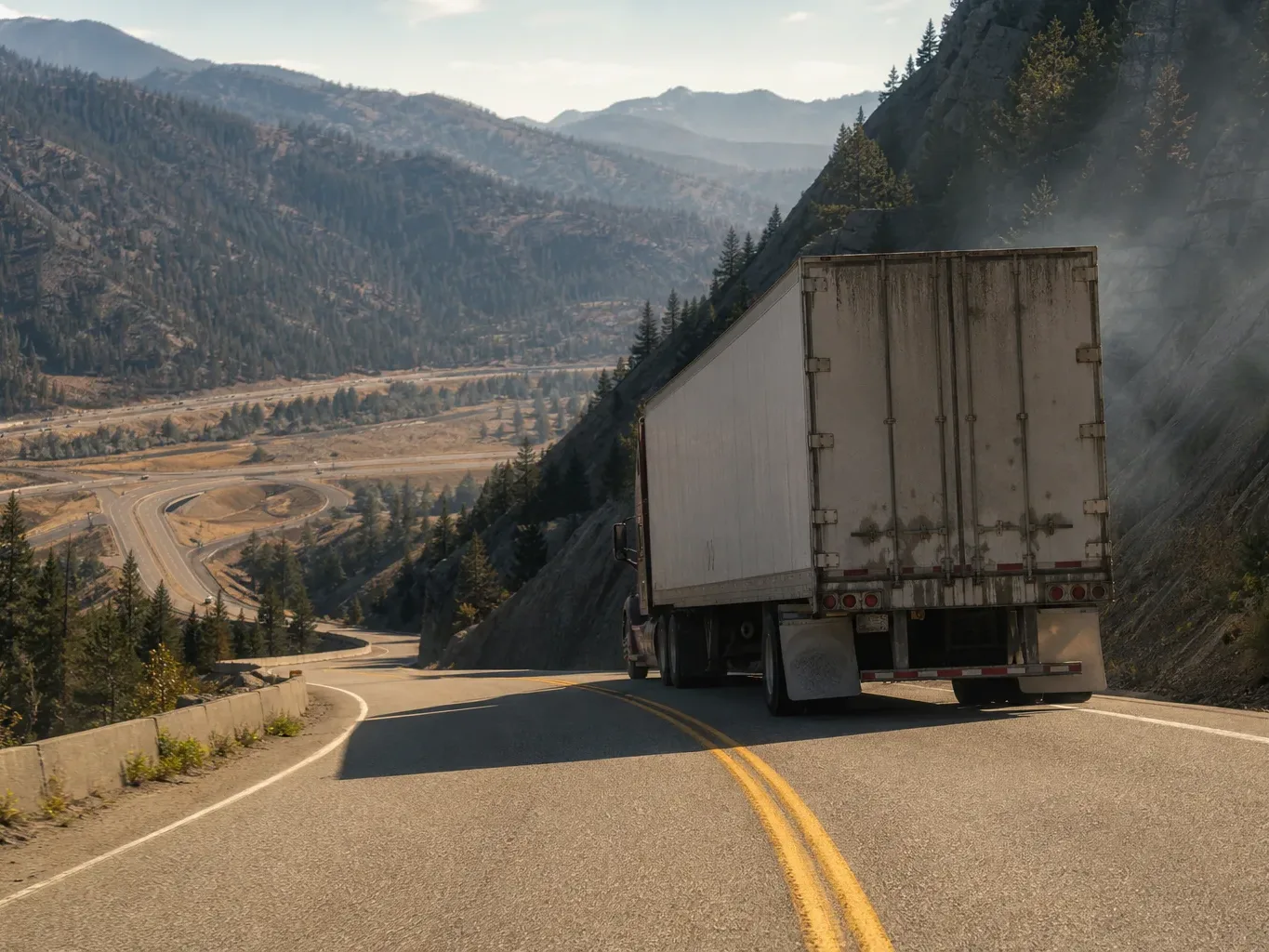
I-70 through the Rocky Mountain foothills posts mandatory runaway-truck ramps for a reason. A fully loaded semi can weigh up to 80,000 pounds, and brake fade on a long downgrade can make slowing down nearly impossible if the driver has not managed gear selection properly before the descent begins.
Speeding on flat sections of I-25 between the Colorado Springs corridor and the Denver Tech Center creates its own risks. At highway speeds, stopping distance for a loaded tractor-trailer can exceed 500 feet under ideal conditions. Rain, snow, or ice can push that figure well beyond what most drivers anticipate.
Distracted and Impaired Driving
Cell phone use while driving is illegal in Colorado, yet commercial drivers are not immune to the temptation. A glance at a navigation screen or a text message at 65 mph shifts attention for long enough to cross multiple lanes. Cab-mounted infotainment systems and dispatch communication devices add further temptation inside the vehicle.
Alcohol and drug impairment show up in crash statistics at lower rates for CDL holders than for passenger drivers, largely because of mandatory pre-employment and random testing. Prescription stimulants and sleep aids, however, remain harder to detect and are present in a meaningful share of fatal truck crashes nationally.

Poor Vehicle Maintenance and Mechanical Failures
Truck operators are legally required to conduct pre-trip inspections and document mechanical defects. Brake failures, tire blowouts, and steering component failures nonetheless account for a significant share of Colorado truck crashes each year. A tire blowout at interstate speed can cause an immediate loss of control and, in some cases, send debris into adjacent lanes.
Maintenance liability is layered. The driver, the trucking company, a third-party maintenance contractor, and even a parts manufacturer can all share fault depending on what failed and why. That is one reason truck accident cases tend to involve more complex investigation than a typical two-car crash.
Improper Loading and Cargo Shift
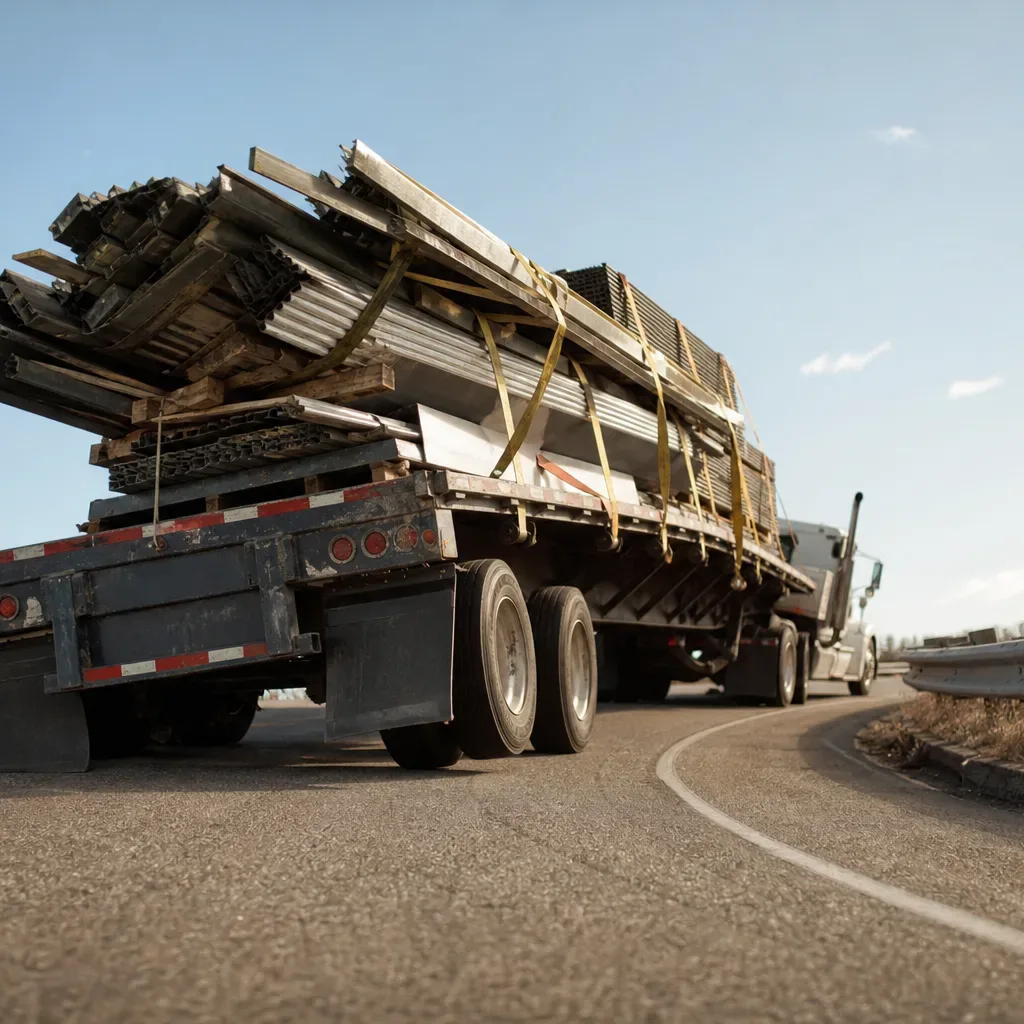
Unsecured or improperly distributed cargo can shift during a turn or emergency maneuver, causing a rollover or jackknife. Federal and Colorado regulations specify how different cargo types must be secured, including maximum weight limits for each axle. When those rules are ignored, a sudden lateral load shift can make a 70-foot vehicle behave unpredictably in a fraction of a second.
Hazardous materials add another layer of risk on Denver highways. I-70 and I-25 both carry chemical, fuel, and industrial cargo regularly. A crash involving a tanker carrying flammable cargo near a populated interchange can create secondary hazards that extend the damage far beyond the initial collision.
Adverse Weather and Road Conditions
Denver's position at the base of the Rocky Mountains produces rapid and sometimes extreme weather changes. A driver who entered I-70 in clear conditions near Aurora can face blowing snow and near-zero visibility by the time they reach Floyd Hill. Commercial drivers are expected to adjust speed and following distance accordingly, and failure to do so is treated as negligence.
Black ice on elevated sections of I-25 through downtown Denver is a recurring winter hazard. Unlike passenger vehicles, a semi-truck that begins to slide has very limited ability to correct quickly. Drivers who rely on posted speed limits rather than actual road conditions put everyone on the highway at risk.

Blind Spots and Improper Lane Changes
A standard tractor-trailer has four large blind zones: directly behind the trailer, directly in front of the cab, and along each side extending back from the mirrors. Many serious Denver highway crashes involve passenger vehicles traveling in one of those zones when a lane change occurs. The driver of the truck may have checked mirrors without ever seeing the smaller vehicle.
Merging situations on congested sections of I-25, particularly around the I-25/I-70 interchange and the I-25/US-36 confluence, force trucks and passenger vehicles into close proximity. Trucks need substantially more space to complete a safe lane change than a car, and drivers who underestimate that requirement frequently cause sideswipe or forced-off-road crashes.
Negligent Hiring and Training by Trucking Companies
The trucking company bears responsibility not just for the truck itself but for the driver it puts behind the wheel. Federal regulations require carriers to verify CDL validity, conduct background checks, and review driving histories before hiring. Companies that cut corners on those requirements can be held directly liable if an unqualified or previously flagged driver causes a crash.
Ongoing training matters as much as initial hiring. Drivers navigating mountain passes for the first time, or operating oversized loads through an urban corridor, need specific preparation. When that preparation is absent and a crash follows, evidence of the company's training records becomes central to any legal claim.

What Compensation Can Victims Pursue
Colorado is an at-fault state, meaning the party responsible for a crash bears liability for resulting damages. Serious truck accident injuries, including spinal injuries, traumatic brain injuries, and amputations, regularly produce claims that settle in the $250,000–$1,000,000+ range. Federal minimum insurance requirements for commercial carriers range from $750,000 to $5,000,000 depending on cargo type, which generally means there is adequate coverage to pursue a full claim.
Colorado's modified comparative negligence rule reduces a victim's recovery proportionally if they share some fault, but bars recovery entirely only if their share reaches 50% or more. Victims have 2 years from the date of injury to file a personal injury claim under C.R.S. § 13-80-102. Acting quickly preserves access to ELD records, maintenance logs, and driver qualification files before those documents are overwritten or destroyed.

Frequently Asked Questions
Semi-truck Accident Lawyer Denver - Do I Need One?
Yes, hiring a semi-truck accident lawyer in Denver is strongly advisable. Truck crash cases involve multiple liable parties, federal regulations, and time-sensitive evidence like ELD logs and maintenance records. An experienced Denver lawyer can preserve that evidence, deal directly with commercial carriers and their insurers, and build a claim that reflects the full extent of your injuries. Most Denver personal injury lawyers handle these cases on contingency, typically 33%–40% of the settlement, with no fee if there is no recovery.
How Long Do I Have to File a Truck Accident Claim in Colorado?
Colorado law gives injury victims 2 years from the date of the crash to file a personal injury claim under C.R.S. § 13-80-102. If a crash caused a fatality, the family has 2 years from the date of death to bring a wrongful death claim. Missing that deadline almost always bars recovery entirely, so contacting a lawyer as soon as possible after the crash is critical.
Who Can Be Held Liable in a Semi-truck Accident on I-70 or I-25?
Liability in a Denver truck crash can extend to the driver, the trucking company, a third-party maintenance contractor, a cargo loading company, or even a truck parts manufacturer depending on what caused the collision. Negligent hiring, inadequate driver training, brake or tire failures, and improperly secured loads each point to different responsible parties. A thorough investigation is necessary to identify every source of liability.
What Is the Average Settlement for a Serious Truck Accident in Denver?
Serious truck accident settlements in the Denver market typically range from $250,000 to $1,000,000 or more, reflecting the severity of injuries common in large commercial vehicle crashes. Federal law requires commercial carriers to carry a minimum of $750,000 in liability insurance, and hazmat carriers must carry up to $5,000,000, which generally means coverage is available to support substantial claims. The exact value depends on injury severity, lost income, long-term care needs, and how clearly liability can be established.
What Evidence Is Most Important After a Semi-truck Crash in Colorado?
The most critical evidence in a Colorado truck accident case includes the truck's Electronic Logging Device data, GPS records, pre-trip inspection reports, the driver's qualification file, maintenance logs, and any dashcam or traffic camera footage. Federal regulations require carriers to retain some of these records for only a limited period, so sending a legal preservation demand quickly is essential. A Denver truck accident lawyer can issue that demand and secure evidence before it is lost.