Slip and Fall Settlements - What Is My Case Worth in Denver?
Slip and fall cases in Denver typically settle in the range of $30,000–$150,000, though the specific number depends on factors your attorney will evaluate before making any demand. Some cases settle for far less, and serious injuries involving surgery or permanent disability can push well beyond that ceiling. Understanding what drives settlement value puts you in a stronger position before you ever meet with a lawyer.

How Colorado Law Shapes Your Claim
Colorado follows a modified comparative negligence rule under C.R.S. § 13-21-111. If you are found partially at fault for your fall, your compensation is reduced by that percentage. A finding of 50% or more fault bars your recovery entirely, which is why property owners often argue that you were distracted, wearing improper footwear, or ignoring visible warnings.
Premises liability in Colorado is governed by C.R.S. § 13-21-115. The landowner's duty of care depends on your visitor status: invitees (customers in a store, for example) receive the highest protection, while licensees and trespassers receive progressively less. Most Denver slip and fall claims arise in retail, restaurant, or apartment settings where the injured person is an invitee, which makes the legal threshold more favorable to plaintiffs.
Colorado also enforces a two-year statute of limitations for personal injury claims under C.R.S. § 13-80-102. Two years sounds generous, but evidence disappears quickly. Surveillance footage is often overwritten within days, witnesses move on, and the hazardous condition gets repaired before anyone documents it.


What Factors Determine Slip and Fall Settlement Value
No formula spits out a settlement number, but every negotiation turns on the same core variables.
Severity and Type of Injury
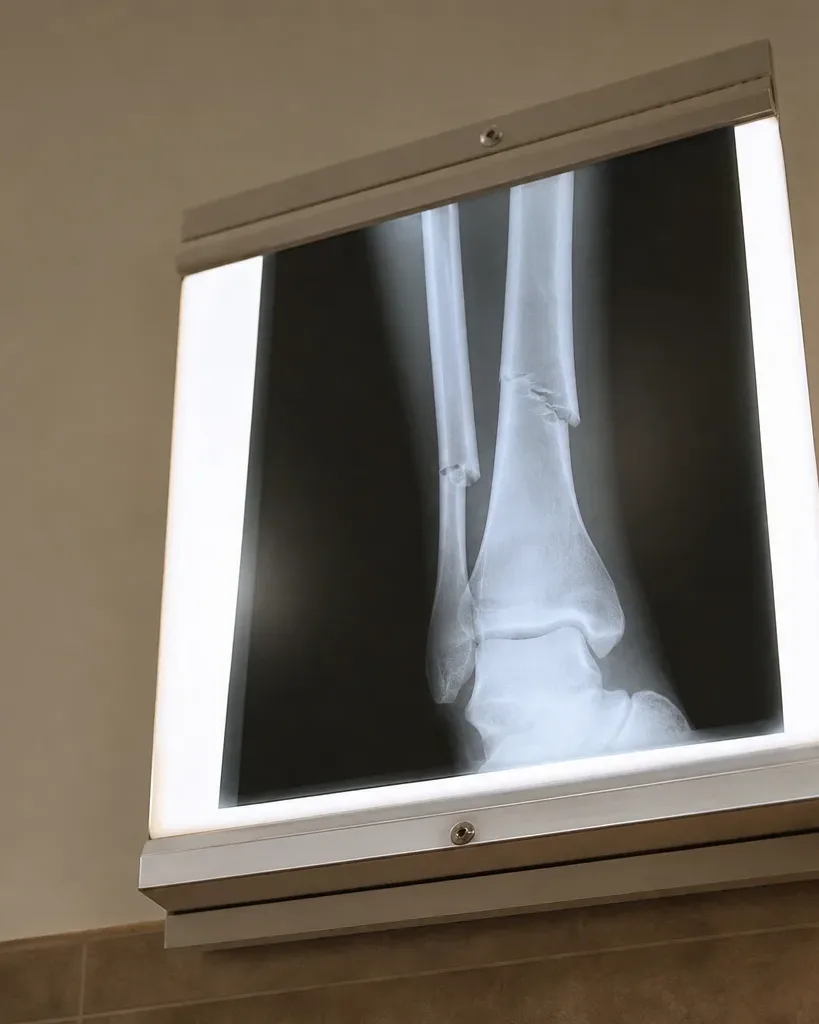
A sprained wrist that heals in six weeks commands a very different number than a fractured hip requiring surgery and months of physical therapy. Soft-tissue injuries are harder to document, which often leads insurers to offer lower initial figures. Documented fractures, traumatic brain injuries, and spinal injuries produce stronger claims because objective medical evidence is harder to dispute.
Medical Bills and Future Treatment Costs
Settlements typically cover past medical expenses plus a projection of future costs. If your injury requires ongoing physical therapy, injections, or a second surgery, your attorney builds those projected expenses into the demand. Skipping medical appointments or delaying treatment gives the insurance company ammunition to argue that your injuries were not serious or were caused by something else.
Lost Wages and Earning Capacity
If your injury kept you from work, those lost earnings are recoverable. A worker who misses two weeks of a salaried job documents this with pay stubs and an employer letter. A self-employed contractor faces more complexity, requiring tax returns and client records to establish income. Permanent impairment that limits your ability to earn in the future can significantly increase total damages.
Liability Clarity
A wet floor with no warning sign, a broken stair railing that management knew about for weeks, or icy pavement on a commercial property that went untreated all make for cleaner liability cases. The stronger the evidence that the property owner knew or should have known about the hazard, the harder it becomes for their insurer to defend a low offer. Comparative negligence arguments from the defense directly erode your net recovery.
Pain, Suffering, and Non-Economic Damages
Colorado does not cap non-economic damages in premises liability cases the way it does in some medical malpractice claims, which gives serious slip and fall cases real earning power. Insurers often use a multiplier of 1.5x–4x of economic damages to estimate pain and suffering, depending on injury severity and recovery duration. A documented permanent impairment rating from a physician strengthens this part of the claim substantially.
How Much Is a Slip and Fall Worth in Denver
Realistic settlement ranges in the Denver market run from $30,000 to $150,000 for most cases, though catastrophic injuries can exceed that range significantly. The local cost of medical care at facilities like UCHealth or SCL Health factors into how expenses are calculated. Denver's active population also means courts are familiar with injury claims tied to outdoor commercial properties, ski-adjacent retail, and apartment complexes managing icy sidewalks in winter.
Minor injuries, such as contusions or a mild sprain with no lost work, might settle in the $5,000–$20,000 range. A fractured hip requiring surgery in a middle-aged adult could land between $75,000 and $200,000 when future care and lost income are included. Traumatic brain injuries or spinal cord damage can reach or exceed $500,000, particularly when long-term care is documented.

What Weakens a Slip and Fall Case
Several missteps consistently reduce settlement value or kill claims outright.
Delaying medical care is the single biggest problem. If you wait two weeks to see a doctor, the defense argues your injuries were minor or came from a different incident. Failing to report the incident to the property owner at the time creates a gap in the record. Posting on social media about physical activity contradicts claimed limitations and is routinely used in settlement negotiations.
Missing the two-year filing deadline eliminates your claim entirely. Even if liability is crystal clear, no Colorado court will hear a case filed late under C.R.S. § 13-80-102.
Working with a Denver Slip and Fall Lawyer
Most Denver personal injury lawyers handle slip and fall claims on a contingency basis, typically charging 33%–40% of the settlement or verdict. The percentage often rises if the case proceeds to trial. If there is no recovery, you owe no fee.
An attorney's job before settlement demand goes out includes gathering incident reports, pulling surveillance footage, identifying prior complaints about the same hazard, retaining medical experts, and calculating future damages accurately. Insurers negotiate harder against unrepresented claimants because they know those claimants may not understand the full value of their claim.
Responding quickly matters. Contacting a Denver slip and fall lawyer within days of the incident gives the firm the best chance of preserving evidence before it disappears. Most offer a free consultation and promise contact within 24 hours of an inquiry. The earlier you start, the more complete your evidentiary record will be when the demand letter lands on the adjuster's desk.
Frequently Asked Questions
What Factors Determine Slip and Fall Settlement Value?
The main factors are injury severity, total medical costs including future treatment, lost wages, how clearly the property owner is at fault, and pain and suffering damages. Colorado's modified comparative negligence rule also matters: if you share any blame for the fall, your compensation is reduced by that percentage, and you are barred from recovery if you are found 50% or more at fault.
How Much Is a Slip and Fall Worth in Denver?
Most Denver slip and fall cases settle in the range of $30,000–$150,000. Minor injuries with limited medical bills may settle closer to $5,000–$20,000, while serious injuries involving surgery, long-term care, or permanent disability can reach $200,000 or more. The local cost of medical care, liability clarity, and documented non-economic damages all influence the final number.
How Long Do I Have to File a Slip and Fall Claim in Colorado?
Colorado law gives you two years from the date of injury to file a personal injury claim under C.R.S. § 13-80-102. Missing that deadline bars your case entirely, regardless of how strong your evidence is. Acting quickly also helps preserve surveillance footage and witness statements before they are lost.
Can I Still Recover Compensation If I Was Partly at Fault for My Fall?
Yes, as long as you are found less than 50% at fault under Colorado's modified comparative negligence rule. Your recovery is reduced proportionally, so if a jury finds you 20% at fault, you receive 80% of the awarded damages. Property owners and their insurers commonly argue contributory fault to reduce their exposure, which is why having documented evidence of the hazard is critical.
What Does a Denver Slip and Fall Lawyer Charge?
Most Denver personal injury lawyers handle slip and fall cases on a contingency fee basis, typically 33%–40% of the settlement or verdict. The percentage may increase if the case goes to trial. If no recovery is obtained, you owe no attorney fee, so there is no upfront financial risk to hiring a lawyer.