Federal Trucking Regulations and How They Affect Your Denver Accident Case
When a semi-truck hits a passenger vehicle on I-70 or I-25, the legal landscape is far more complex than a typical car crash. Federal rules govern nearly every aspect of commercial trucking, and violations of those rules can become central evidence in a Colorado injury claim. Understanding how those regulations work gives you a concrete advantage when dealing with insurers and opposing counsel.
What the FMCSA Actually Regulates
The Federal Motor Carrier Safety Administration sets minimum safety standards that apply to commercial trucks operating anywhere in the United States, including Colorado's mountain corridors and Denver metro freeways. These standards cover driver qualifications, vehicle maintenance, cargo securement, and hours of service. A carrier operating out of Commerce City or hauling freight through Denver must comply with these federal rules regardless of whether the trip crosses state lines.
FMCSA authority flows from the Code of Federal Regulations, specifically Title 49. Attorneys pursuing truck accident claims in Denver regularly request inspection records, driver qualification files, and maintenance logs that carriers must keep under those federal standards. Those documents can confirm or contradict what a trucking company claims happened before a crash.

Hours of Service Rules and Driver Fatigue
Driver fatigue causes a disproportionate share of serious trucking crashes. FMCSA hours-of-service rules cap how long a commercial driver can operate before mandatory rest. Property-carrying drivers are limited to 11 hours of driving within a 14-hour on-duty window after 10 consecutive hours off duty.
Electronic logging devices, required for most commercial carriers, automatically record driving time and make falsification much harder. If a driver's ELD data shows violations in the hours before a Denver crash, that record can support a negligence claim directly. Carriers sometimes pressure drivers to push beyond legal limits, and internal communications requesting that can constitute evidence of negligence on the company's part.

Vehicle Maintenance Standards
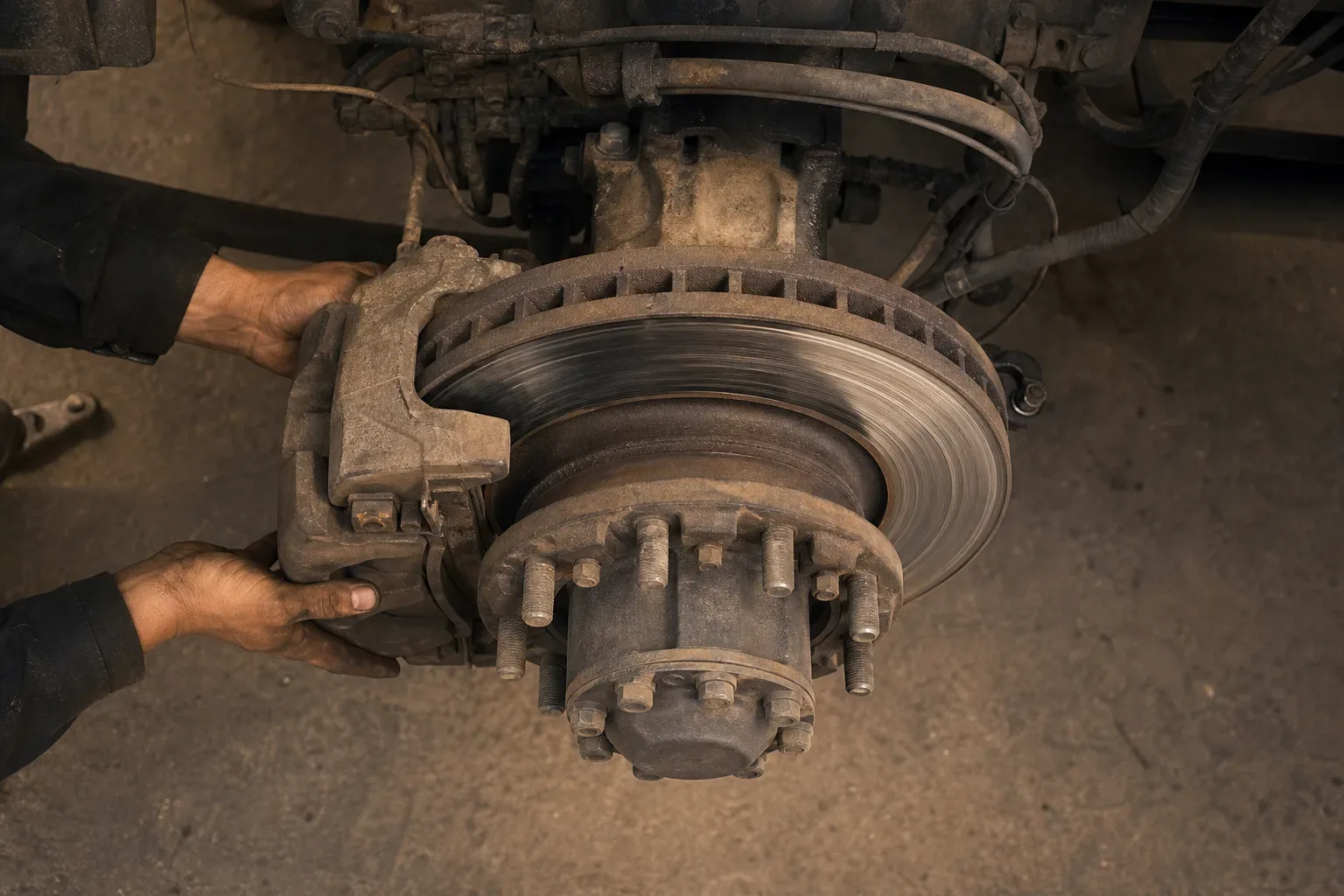
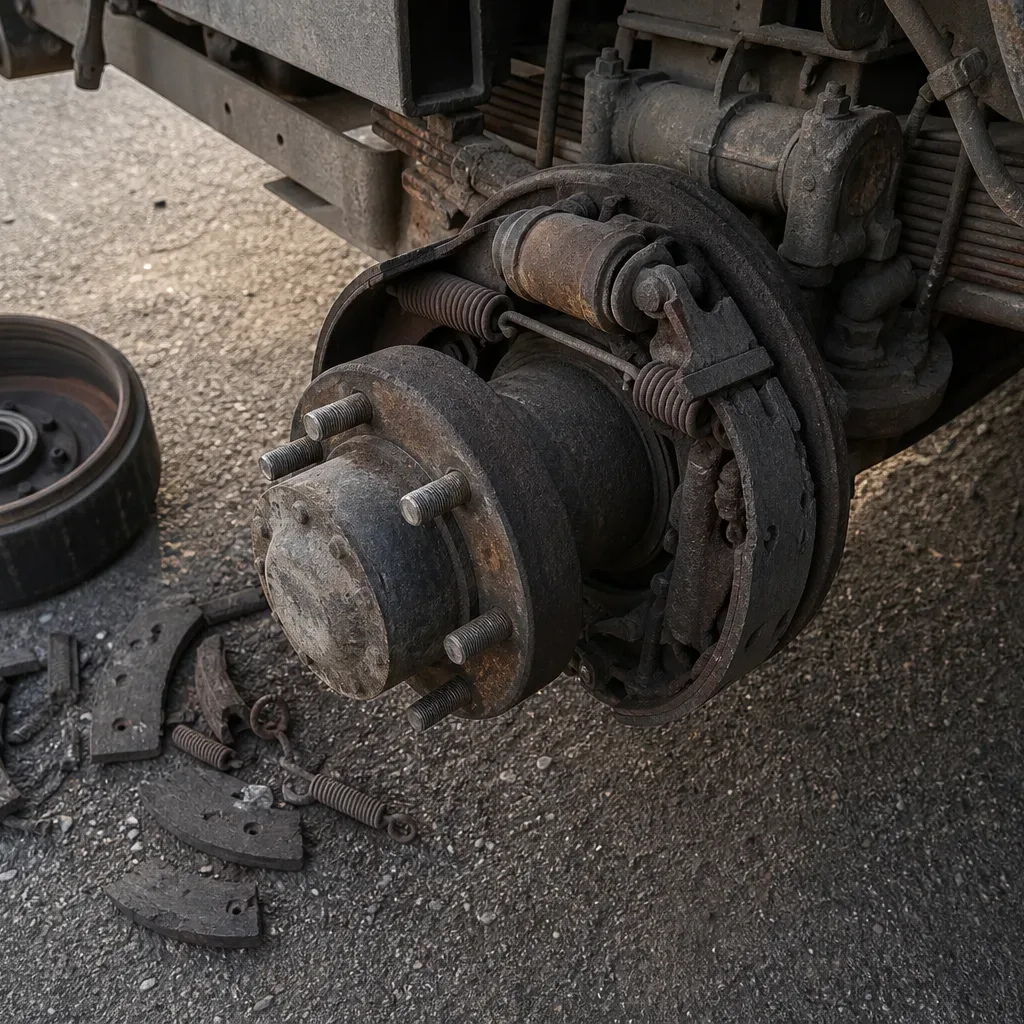
Commercial carriers must conduct pre-trip and post-trip inspections and maintain written records of those inspections for a specified period. Brake systems, tires, lights, and steering components are subject to minimum performance standards set by federal regulation. A brake failure on a steep descent into Denver from the mountains may trace back to skipped inspections or deferred repairs documented in the truck's own maintenance file.
Colorado's mountain grades put unique stress on braking systems, making proper maintenance especially critical on routes like US-6 through Clear Creek Canyon or the I-70 mountain corridor. When an investigation reveals that a carrier ignored a defect noted in a prior inspection report, that documentation becomes powerful evidence. Your attorney can subpoena those records early in the litigation process, often before a carrier has time to reorganize or misplace them.
Cargo Securement and Load Requirements
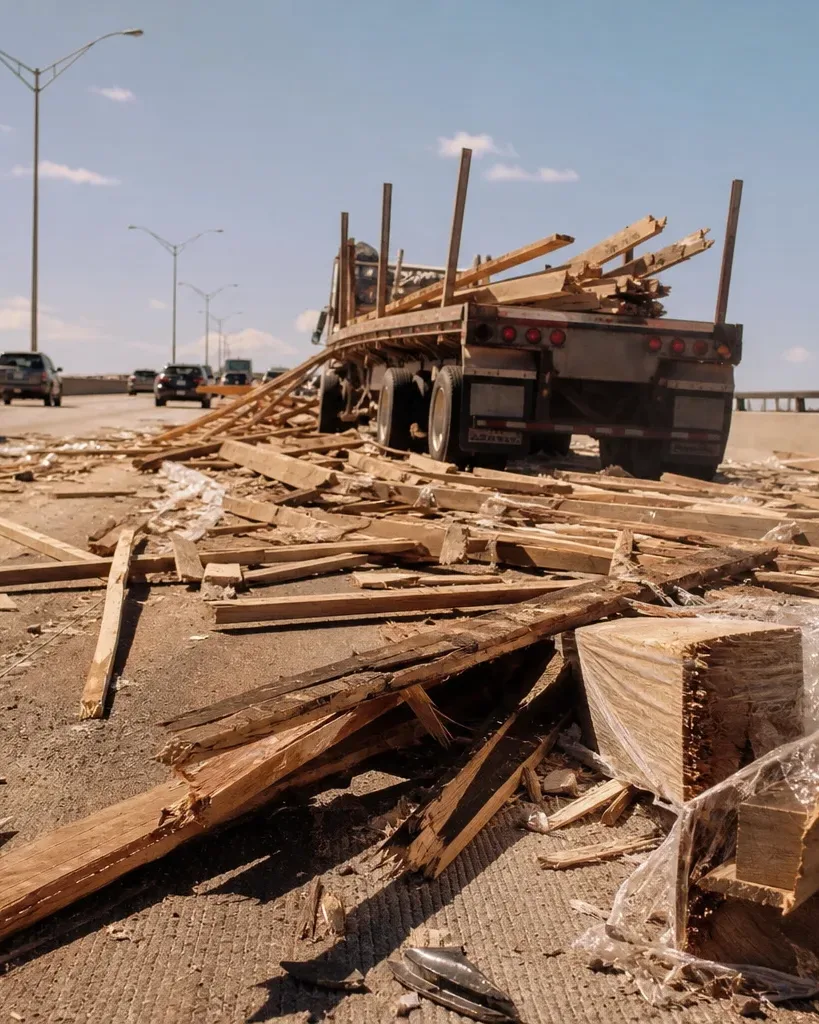
Improperly secured cargo shifts during transit, changes a truck's center of gravity, and can cause rollovers or spilled debris that injures other motorists. FMCSA rules specify minimum tie-down requirements based on cargo weight and type. A flatbed carrying construction materials through the Denver metro area must meet those minimums on every trip.
When loose cargo causes an accident, liability can extend beyond the driver to the loading company or shipper, depending on who secured the load. Multi-party liability is common in Colorado truck accident cases, and identifying every responsible party matters because it affects the total insurance coverage available to compensate an injured victim.

How FMCSA Rules Factor Into a Colorado Accident Claim
FMCSA regulations establish the baseline standard of care in any Colorado truck accident case. Proving that a driver or carrier violated a specific federal rule is strong evidence of negligence under Colorado law. Courts treat regulatory violations as relevant to whether the defendant acted reasonably, and juries generally understand that a company ignoring a written safety rule chose profit over safety.
Colorado operates under a modified comparative negligence system governed by C.R.S. § 13-21-111. A plaintiff who is less than 50 percent at fault can still recover damages, reduced proportionally by their share of fault. Demonstrating that a carrier's FMCSA violation was the primary cause of a crash positions the injured party favorably under that rule.
Drug and Alcohol Testing Requirements
FMCSA mandates pre-employment, random, post-accident, and reasonable-suspicion drug and alcohol testing for commercial drivers. After a serious crash, a carrier is required to test the involved driver within a specific window. If that test was skipped, delayed, or the results were not preserved, that failure itself can be evidence of negligence or spoliation.
A positive post-accident test creates significant exposure for both the driver and the carrier. Carriers are responsible for ensuring that drivers in their pool meet federal substance testing requirements, and failing to remove a driver who tests positive is a separate violation.
Driver Qualification Files
Every carrier must maintain a qualification file for each driver that includes a valid commercial driver's license, medical examiner's certificate, driving history, and prior employment verification. Hiring a driver with a history of serious traffic violations or a lapsed medical certificate violates federal standards and can support a negligent entrustment claim against the carrier.
Colorado courts have allowed plaintiffs to pursue both the driver and the employing company when the company's hiring practices contributed to the crash. Obtaining the qualification file early is often the key step that determines whether a negligent entrustment theory is viable.
Insurance Coverage in Colorado Truck Accident Cases
Commercial truck insurance minimums are set by the FMCSA and depend on what a carrier hauls. Coverage requirements range from $750,000 to $5,000,000 depending on cargo type, with hazardous materials carriers required to carry the highest limits. These amounts are substantially higher than Colorado's minimum auto liability limits, which sit at $25,000 per person and $50,000 per accident for standard passenger vehicles.
That difference in available coverage is one reason serious truck accident settlements in Denver typically fall in the $250,000–$1,000,000-plus range for significant injuries. Truck accident cases often involve multiple insurers: the carrier's liability policy, a separate cargo insurer, and sometimes the shipper's own coverage. Identifying all applicable policies at the outset shapes the entire settlement strategy.
Working with a Denver Truck Accident Lawyer
Most Denver personal injury lawyers handle truck accident cases on contingency, typically 33%–40% of the settlement or verdict, with no fee if there is no recovery. That structure means you can pursue a case without paying legal fees upfront, which matters when you are already managing medical bills and lost income.
Time is a genuine constraint. Colorado's statute of limitations for personal injury claims is 2 years from the date of injury under C.R.S. § 13-80-102. Trucking companies are not required to preserve electronic data and physical evidence indefinitely, so acting quickly on an evidence preservation letter is critical. An attorney familiar with FMCSA trucking regulations Colorado accident claim cases knows which records to demand, from whom, and on what timeline to build the strongest possible case.

Frequently Asked Questions
FMCSA Regulations Truck Accident Colorado
FMCSA regulations establish the federal safety standards that commercial carriers must follow in Colorado, covering hours of service, vehicle maintenance, driver qualifications, and cargo securement. When a carrier violates one of these rules and a crash results, that violation is strong evidence of negligence in a Colorado personal injury claim. Your attorney can subpoena driver logs, inspection records, and qualification files that carriers are required to keep under federal law.
How Long Do I Have to File a Truck Accident Claim in Colorado?
Colorado's statute of limitations for personal injury claims is 2 years from the date of injury under C.R.S. § 13-80-102. Missing that deadline generally bars your claim entirely. Because truck carriers are not required to preserve electronic logging data and maintenance records indefinitely, contacting an attorney quickly after a crash improves your ability to secure critical evidence.
Can I Sue the Trucking Company, Not Just the Driver?
Yes. Colorado courts allow claims against both the driver and the carrier when company policies or hiring practices contributed to the crash. Theories like negligent entrustment, negligent hiring, or direct violations of FMCSA maintenance requirements can all support a claim against the company. In some crashes, the cargo loader or shipper also shares liability, making it important to identify every responsible party early.
What Is the Typical Settlement Range for a Serious Truck Accident in Denver?
Serious truck accident settlements in Denver typically fall in the $250,000 to $1,000,000-plus range, reflecting both the severity of injuries common in commercial vehicle crashes and the higher insurance minimums carriers must carry under FMCSA rules. The actual value depends on medical expenses, lost income, long-term care needs, and the degree of the carrier's fault under Colorado's comparative negligence rules.
How Does Colorado's Comparative Negligence Rule Affect a Truck Accident Case?
Colorado follows a modified comparative negligence standard under C.R.S. § 13-21-111. If you are less than 50 percent at fault for the crash, you can still recover damages, but the amount is reduced by your percentage of fault. Demonstrating that an FMCSA violation by the driver or carrier was the primary cause of the accident helps establish a low fault percentage for the injured party.